Introduction
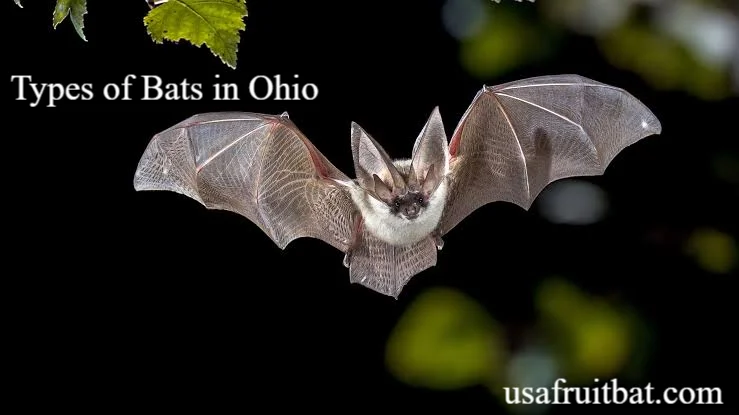
Have you ever sat on your porch at dusk and watched small shadows dart across the sky? Those quick little flyers are probably bats, and Ohio is home to more of them than most people realize. If you want to understand the different types of bats in Ohio, you are in the right place. This guide walks you through every species you might spot in your backyard, a state park, or even your attic.
Ohio hosts around eleven bat species, and each one plays a role in keeping insect populations under control. Some are common and easy to see. Others are rare and struggle to survive due to disease and habitat loss. In this article, we cover the types of bats in Ohio, how to identify them, where they live, and why they deserve your attention. By the end, you will know exactly which bat you saw last night.
Why Learning About Bats in Ohio Matters
Bats are not pests. They are one of nature’s best pest control agents. A single bat can eat thousands of mosquitoes and other insects in one night. Farmers across Ohio rely on bats to protect crops from harmful bugs, saving the agriculture industry millions of dollars every year.
According to the Ohio Department of Natural Resources, bat populations in the state have dropped sharply since white nose syndrome arrived in 2011. This fungal disease has wiped out entire colonies in caves and mines. Understanding the types of bats in Ohio helps you spot healthy populations, report sick bats, and support conservation efforts in your community.
Common Types of Bats in Ohio
Let’s break down the most frequently seen species first. These bats are the ones you are most likely to notice near your home or on an evening walk.
1. Big Brown Bat
The big brown bat is the species most people meet without knowing it. It often roosts in attics, barns, and church steeples across Ohio. This bat has a wingspan of about 13 inches and a rich brown coat.
It eats beetles, moths, and flying ants, making it a favorite among gardeners. Big brown bats are hardy and can survive Ohio winters better than many other species.
2. Little Brown Bat
Once one of the most common types of bats in Ohio, the little brown bat has seen a massive decline due to white nose syndrome. It is small, only about three inches long, with glossy brown fur.
You will usually find it near ponds, lakes, and slow moving rivers where insects gather. Conservationists in Ohio now closely monitor this species since its numbers dropped by more than ninety percent in some caves.
3. Eastern Red Bat
The eastern red bat stands out with its bright orange and rust colored fur. Unlike cave dwelling bats, it roosts in tree foliage, hanging like a dry leaf to stay hidden from predators.
This species migrates seasonally and can often be seen flying earlier in the evening than other bats. Its fur pattern makes it one of the easiest types of bats in Ohio to identify at a glance.
4. Hoary Bat
The hoary bat is the largest bat in Ohio, with a wingspan reaching up to 16 inches. Its fur has a frosted look, which gives the species its name.
Hoary bats prefer forested areas and tend to fly high above the treeline. They are solitary creatures and rarely form large colonies, which makes sightings a treat for wildlife lovers.
5. Silver Haired Bat
This medium sized bat has black fur tipped with silver, giving it a shimmering appearance in moonlight. Silver haired bats favor wooded areas near water sources.
They are slow, steady fliers and often forage close to the ground. Bird watchers and hikers in Ohio’s forests report seeing this species most often in late summer.
Rare and Endangered Types of Bats in Ohio
Not every bat species in Ohio is thriving. Some face serious threats and need protection under state and federal law.
6. Indiana Bat
The Indiana bat is federally listed as endangered. It hibernates in large clusters inside caves during winter and migrates to wooded areas in summer.
Habitat destruction and white nose syndrome have hit this species hard. If you find a cave with hibernating bats in Ohio, experts recommend staying away to avoid disturbing them.
7. Northern Long Eared Bat
This species was recently added to the federal endangered species list. It has long ears, as the name suggests, and prefers to roost under loose tree bark.
Its population has crashed by over ninety eight percent in some regions since white nose syndrome spread through the Midwest.
8. Tricolored Bat
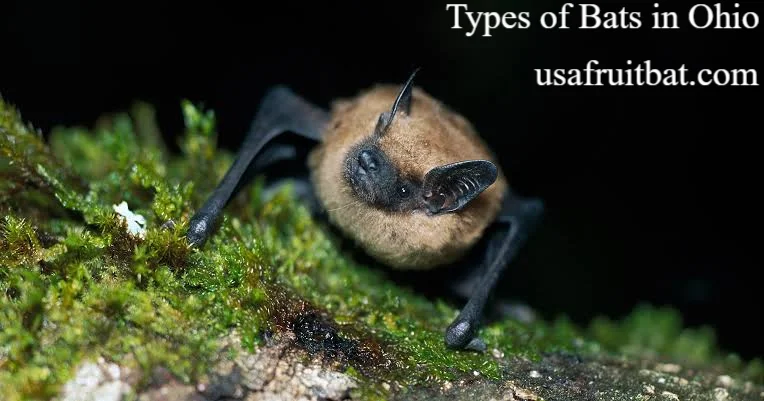
Formerly called the eastern pipistrelle, the tricolored bat is one of the smallest types of bats in Ohio. Its fur shows three distinct color bands, yellow at the base, brown in the middle, and dark at the tip.
This species is now proposed for federal endangered status due to sharp population declines.
9. Small Footed Bat
True to its name, this bat has unusually small feet compared to its body size. It is one of the rarest types of bats in Ohio and prefers rocky cliffs and talus slopes for roosting.
Other Notable Bats You Might Encounter
10. Evening Bat
The evening bat resembles the big brown bat but is noticeably smaller. It roosts in tree cavities and buildings, and it is more common in southern Ohio than in the north.
11. Silver Fox Free Tail Bat and Occasional Visitors
A few migratory species occasionally pass through Ohio during warmer months. While not permanent residents, sightings do get reported to local wildlife groups each year.
Quick Comparison Table
| Bat Species | Size | Roosting Habit | Conservation Status |
|---|---|---|---|
| Big Brown Bat | Medium | Buildings, barns | Stable |
| Little Brown Bat | Small | Caves, mines | Declining sharply |
| Eastern Red Bat | Small | Tree foliage | Stable |
| Hoary Bat | Large | Forest canopy | Stable |
| Silver Haired Bat | Medium | Wooded areas | Stable |
| Indiana Bat | Small | Caves, forests | Endangered |
| Northern Long Eared Bat | Small | Tree bark | Endangered |
| Tricolored Bat | Very small | Caves, foliage | Proposed endangered |
| Small Footed Bat | Very small | Rocky cliffs | Rare |
| Evening Bat | Small | Tree cavities, buildings | Locally common |
How to Identify Bats in Your Area
Identifying the types of bats in Ohio does not require an expert eye. Here are a few simple tips I always share with friends who ask about the bats near their homes.
- Watch the flight pattern. Fast, darting flight often means a big brown bat, while slow, low flight suggests a silver haired bat.
- Check the roosting spot. Tree foliage points to an eastern red bat, while buildings usually house big brown or little brown bats.
- Note the color. Frosted fur means hoary bat, while orange fur means eastern red bat.
- Listen for echolocation clicks, though these are usually too high pitched for human ears.
- Use a bat detector app if you want a more precise reading of species based on sound frequency.
What Experts Say
Wildlife biologists at Ohio State University continue to track bat populations through acoustic monitoring and cave surveys. Their research shows that protecting summer roosting habitat is just as important as protecting winter hibernation sites. This dual approach gives struggling species like the Indiana bat and the tricolored bat a better chance at recovery.
Local wildlife rehabilitation centers also stress that homeowners should never handle bats directly. If a bat gets into your living space, open a window or door and let it find its own way out.
Conclusion
Ohio is home to a surprising variety of bats, from the common big brown bat to the endangered Indiana bat. Learning about the different types of bats in Ohio helps you appreciate these quiet nighttime helpers and understand why so many of them need our support. Next time you see a small shape flitting across the evening sky, you will know exactly what you are looking at.
Have you spotted any of these bats near your home? Share your sighting with a local wildlife group or drop a comment below. Every report helps researchers track how these amazing creatures are doing across the state.
Frequently Asked Questions
How many types of bats live in Ohio? Ohio is home to around eleven bat species, ranging from the common big brown bat to the rare Indiana bat.
What is the most common bat in Ohio? The big brown bat is the most frequently seen species, often roosting in attics and barns near people.
Are bats in Ohio dangerous? Most bats avoid humans and only bite if handled or threatened. Always avoid direct contact and contact animal control if you find a bat behaving oddly.
Which Ohio bats are endangered? The Indiana bat and the Northern long eared bat are both listed as federally endangered species in Ohio.
Do bats in Ohio migrate? Some species, like the hoary bat and eastern red bat, migrate seasonally, while others, like the little brown bat, hibernate locally in caves.
What time of year are bats most active in Ohio? Bats are most active from late spring through early fall, with activity peaking during warm summer evenings.
How can I attract bats to my yard? Installing a bat house, reducing pesticide use, and planting native flowers that attract insects can encourage bats to roost nearby.
What should I do if I find a bat in my house? Stay calm, open a window or door, turn off the lights, and let the bat exit on its own without touching it.
Also Read
- Adorable Cute Types of Bats You Will Instantly Love
- Baby Pallid Bat: Amazing Facts You Never Knew
- Megabat Size: The Astonishing Truth Behind These Giant Flying Foxes in 2026
About the Author: Hamid Ali is a wildlife content writer who enjoys researching native species and sharing practical, easy to understand guides for nature lovers. He focuses on conservation topics and helps readers connect with the wildlife living right in their own backyards.
Author Name: Hamid Ali
Email: johanharwen314@gmail.com