Introduction
Healthy houseplants need more than occasional watering. They thrive when their roots receive the right nutrients, their leaves get suitable light, and their soil supports steady growth. We The Wild plant care offers a range of products designed to support these needs through plant food, soil treatments, and leaf care solutions. Understanding how these products work can help you build a practical routine without making plant care unnecessarily complicated.
Whether you are caring for a collection of tropical plants or trying to revive a struggling pothos, choosing suitable products starts with understanding your plants. This guide explores the brand’s main product categories, their potential benefits, how to use them responsibly, and the everyday habits that help houseplants flourish. It also explains the difference between commercial plant care and wild plant identification so you can find useful information for your particular gardening goals.
What Is We The Wild Plant Care?
We The Wild is a plant care brand that focuses on products designed for indoor plants, including plant food, soil-support formulas, and leaf sprays. Its approach emphasizes natural ingredients and soil biology, with products intended to support the conditions plants need for healthy growth. The range includes options for routine feeding and targeted problems, allowing plant owners to choose products according to their plants’ needs.
The brand’s product range may appeal to beginners who want a straightforward routine as well as experienced plant enthusiasts looking to explore different plant nutrition options. However, no single product replaces suitable lighting, correct watering, good drainage, or appropriate temperatures. We The Wild plant care works best when you treat products as one part of a complete growing strategy rather than as a guaranteed solution to every plant problem.
sourecs: rootwisse.com
Understanding We The Wild Plant Food
Plant food supplies nutrients that houseplants need to produce leaves, develop roots, and maintain healthy growth. We The Wild offers Grow Concentrate, a liquid plant food associated with the brand’s focus on worm-derived ingredients and beneficial soil microorganisms. Such formulations are designed to support nutrient availability and root-zone activity, although the actual results depend on the formula, application rate, plant species, and growing environment.
Before adding any fertilizer, check the plant’s condition and growing season. A plant receiving adequate light and water may benefit from appropriate feeding during active growth, while a stressed plant may need its underlying problem addressed first. Always follow the product label, avoid excessive applications, and remember that fertilizer cannot compensate for poor drainage, insufficient light, or damaged roots.
How to Use We The Wild Plant Care Products
Start by identifying what your plant actually needs. If it is growing slowly, check light exposure, watering habits, root condition, and the growing medium before assuming it lacks nutrients. If the plant appears healthy, introduce new products gradually and follow the instructions provided by the manufacturer. This approach makes it easier to monitor changes and avoid applying several treatments unnecessarily.
Different product types serve different purposes, so read their labels carefully. A liquid concentrate may require dilution, a soil amendment may need to be mixed into the growing medium, and a leaf spray may have specific application instructions. Keep a simple record of when you use each product, and watch for leaf discoloration, unusual growth, or other signs of stress after introducing something new.
Benefits of We The Wild Plant Care for Houseplants
Appropriate plant nutrition can support leaf development, root growth, and overall plant vigor. Products formulated with organic matter or worm-derived ingredients may also contribute to the growing medium’s biological activity, depending on their composition. When used correctly alongside good growing conditions, these products can become part of a consistent maintenance routine that helps plant owners care for their collections with greater confidence.
However, results are not identical for every plant. A pothos growing in bright, indirect light may respond differently from a succulent in a sunny window because their watering and nutritional needs differ. Some plants grow slowly by nature, while others experience seasonal dormancy. Observe new leaves, root condition, and overall appearance instead of judging success by rapid growth alone. Healthy plant care depends on matching treatment to the species and its environment.
How to Choose the Right We The Wild Products
Choosing the right product becomes easier when you focus on the problem you want to address. Plant food is intended to provide nutrients, soil-support products are designed for the growing medium, and leaf sprays serve different purposes depending on their formulation. Comparing these categories helps you avoid buying products that duplicate one another or do not address the actual cause of a plant’s poor condition.
| Product category | Main purpose | What to check |
|---|---|---|
| Grow Concentrate | Plant nutrition and growth support | Dilution instructions and feeding frequency |
| Enrich or soil-support powder | Supports the growing medium | Application method and plant compatibility |
| Protect leaf spray | Leaf cleaning or other label-specific care | Ingredients, pest claims, and spray directions |
| Anti-Gnat Concentrate | Targeted fungus gnat management | Directions, life-cycle coverage, and safety precautions |
Product names and formulations can change, so check the current packaging and official product information before purchasing. Consider your plant collection, available space, budget, and care habits. A small collection of low-maintenance plants may need only a basic feeding routine, while a larger indoor garden might benefit from several specialized products when there is a clear reason to use them.
Creating an Easy Plant Care Routine
A reliable routine is often more useful than a cupboard full of treatments. Check soil moisture before watering, make sure excess water can drain away, and observe whether plants receive appropriate light. Inspect leaves for dust, discoloration, or pests, and examine visible roots when repotting. These small habits help you recognize developing problems early and decide whether a product is necessary.
You can organize routine tasks into a simple schedule:
- Weekly: Check soil moisture, inspect leaves, and look for pests.
- Monthly: Review plant growth and assess whether feeding is appropriate.
- Seasonally: Adjust watering and feeding as light levels and growth patterns change.
- When needed: Repot overcrowded plants or investigate persistent symptoms.
The exact timing depends on plant species, pot size, temperature, humidity, and season. Avoid watering or feeding automatically when the plant does not need it. A flexible routine that responds to actual growing conditions is more effective than following a rigid calendar for every plant in your home.
What Is a Wild Plant?
A wild plant grows in a natural or unmanaged environment rather than being deliberately cultivated and maintained in a garden or pot. Examples include dandelions growing in lawns, stinging nettles along paths, and wildflowers appearing in meadows. These plants have adapted to particular habitats, soil conditions, and climates, although some species also grow successfully in cultivated settings.
Wild plants differ from houseplants in their growing environments and management needs. Indoor plants depend on people for suitable containers, watering, and often supplementary nutrition, while wild plants generally obtain resources from their surroundings. Learning about wild plants can help gardeners appreciate biodiversity, recognize native species, and make informed landscaping choices. However, identifying a plant correctly is essential before touching, removing, or consuming an unfamiliar species.
Common Wild Plants and How to Identify Them
Wild plants can often be distinguished by examining several features together rather than relying on flower color alone. Look at leaf arrangement, stem shape, flower structure, growing height, and habitat. A tall plant with yellow flowers, for example, could belong to several different species. Similarly, a wild plant with purple flowers or white flowers may resemble other plants despite having different characteristics.
Stinging nettle is a familiar example of a wild plant that requires careful handling because its leaves and stems have tiny stinging hairs. Dandelions are recognizable by their bright yellow flower heads and distinctive leaves, but identification should still consider the plant’s overall features. Photographs, regional field guides, and reliable botanical resources can help narrow down possibilities. Never assume a plant is safe to eat or handle simply because it resembles a familiar species.
Wild Plant Identification Apps and Tools
A wild plant identifier app can help users investigate unfamiliar plants by analyzing photographs and suggesting possible matches. Many tools use visible features such as leaves, flowers, and growth patterns to generate results. These apps can be especially useful during walks, gardening projects, or nature studies, but their suggestions should be treated as starting points rather than definitive botanical confirmation.
When choosing an identification app, consider its coverage of local species, quality of reference images, explanation of identifying features, and access to expert-reviewed information. Take clear photographs of several plant parts when possible, including leaves, flowers, stems, and the whole plant. Compare the results with trusted botanical references, especially when dealing with potentially toxic species. Never rely on an app alone to determine whether an unfamiliar plant is edible or medicinal.
Edible Wild Plants and Dandelion Greens
Dandelion greens are commonly eaten in some cuisines and can be used in salads or cooked dishes. Their slightly bitter flavor makes them a distinctive ingredient, but safe use starts with accurate identification. Plants growing in untreated gardens may still be exposed to animal waste, roadside pollutants, herbicides, or other contaminants, so location and harvesting conditions matter as much as the plant’s identity.
Other wild plants are used as food in particular regions, but edibility varies by species and preparation method. Some plants have toxic lookalikes, while certain parts may be unsafe even when other parts are edible. If you plan to forage, consult reliable regional guides or a qualified expert and follow local rules. Avoid consuming any plant unless its identity and safe preparation are well established.
Wild Plant Seeds, Shops, and Plant Culture
Wild plant seeds are used for growing native flowers, creating pollinator-friendly spaces, and restoring suitable habitats. Before buying seeds, research which species naturally occur in your region and whether they suit your soil, rainfall, and sunlight conditions. Native plants can provide valuable resources for local wildlife, but unsuitable or invasive species may create ecological problems if introduced outside their natural range.
A reputable wild plant shop should provide clear species names, growing instructions, and information about seed sourcing. Check whether the seller identifies native varieties accurately and complies with applicable collection or import regulations. Wild plant culture also includes traditions of gardening, conservation, botanical education, and appreciation of native landscapes. These interests are related to houseplant care, but they involve different priorities from selecting commercial fertilizers for indoor plants.
Understanding Searches for Wild Plant Tuna and Sardines
Search phrases such as “wild plant tuna” and “wild plant sardines” do not describe recognized botanical categories. Tuna and sardines are fish, so these terms may come from mixed search intent, a product name, or a combination of unrelated words. It is important not to treat them as plant species or assume that they relate to houseplant nutrition without additional context.
If you encounter these phrases while researching gardening topics, examine the original page or product listing to understand what the wording means. A search result alone may not explain the intended subject. Keeping these terms separate from plant identification and plant care guidance makes your research more accurate and helps you find relevant information without confusing food products, wildlife, and botanical subjects.
Cannabis Ruderalis as a Wild Cannabis Plant
Cannabis ruderalis is a term used for a type of cannabis associated with wild or feral populations in some regions. It is discussed in botanical and horticultural contexts because of characteristics that distinguish it from other cannabis types. However, its identification requires more than simply noticing a plant growing outdoors, since visual similarities can occur among related plants.
Anyone researching this plant should consult reliable botanical sources and remain aware that cannabis laws vary by jurisdiction. The term “wild” does not necessarily mean a plant is native to the area where it appears, nor does it establish its identity. This topic is separate from routine indoor plant care, and it should not be confused with the use of ordinary houseplant fertilizers or soil amendments.
Common Plant Care Mistakes to Avoid
Even the best products cannot solve every plant problem. Overwatering, inadequate light, compacted soil, and poor drainage are frequent causes of unhealthy houseplants. Adding fertilizer when roots are already damaged may make the situation worse. Before introducing another treatment, inspect the plant and its growing conditions. Identifying the underlying issue first helps you avoid unnecessary spending and gives your plant a better chance to recover.
When using We The Wild plant care products, follow the manufacturer’s directions and avoid combining treatments without checking their compatibility. Keep these common mistakes in mind:
- Overfeeding plants or using concentrated products incorrectly.
- Watering on a fixed schedule without checking soil moisture.
- Ignoring pests, root damage, or environmental stress.
- Expecting leaf sprays to correct nutrient deficiencies.
- Applying treatments without checking plant compatibility.
- Changing several care practices at once, making results difficult to assess.
Is We The Wild Plant Care Worth Considering?
We The Wild plant care may be worth considering if you want purpose-specific products for feeding houseplants, supporting soil health, or addressing certain maintenance problems. The range offers different product categories, allowing you to select an option based on your needs. However, value depends on the ingredients, price, application frequency, and suitability for the plants you actually grow. Compare the product label with your existing routine before making a purchase.
It is also sensible to read independent reviews alongside the manufacturer’s product information. Customer experiences can provide useful insights into ease of use and perceived results, but individual outcomes vary with growing conditions. Look for specific feedback rather than relying only on broad claims or promotional photographs. For some plant owners, a simple fertilizer and good watering habits may be sufficient; others may prefer a more specialized approach to caring for a larger collection.
Conclusion
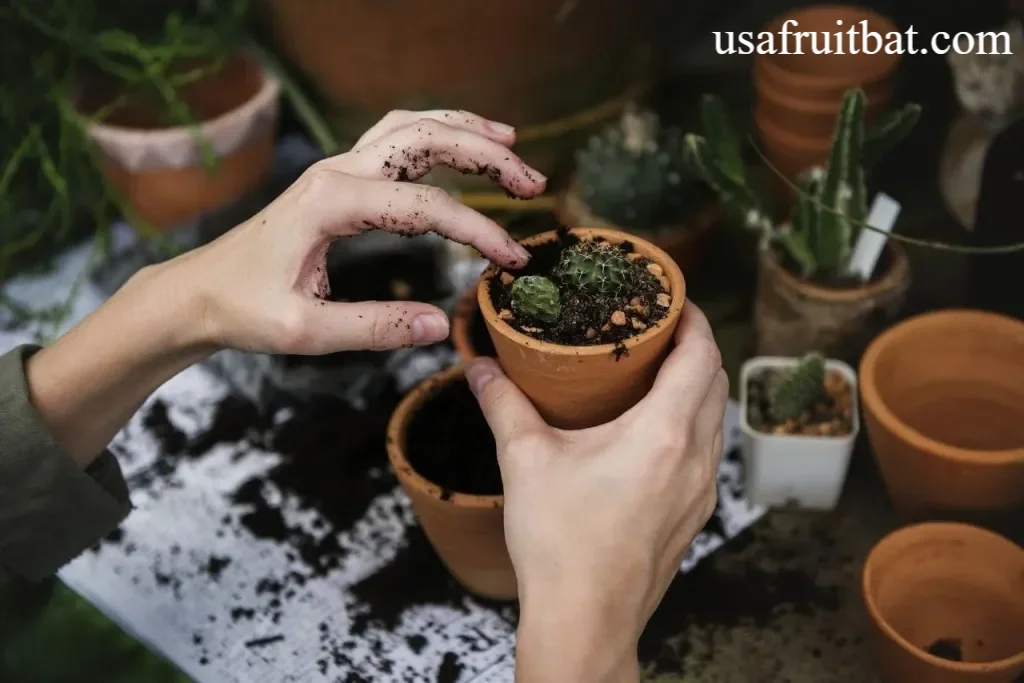
Successful houseplant care begins with understanding what your plants need. We The Wild plant care products offer options for nutrition, soil support, and leaf maintenance, but their usefulness depends on choosing the right formula and following its directions. Consistent watering, suitable light, healthy roots, and good drainage remain essential foundations for strong growth.
Whether you are maintaining indoor greenery, exploring wild plant identification, or growing native flowers from seed, informed decisions make a difference. Observe your plants, research unfamiliar species carefully, and avoid unnecessary treatments. With a practical routine and realistic expectations, you can create healthier growing conditions and enjoy your plants with greater confidence.
Frequently Asked Questions
What is We The Wild plant care?
We The Wild is a plant care brand offering products such as plant food, soil-support formulas, and leaf sprays for houseplants.
What does We The Wild Grow Concentrate do?
Grow Concentrate is a liquid plant food designed to support plant nutrition and growth when used according to its label.
How often should you use We The Wild products?
Follow the directions for each product because application frequency depends on its formulation, your plant species, and growing conditions.
Is We The Wild plant care suitable for beginners?
Yes, beginners can explore the range, provided they choose appropriate products and follow the instructions carefully.
Can plant food help houseplants grow healthier leaves?
Suitable plant nutrition can support healthy foliage, but proper light, watering, drainage, and root health are equally important.
What is the difference between a wild plant and a houseplant?
Wild plants grow in natural or unmanaged environments, while houseplants are cultivated indoors and usually require regular human care.
What is the best wild plant identification app?
The best option is one with reliable regional coverage, clear identification features, and results that can be checked against trusted botanical references.
Are dandelion greens an edible wild plant?
Yes, dandelion greens are commonly eaten, but you should confirm identification and ensure the plants have been harvested from a safe, uncontaminated location.
Also Read