Introduction
Have you ever wondered what a baby pallid bat actually looks like the moment it is born? Most people picture bats as scary creatures, but a baby pallid bat is tiny, helpless and surprisingly gentle. It cannot see, cannot fly and depends completely on its mother for weeks. In this article, you will learn everything about the baby pallid bat, from its birth weight to how it learns to fly and hunt scorpions on its own.
This guide covers the full life journey of a baby pallid bat. You will find direct answers, quick lists, comparison tables and a FAQ section so you can skim through and get exactly what you need. Whether you are a student, a nature lover or just someone who found a bat pup in the backyard, this article gives you clear and accurate information.
What Is a Baby Pallid Bat?
A baby pallid bat is called a pup, just like most other baby bats. The pallid bat itself, known scientifically as Antrozous pallidus, is a pale, large eared bat found across the western United States, parts of Canada and central Mexico. It is famous for eating scorpions and being immune to their sting.
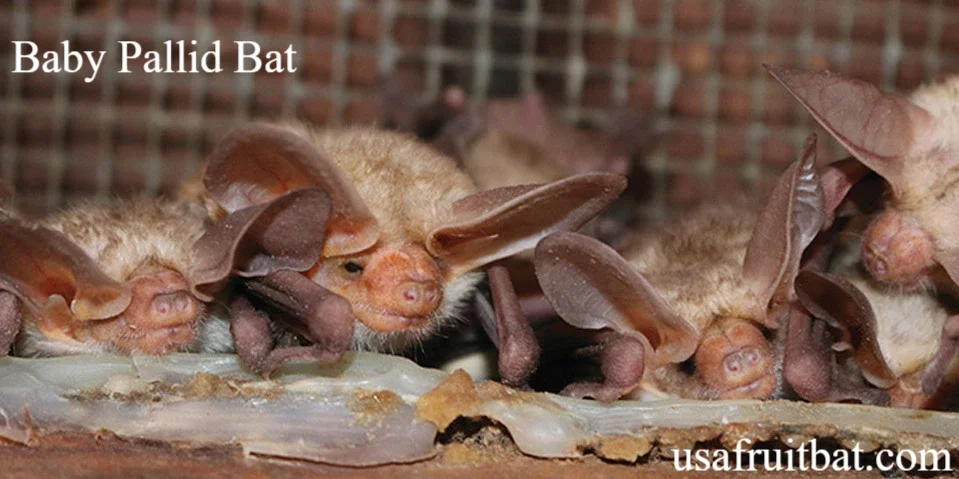
A baby pallid bat is born blind, nearly hairless and completely dependent on its mother. It stays close to her for the first weeks of life before slowly gaining independence.
How Much Does a Baby Pallid Bat Weigh at Birth?
A baby pallid bat weighs around three to six grams at birth. That is roughly the weight of a single sugar cube. Different research sources give slightly different numbers, but most agree the newborn weighs between three and six grams depending on the mother’s health and the number of pups in the litter.
Here is a quick breakdown of birth statistics for a baby pallid bat.
| Detail | Information |
|---|---|
| Average birth weight | 3 to 6 grams |
| Number of pups per birth | Usually 2, sometimes 1 |
| Eyes open | Around day 5 |
| First flight attempt | 4 to 5 weeks |
| Weaning age | 6 to 8 weeks |
| Sexual maturity | Around 1 year |
When Are Baby Pallid Bats Born?
Most baby pallid bats are born between May and June. The mother mates in autumn or winter, but she delays fertilization until spring through a process called delayed implantation. This means the pup arrives at the best time of year, when insects and scorpions are plentiful for the mother to eat while nursing.
The gestation period lasts about 53 to 71 days once fertilization actually begins.
What Does a Newborn Pallid Bat Look Like?
A baby pallid bat is born with its eyes shut, its ears folded and almost no fur on its body. Its skin looks pink and thin because it has not developed proper insulation yet. I find it fascinating that such a fragile creature grows into a strong flying hunter within just a few weeks.
Key physical features of a newborn baby pallid bat include:
- Closed eyes that open around day five
- Folded, undeveloped ears
- Little to no visible fur
- Small, sharp deciduous teeth that curve backward to grip the mother’s nipple during flight
- Oversized feet and claws compared to body size, which help it cling tightly to the roost
How Does the Mother Care for a Baby Pallid Bat?
A mother pallid bat is a dedicated caregiver. For the first few days, she actually carries her baby pallid bat with her during short foraging flights. Once the pup grows too heavy, she leaves it safely in the roost with other pups while she hunts for scorpions, crickets and beetles.
Mothers often form maternity colonies, gathering together in caves, rock crevices or old buildings to raise their young collectively. This group setup helps keep the pups warm and safe from predators while the mothers take turns feeding.
How Long Does a Baby Pallid Bat Nurse?
A baby pallid bat nurses for about two to three months. During this stage, it drinks only its mother’s milk and grows rapidly. Weaning usually happens by six to eight weeks, right around the time the pup starts hunting small insects on its own.
When Does a Baby Pallid Bat Learn to Fly?
A baby pallid bat takes its first flight attempt at four to five weeks old. Before this, its wings are too weak and its body too small to support flight. Once it starts flying, it practices short trips near the roost before joining its mother on longer hunting flights.
Here is a simple timeline of major milestones for a baby pallid bat.
- Day 1: Born blind, weighing 3 to 6 grams
- Day 5: Eyes open
- Week 4 to 5: First flight attempts begin
- Week 6 to 8: Fully weaned from mother’s milk
- Month 12: Reaches sexual maturity and can breed
What Does a Baby Pallid Bat Eat as It Grows?
Once weaned, a young pallid bat starts hunting the same prey as adults. Pallid bats are ground foragers, which is unusual among bats. Instead of catching insects in the air, they swoop down and grab prey directly off the ground.
Common food sources for a growing pallid bat include:
- Scorpions, including the highly venomous Arizona bark scorpion
- Crickets and grasshoppers
- Ground beetles
- Centipedes
- Praying mantises
- Cicadas
An adult pallid bat can eat up to half its body weight in insects every single night. This appetite starts developing gradually as the young bat transitions from milk to solid prey.
Why Are Pallid Bats Immune to Scorpion Stings?
This is one of the most common questions people ask about pallid bats. Researchers have found that pallid bats have a natural resistance to the venom of bark scorpions. Their bodies can tolerate stings that would be extremely painful or dangerous to other animals. This adaptation lets them hunt one of the most dangerous scorpion species in North America without much risk.
According to wildlife biologists studying desert ecosystems, this venom resistance is a key reason pallid bats can dominate a food source that most predators avoid.
Common Threats to a Baby Pallid Bat
Life is not easy for a young pallid bat. Because these bats forage close to the ground, both the pups and adults face more predator risk than tree dwelling or aerial hunting bat species.
Natural predators and threats include:
- Snakes
- Owls
- Raccoons and foxes
- Coyotes
- Habitat loss from human development
- Pesticide use, which reduces insect prey availability
What Should You Do If You Find a Baby Pallid Bat?
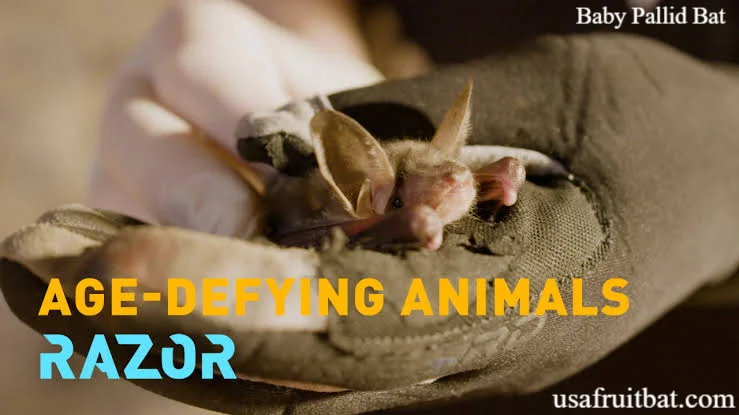
If you ever come across a baby pallid bat that seems abandoned, do not try to handle or feed it yourself. Bats can carry rabies, and pups have very specific nutritional needs that are hard to replicate at home.
Follow these steps instead:
- Avoid direct contact with bare hands
- Keep pets and children away from the area
- Place a soft cloth over the pup using gloves if you must move it to safety
- Contact a licensed wildlife rehabilitator immediately
- Do not attempt to feed it milk or water yourself
Local wildlife rehabilitation centers are trained to care for a baby pallid bat properly and can reunite it with its colony when possible.
Baby Pallid Bat vs Other Baby Bat Species
You might wonder how a baby pallid bat compares to other bat pups across North America. Here is a simple comparison.
| Species | Birth Weight | First Flight | Diet Focus |
|---|---|---|---|
| Baby pallid bat | 3 to 6 grams | 4 to 5 weeks | Ground insects, scorpions |
| Baby little brown bat | 1 to 2 grams | 3 to 4 weeks | Flying insects |
| Baby big brown bat | 3 grams | 3 to 5 weeks | Beetles, moths |
| Baby hoary bat | Higher, often twins | 4 weeks | Moths, flying insects |
This table shows that a baby pallid bat is fairly typical in size compared to other North American bat pups, but its ground hunting habit sets it apart once it matures.
Why Baby Pallid Bats Matter for the Ecosystem
A baby pallid bat grows up to become a natural pest controller. By eating scorpions, crickets and beetles, adult pallid bats help keep insect and arachnid populations balanced in desert and dry grassland habitats. This is one reason conservation groups encourage people to protect natural roosting sites like caves, cliffs and old barns instead of disturbing them.
The pallid bat is currently listed as a species of Least Concern, meaning its population is stable. Still, habitat destruction and pesticide overuse remain long term risks that could affect future generations of baby pallid bats.
Conclusion
A baby pallid bat begins life blind, hairless and completely dependent on its mother, yet within just a few short weeks it transforms into a skilled hunter capable of catching venomous scorpions on the ground. From its tiny three to six gram birth weight to its first flight at four to five weeks, the journey of a baby pallid bat is a remarkable example of nature’s efficiency. Understanding these creatures helps us appreciate why protecting their habitats matters so much.
Did this article answer everything you wanted to know about the baby pallid bat? Share it with a friend who loves wildlife, or leave a comment with your own bat encounter story.
FAQs About Baby Pallid Bat
How much does a baby pallid bat weigh at birth? A baby pallid bat weighs about three to six grams at birth, similar to the weight of a sugar cube.
How many pups does a mother pallid bat usually have? A mother pallid bat usually gives birth to two pups, though about twenty percent of births result in a single pup.
When do baby pallid bats open their eyes? A baby pallid bat opens its eyes around five days after birth.
When can a baby pallid bat fly for the first time? A baby pallid bat attempts its first flight around four to five weeks after birth.
What do baby pallid bats eat after weaning? After weaning, a young pallid bat eats ground insects such as crickets, beetles and scorpions, just like adult pallid bats.
Are baby pallid bats dangerous to humans? No, a baby pallid bat is not aggressive toward humans, but it should never be handled directly due to rabies risk.
How long does a mother pallid bat nurse her pup? A mother pallid bat nurses her pup for about two to three months before full weaning.
What should I do if I find an injured baby pallid bat? Contact a licensed wildlife rehabilitator right away and avoid touching the pup with bare hands.
Why are pallid bats able to eat scorpions safely? Pallid bats have a natural resistance to bark scorpion venom, which allows them to hunt scorpions without serious harm.
Is the pallid bat an endangered species? No, the pallid bat is currently listed as Least Concern, meaning its population is stable across its range.
Author Name: Hamid Ali
Email: johanharwen314@gmail.com
About the Author:Hamid Ali is a wildlife content writer who enjoys researching and sharing interesting animal facts in a simple, easy to understand way. He focuses on making nature topics accessible for readers of all ages and backgrounds.
Also Read