
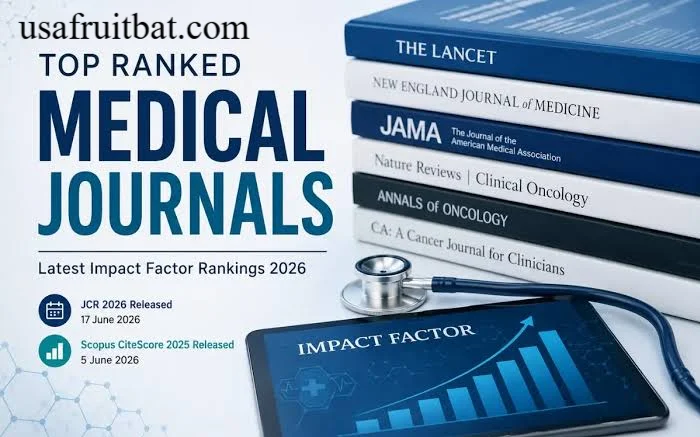
When searching for academic research, you may come across the term ScienceDirect impact factor and wonder whether it measures the quality of a journal or the reliability of an article. Understanding this distinction is important for students, researchers, professors, and authors who want to use credible academic sources or publish their work in reputable journals.
ScienceDirect is a platform that provides access to scientific and scholarly literature, while the Journal Impact Factor is a separate metric used to measure citation activity at the journal level. Knowing how these systems work can help you find accurate journal information, compare publication metrics, and make better decisions about your research.
This guide explains what ScienceDirect offers, how journal impact factors work, where to verify rankings, and which other indicators can help you evaluate scholarly publications.
What Is ScienceDirect?
ScienceDirect is an online research platform operated by Elsevier, a major academic publisher. It provides access to scientific, technical, medical, and other scholarly content, including journal articles, review papers, and book chapters. Researchers use the platform to explore published studies, understand existing evidence, and discover new developments across different academic disciplines.
The platform includes content covering life sciences, medicine, engineering, environmental science, chemistry, physics, and social sciences. Some articles are freely available, while others require a subscription, institutional login, or individual purchase. ScienceDirect helps readers locate academic literature, but the quality and publication metrics of each journal must be assessed separately.
sourecs: sciencedirect.com
What Is the ScienceDirect Impact Factor?
The term ScienceDirect impact factor generally refers to searches by people who want to discover the impact factor of a journal available on the platform. However, ScienceDirect itself does not have one official Journal Impact Factor because it is a content platform rather than a single academic journal.
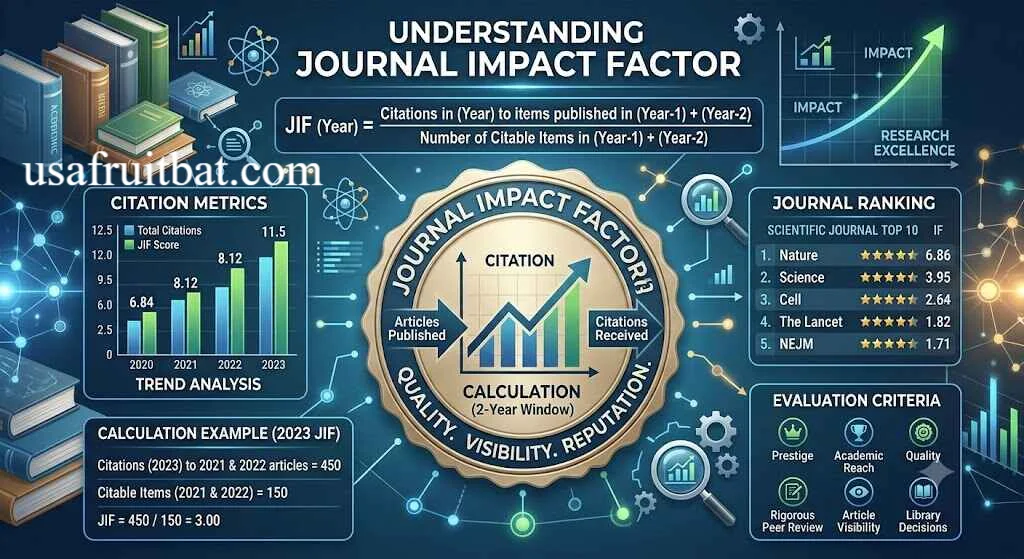
A Journal Impact Factor measures how frequently a journal’s recent scholarly content is cited during a particular period. The official Journal Impact Factor is published through Clarivate’s Journal Citation Reports. Researchers can use this metric to understand a journal’s citation influence within its field, although it does not independently establish the accuracy or scientific value of every article published in that journal.
How to Check ScienceDirect Journal Rankings
Finding a journal’s impact factor is straightforward when you know where to look. Elsevier’s official support guidance explains that journal homepages can display the Impact Factor and CiteScore when these metrics are available. You can begin by searching for the journal title on ScienceDirect, opening its dedicated homepage, and checking the journal information section for the available indicators.
- Open ScienceDirect and search for the journal by its full title.
- Open the journal’s homepage and review its publication information.
- Look for the displayed Impact Factor and CiteScore, if available.
- Check the metric’s year and reporting source.
- Verify the official Journal Impact Factor through Clarivate’s Journal Citation Reports when you need an authoritative record.
If the journal does not display an impact factor, do not assume it is unreliable. Some journals do not have one, and newer publications may not yet have the citation history required for the metric. Verify the journal’s indexing, editorial standards, publication history, and other available indicators before drawing conclusions.
Is ScienceDirect Peer Reviewed?
ScienceDirect provides access to a large collection of scholarly literature, including peer-reviewed journal articles. However, it is important to distinguish between the platform and the individual publications available through it. Peer review is a process in which subject experts evaluate submitted research before publication, helping editors assess its originality, methodology, significance, and suitability for a journal.
To determine whether a particular article has undergone peer review, examine its journal’s editorial policies and the article’s publication type. Original research and review articles in scholarly journals often undergo formal review, but books, reference materials, editorials, and other content may follow different editorial procedures. A reputable platform is a useful starting point, but readers should still evaluate each source carefully.
ScienceDirect Article Classification Types
ScienceDirect contains different types of academic content, each serving a particular purpose. Original research articles report new findings, experiments, or analyses, while review articles synthesize existing studies to explain what researchers currently know about a subject. Systematic reviews use structured methods to identify and assess relevant research, making them especially useful for evidence-based investigations and literature reviews.
Other publication types include case studies, short communications, book chapters, and reference entries. When exploring an article, check its title, abstract, methods, publication details, and stated content type. Selecting the appropriate type can save time and improve your research process because a primary study, a broad review, and a textbook chapter offer different kinds of evidence.
ScienceDirect Topics and Research Categories
ScienceDirect organizes research across a broad range of disciplines, helping readers explore unfamiliar concepts and discover relevant publications. Its subject coverage includes life sciences, medicine, chemistry, physics, engineering, environmental science, mathematics, and social sciences. ScienceDirect Topics also provides explanations of selected concepts and links to related reading, helping readers build background knowledge before exploring more detailed research.
To improve your search results, combine precise keywords with filters for publication date, article type, and subject area. For example, a researcher studying renewable energy could search for a specific technology alongside terms such as efficiency, environmental impact, or long-term performance. Reviewing abstracts before opening full articles helps you identify the most relevant sources and avoid spending time on research that does not address your question.
ScienceDirect Books and Reference Collections
ScienceDirect is not limited to journal articles. It also offers academic books, textbooks, handbooks, book series, and major reference works across multiple subject areas. These resources can help students understand foundational theories, support researchers preparing literature reviews, and provide detailed explanations of established methods. Book chapters are particularly useful when you need a broader overview of a topic rather than the results of a single experiment.
Collections such as the Life Sciences Reference Collection and the Freedom Collection provide access to selected academic resources, although available titles and access rights depend on the collection and licensing arrangement. Remember that a book chapter does not automatically receive a journal impact factor. Journal Impact Factor is a journal-level metric, so use the appropriate citation and publication information when evaluating books and reference materials.
ScienceDirect Subscription Cost and Access Options
ScienceDirect does not have one universal subscription price for every reader or organization. Access depends on the content, licensing arrangement, and whether you are using an individual purchase, a university subscription, or an organizational collection. Many researchers can access the platform through their institutional library, while open-access articles are available without a subscription fee.
If you cannot open an article, try these options before paying for access:
- Sign in through your university or institutional library.
- Check whether the article is available through an open-access option.
- Look for an author-accepted manuscript in a legitimate institutional repository.
- Explore interlibrary loan services through your library.
- Review individual article purchasing options if other routes are unavailable.
For current pricing, check Elsevier’s official website or ask your institution’s library team. Costs can vary considerably, so confirm the exact access terms before purchasing a subscription.
ScienceDirect for Academic Institutions and Government
Universities and research institutions may subscribe to ScienceDirect to support students, faculty members, librarians, and research teams. Institutional access can provide eligible users with relevant journal collections, books, and other academic resources. Depending on the agreement, access may be available on campus or remotely through an institutional login, helping researchers consult scholarly literature without purchasing every article individually.
Government agencies and public research organizations may also use specialized collections to support scientific analysis, policy development, healthcare, and technical projects. The available content depends on the organization’s agreement with Elsevier. If you work or study at an institution, contact its library or information services department to learn which collections are included and how to activate access.
How to Contact ScienceDirect for R&D Sales
Research and development teams sometimes need access to specialized publications, technical reference books, or broader collections for their projects. Companies can explore ScienceDirect’s organizational options to determine whether a journal subscription, book collection, or another access arrangement fits their research needs. The right option depends on the team’s subject areas, expected usage, and the content it needs to consult.
To request information, visit Elsevier’s official ScienceDirect page and use the available contact or sales options. Before contacting the sales team, prepare details about your organization, research disciplines, number of users, and preferred content. This information can help the representative identify relevant collections and explain licensing arrangements.
ScienceDirect Impact Factor vs. Other Journal Metrics
The ScienceDirect impact factor search often leads readers to several different indicators. Although these metrics help evaluate scholarly publications, they measure different aspects of citation activity and should not be treated as interchangeable. Understanding their differences makes it easier to compare journals within the same discipline and interpret their research influence more accurately.
| Metric | What it measures | Where to check |
|---|---|---|
| Journal Impact Factor | Citations in a particular year to eligible content published in the preceding two years, calculated under Clarivate’s methodology | Journal Citation Reports |
| CiteScore | Citation activity for a journal over a four-year period under Scopus methodology | Scopus |
| SCImago Journal Rank (SJR) | Citation influence that accounts for the prestige of the citing sources | SCImago Journal & Country Rank |
| Source Normalized Impact per Paper (SNIP) | Citation impact adjusted for differences in citation practices across subject fields | Scopus and relevant research metric resources |
The exact calculation rules and eligible publication types differ between indicators. Always consult the metric provider for the current methodology and reporting year.
A higher metric does not automatically mean that every article in a journal is more accurate, useful, or influential. Citation patterns vary between disciplines, and some important research serves a specialized audience. For a fair comparison, consider the journal’s subject area, editorial standards, publication history, and relevance to your research question alongside its metrics.
How to Choose a Reliable ScienceDirect Journal
Selecting a journal requires more than looking at its impact factor. A publication may have a strong citation record but still be unsuitable for your topic, research design, or intended audience. Begin by confirming the journal’s full title, ISSN, publisher, and official website. These details can help you distinguish the intended publication from similarly named journals and identify reliable sources of information.
Next, review its editorial board, peer review policy, publication ethics, and indexing status. Confirm any claimed impact factor through an authoritative source rather than relying on promotional statements alone. Before submitting a manuscript, also examine the journal’s scope, article types, publication fees, and submission guidelines. These checks help you identify a suitable venue and avoid making decisions based solely on a single numerical indicator.
Conclusion
Understanding the ScienceDirect impact factor starts with recognizing the difference between a research platform and a journal-level citation metric. ScienceDirect helps you discover scholarly articles, books, and reference materials, while official Journal Impact Factors are reported through Clarivate’s Journal Citation Reports. Not every journal has this metric, and its absence does not automatically indicate poor quality.
For stronger research decisions, verify journal information through reliable sources, compare appropriate metrics, and review peer review policies and editorial standards. Whether you are a student searching for evidence, a researcher comparing journals, or an author preparing a manuscript, combining citation indicators with careful evaluation will help you find relevant and credible academic literature.
Frequently Asked Questions
What is the ScienceDirect impact factor?
It refers to searches for the impact factor of journals available on ScienceDirect, rather than a single impact factor for the platform itself.
Does ScienceDirect have an official impact factor?
No, ScienceDirect is a research platform, not a journal, so it does not have one official Journal Impact Factor.
How can I check a journal’s impact factor on ScienceDirect?
Search for the journal on ScienceDirect, open its homepage, and check its displayed metrics, then verify the official impact factor through Journal Citation Reports.
Is ScienceDirect a peer-reviewed database?
ScienceDirect provides access to many peer-reviewed journal articles, but you should check the publication type and editorial policies for individual sources.
What is ScienceDirect used for?
ScienceDirect helps students, researchers, and professionals discover scholarly articles, academic books, review papers, and reference materials.
Is ScienceDirect free to use?
Some articles are freely available, while other content requires institutional access, a subscription, or individual purchase.
What is the difference between Impact Factor and CiteScore?
Journal Impact Factor uses a two-year citation window, while CiteScore uses a four-year window under its respective calculation methodology.
How can I determine whether a ScienceDirect journal is reliable?
Check its peer review policy, editorial board, publisher, indexing status, publication ethics, and verified journal metrics before relying on it or submitting your research.
Also Read
Wildlife Crime Investigator
brucelosis
Wildlife Studios: Discover Games