





Fruit Bats in the USA: Species, Habitat, Diet & Conservation Guide
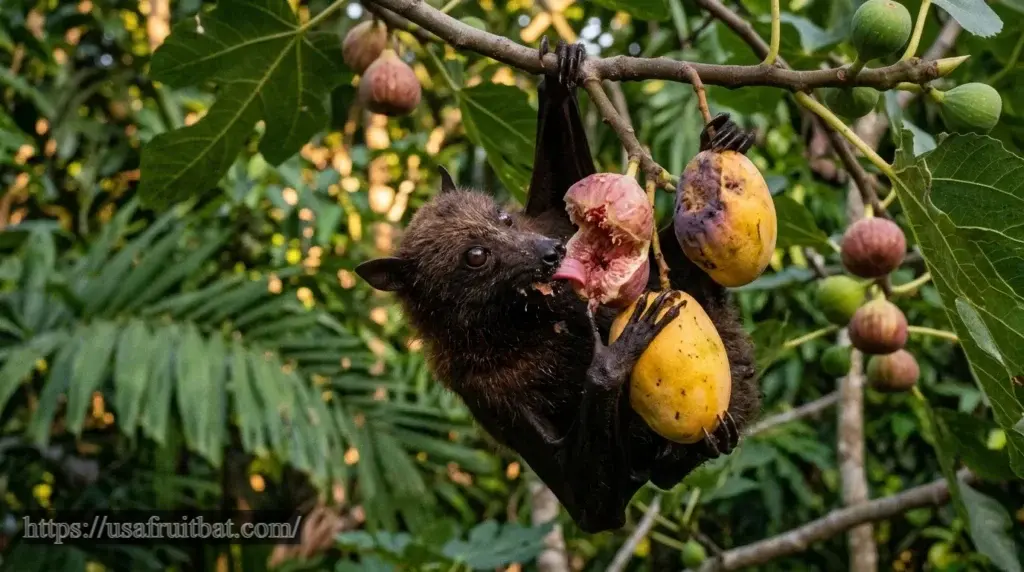
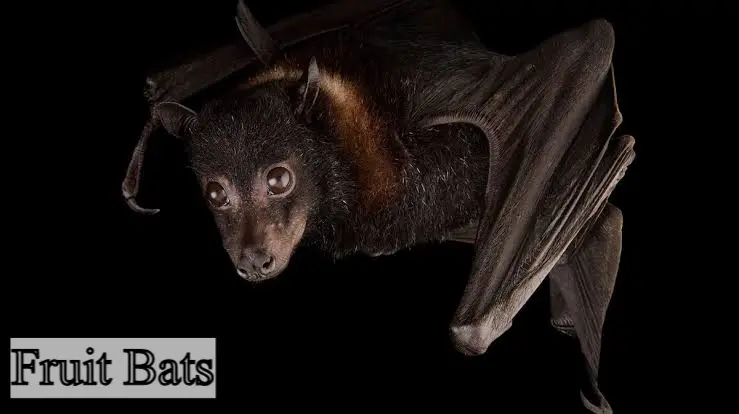
Fruit bats are fascinating mammals known for their role in pollination, seed dispersal, and plant reproduction. However, the phrase “fruit bat in the USA” can be confusing because most of the large flying foxes commonly called fruit bats are native to tropical and subtropical regions outside the continental United States.
In the United States, several bat species feed heavily on nectar, pollen, fruit, or plant material, particularly in the Southwest and other warm regions.
This guide explains what people mean by fruit bats in the USA, which species are relevant, where they live, what they eat, how they help ecosystems, and what conservation challenges they face.
What Is a Fruit Bat?
Fruit bats are bats that primarily or partly feed on fruit, nectar, pollen, or other plant-based foods. The term commonly refers to members of the Old World fruit bat family Pteropodidae, which includes flying foxes.
The term can be confusing in the United States because several American bat species are nectar specialists rather than classic tropical fruit bats.
For this reason, it is better to identify the specific species when discussing bats found in the USA.
Are Fruit Bats Native to the USA?
The large flying foxes commonly called fruit bats are not native to the continental United States. However, the USA has several native bats that consume nectar, pollen, fruit, or other plant material.
One of the most important examples is the lesser long-nosed bat, a nectar-feeding species found in parts of the American Southwest.
Other species may have different diets and ranges, so the term “USA fruit bat” should not be treated as the name of a single species.
Which Fruit-Eating or Nectar-Feeding Bats Are Found in the USA?
| Species | Main Food | General U.S. Range | Key Feature |
|---|---|---|---|
| Lesser long-nosed bat | Nectar and pollen | Arizona, New Mexico and parts of Texas | Important pollinator |
| Mexican long-tongued bat | Nectar and pollen | Southwestern United States | Long tongue adapted to flowers |
| Big brown bat | Primarily insects | Much of the USA | Not a true fruit bat |
| Hawaiian hoary bat | Primarily insects | Hawaii | Native Hawaiian bat |
Important: Not every bat listed above is a fruit bat. They are included to clarify the difference between plant-feeding bats and other American bat species.
Lesser Long-Nosed Bat
The lesser long-nosed bat is particularly important when discussing nectar-feeding bats in the United States.
It is associated with the desert Southwest and has an important relationship with plants such as agaves and night-blooming cacti.
What Does the Lesser Long-Nosed Bat Eat?
Its diet includes:
- Nectar
- Pollen
- Agave flowers
- Nectar from night-blooming plants
As the bat moves between flowers, pollen can attach to its body and be transferred to other plants.
This makes the species an important pollinator in its native range.
Where Do Fruit-Eating Bats Live in the USA?
Plant-feeding and nectar-feeding bats associated with the USA are particularly relevant in the Southwest, including parts of Arizona, New Mexico and Texas.
Their habitats can include:
- Desert landscapes
- Cactus areas
- Agave habitats
- Mountain regions
- Canyons
- Forest edges
- Agricultural areas with suitable food sources
The exact range depends on the species. britannica.com
Fruit Bat Habitat in the American Southwest
The American Southwest contains several plants that provide important food resources for nectar-feeding bats.
Sonoran Desert
The Sonoran Desert spans parts of Arizona and Mexico and contains many night-blooming plants used by nectar-feeding bats.
Chihuahuan Desert
Parts of New Mexico and Texas provide additional habitat and food resources for several bat species.
Agave Landscapes
Agave flowers can provide important nectar for bats during flowering periods.
Cactus Habitats
Night-blooming cacti can also provide nectar and pollen.
What Do Fruit Bats Eat?
Depending on the species, plant-feeding bats can eat nectar, pollen, fruit pulp, or other plant material.
| Food | Why It Matters |
|---|---|
| Nectar | Provides energy |
| Pollen | Provides nutrients |
| Fruit | Food source for fruit-eating species |
| Agave flowers | Important nectar source for some Southwest bats |
| Cactus flowers | Important seasonal food source |
Not every bat species eats all of these foods.
How Do Bats Help Plants?
Nectar-feeding bats can act as pollinators by carrying pollen between flowers while feeding.
This relationship is especially important for some plants that bloom at night.
As a bat visits flowers, pollen can attach to its fur and be transferred to another flower.
This natural process helps plants reproduce.
Do Bats Help With Seed Dispersal?
Some fruit-eating bat species can help spread seeds after consuming fruit.
As bats move between locations, seeds can be transported away from the parent plant.
This can contribute to plant regeneration and forest ecosystem processes in regions where fruit-eating bats are common.
However, the importance of seed dispersal varies by bat species and ecosystem.
Fruit Bats vs. Insect-Eating Bats
This distinction is important.
| Feature | Fruit / Nectar-Feeding Bats | Insect-Eating Bats |
|---|---|---|
| Main Food | Fruit, nectar or pollen | Insects |
| Main Ecological Role | Pollination and seed dispersal | Insect control |
| Typical Examples | Lesser long-nosed bat | Big brown bat |
| Echolocation | Varies by species | Commonly important |
| Habitat | Often associated with flowering/fruiting plants | Forests, caves, buildings and other habitats |
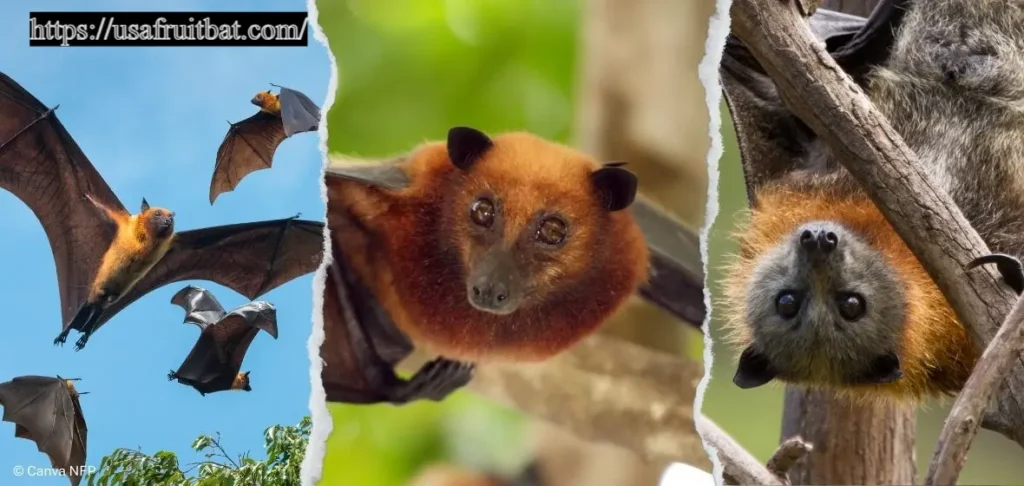
Are Fruit Bats Dangerous?
Fruit- and nectar-feeding bats generally avoid people and are not aggressive toward humans.
However, bats are wild animals and should never be handled with bare hands.
If you encounter an injured or grounded bat, contact an appropriate wildlife professional rather than attempting to pick it up.
Do Fruit Bats Carry Rabies?
Bats can carry rabies, but most bats are not infected with rabies.
The important safety rule is simple: never handle a wild bat with your bare hands.
If a person or pet has been bitten or potentially exposed to a bat, contact an appropriate medical or veterinary professional promptly for guidance.
Threats Facing Bats in the USA
American bats face several conservation challenges.
Habitat Loss
Urban development, agriculture and other land-use changes can reduce suitable roosting and feeding habitat.
Disease
White-nose syndrome has had a major impact on several North American insect-eating bat species.
Pesticides
Pesticides can affect insects and other parts of the food chain and may indirectly affect bats.
Wind Energy
Some bat species can be affected by collisions with wind turbines.
Human Disturbance
Disturbing bats at roosting or maternity sites can negatively affect colonies.
Climate Change
Changes in temperature, drought and plant flowering patterns can affect food availability and migration.
Conservation of the Lesser Long-Nosed Bat
The lesser long-nosed bat provides an important conservation success story.
The species was listed as endangered under the U.S. Endangered Species Act and was later removed from the endangered species list after conservation efforts helped improve its status.
This example shows why habitat protection, monitoring and conservation programs can make a difference.
How Can You Help Bats?
You can support bats without directly interacting with them.
Consider:
- Planting native flowering plants
- Reducing unnecessary pesticide use
- Protecting natural habitat
- Avoiding disturbance of bat roosts
- Supporting reputable conservation organizations
- Learning to identify local bat species
- Reporting wildlife observations through legitimate citizen-science programs
Where Can You See Bats in the USA?
The best opportunities depend on the species and season.
The Southwest is particularly interesting for people who want to learn about nectar-feeding bats.
Potential areas include parts of:
- Arizona
- New Mexico
- Texas
Always follow park rules and wildlife-viewing guidelines.
Do not enter restricted roosts or disturb bats for photographs.
Fruit Bat Facts
| Fact | Explanation |
|---|---|
| Bats are mammals | They are the only mammals capable of sustained powered flight |
| Some bats pollinate plants | Nectar-feeding species can transfer pollen |
| Not all bats eat fruit | Many American bats primarily eat insects |
| Species differ greatly | Diet and habitat vary by species |
| Some bats migrate | Certain species move seasonally between food sources |
| Bats can live for years | Lifespan varies considerably by species |
Common Myths About Fruit Bats
Myth: All bats eat fruit
False. Many bat species, particularly in North America, primarily eat insects.
Myth: All bats are dangerous
False. Bats generally avoid people, although wild bats should never be handled.
Myth: Fruit bats are rodents
False. Bats are mammals belonging to the order Chiroptera, not rodents.
Myth: Every bat in the USA is a fruit bat
False. Most bats commonly encountered in the continental United States are not true fruit bats.
Frequently Asked Questions
Are there fruit bats in the USA?
There are native U.S. bats that feed on nectar, pollen and sometimes fruit, but the large flying foxes commonly called fruit bats are not native to the continental United States.
What is the most famous fruit-eating bat in the USA?
The lesser long-nosed bat is one of the most important plant-feeding bats associated with the American Southwest. It feeds heavily on nectar and pollen from plants such as agave and night-blooming flowers.
Where do fruit bats live in the USA?
Nectar-feeding bats associated with the United States are especially important in parts of Arizona, New Mexico and Texas. Their exact range depends on the species.
What do fruit bats eat?
Depending on the species, plant-feeding bats may eat nectar, pollen, fruit or other plant material. Nectar is particularly important for species such as the lesser long-nosed bat.
Are fruit bats dangerous to humans?
Fruit- and nectar-feeding bats generally avoid humans and are not aggressive. However, all wild bats should be observed without direct contact.
Do bats pollinate plants?
Yes. Some bat species are important pollinators. Nectar-feeding bats can carry pollen between flowers while feeding.
Do bats eat fruit in America?
Some bats can consume fruit or plant material, but most bats commonly found in the continental United States primarily eat insects. The exact diet depends on the species.
Are fruit bats endangered?
Conservation status varies by species. The lesser long-nosed bat was removed from the U.S. endangered species list after successful conservation efforts, while other bat species face significant threats.
Can I attract bats to my yard?
You can make your yard more wildlife-friendly by planting appropriate native plants and reducing unnecessary pesticide use. Avoid handling bats and follow local wildlife guidance.
What should I do if I find a bat on the ground?
Do not touch it with your bare hands. Keep children and pets away and contact a local wildlife professional or animal-control authority for appropriate guidance.
Final Thoughts
Bats are an important part of American ecosystems, but the term “fruit bat” can be misleading when discussing the United States.
Rather than treating “USA fruit bat” as a single species, it is more useful to look at individual bats and their diets, habitats and ecological roles.
Nectar-feeding species such as the lesser long-nosed bat demonstrate how closely wildlife can be connected to plants and desert ecosystems.
Understanding these animals also helps replace common myths with accurate information. Whether you are interested in wildlife, conservation, biology or the American Southwest, learning about individual bat species is the best way to understand their importance.