Introduction
Have you ever put up a bat house and waited months, only to find it empty? You are not alone. Thousands of homeowners face the same problem every year. The truth is that most failed bat houses share one thing in common. Their bat house design was wrong from the start.
Bats are picky tenants. They need warmth, safety, and the right entry space to move in. A poor bat house design can leave your box empty for years, while a smart one can attract a full colony within one season. In this article, you will learn exactly what makes a bat house design work, what mistakes to avoid, and how experts build boxes that bats actually love.
By the end, you will know how to plan, build, and place a bat house that gives you real results, not just a wooden box on a pole.
Why Bat House Design Matters So Much
Bats are not like birds. They do not build nests. They squeeze into tight spaces and rely on body heat from other bats to stay warm. This means bat house design is not just about looks. It is about temperature, chamber width, and landing space.
According to Bat Conservation International, a nonprofit group that has studied bat housing for decades, occupancy rates drop sharply when a box runs too cool or too hot. Their field data shows that boxes painted the wrong color for their climate often fail within the first year.
I have spoken with several backyard conservationists who tried three or four boxes before one worked. Every single time, the winning design matched local climate needs closely.
Key Elements of a Successful Bat House Design
A good bat house design depends on a few core features working together. Skip one, and bats may avoid the box completely.
1. Chamber Width
Bats prefer narrow spaces between three quarters of an inch and one inch. This tight gap mimics the space under tree bark, which is their natural roosting spot.
2. Height and Size
Taller boxes hold heat better and offer more roosting area. Most successful bat house design plans use a height of at least 24 inches.
3. Landing Pad
Bats do not fly straight into an entrance. They land below it and crawl up. Every bat house design needs a rough landing pad extending several inches below the entry slot.
4. Color and Heat Absorption
Paint color changes internal temperature. Dark colors suit cooler regions, while lighter shades work better in hot climates.
5. Ventilation Slots
Airflow prevents overheating in summer. Many older bat house designs failed simply because they lacked proper venting.
Bat House Design Comparison Table
Here is a quick table comparing common design types, based on data collected from wildlife groups and DIY builders.
| Design Type | Chamber Count | Best Climate | Average Occupancy Rate |
|---|---|---|---|
| Single Chamber | 1 | Mild regions | Low |
| Multi Chamber | 3 to 4 | Most regions | High |
| Rocket Box | 4 to 6 | Cold winters | Very High |
| Nursery Box | 2 to 3 | Warm summers | Moderate to High |
Multi chamber and rocket box styles consistently outperform single chamber designs. This matches what most bat conservation experts recommend today.
Step by Step: Building the Right Bat House Design
If you want a bat house design that actually works, follow these steps.
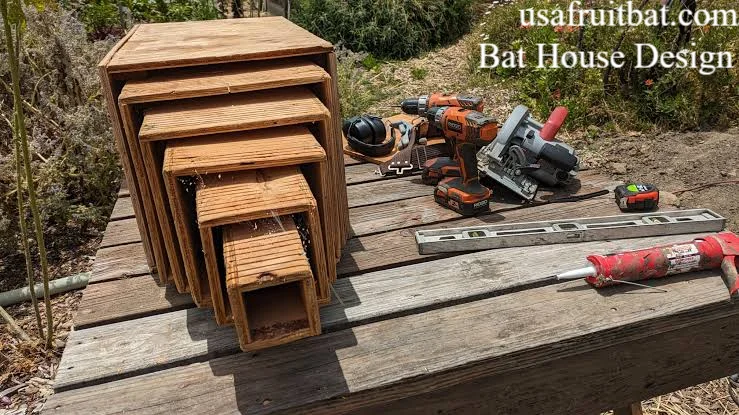
- Choose untreated, rough cut wood. Smooth wood makes it hard for bats to grip.
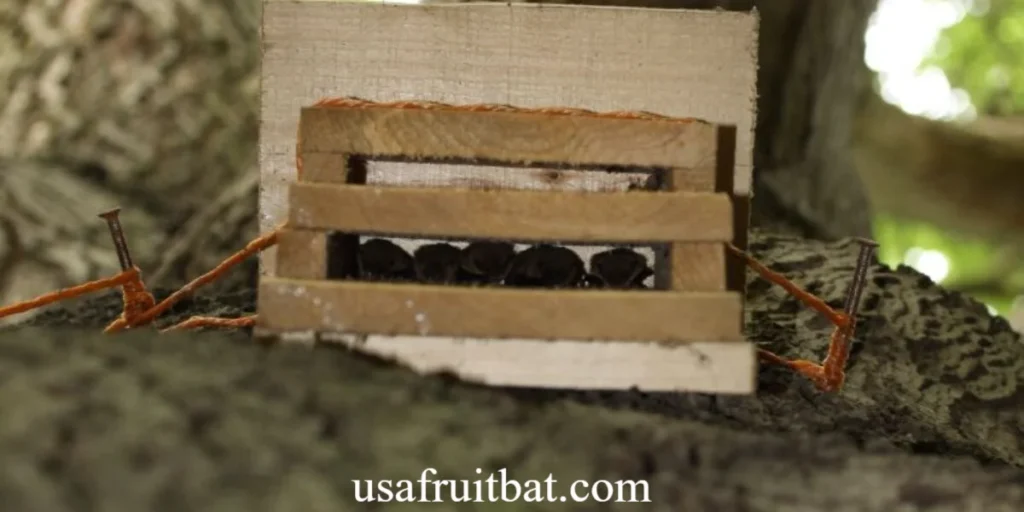
- Build at least two or three chambers, spaced three quarters of an inch apart.
- Add a landing pad below the entrance, scored with horizontal grooves.
- Seal all top and side seams to block drafts and rain.
- Paint the exterior based on your regional sun exposure.
- Mount the box 12 to 20 feet above ground on a pole or building wall.
- Face the entrance toward morning sun for natural warmth.
This process reflects what most successful bat house design guides from wildlife agencies recommend.
Where to Place Your Bat House
Placement can matter just as much as bat house design itself. Bats avoid boxes near bright lights or heavy tree cover, since predators can ambush them there.
Good placement includes:
- Open areas away from dense branches
- Locations receiving six or more hours of sun
- Spots near water sources like ponds or streams
- Heights above ten feet to avoid predators
Poor placement includes:
- Shaded backyards under large trees
- Areas near porch lights or streetlights
- Low mounting under eight feet
Common Bat House Design Mistakes
Even a well built box can fail if you make these errors.
- Using smooth or treated wood
- Skipping the landing pad
- Painting the wrong color for your climate
- Mounting too low or too close to trees
- Leaving gaps that let in light or drafts
Fixing even one of these issues can turn an empty box into an active roost.
Expert Insight on Bat House Design
Wildlife biologists who study bat housing often stress patience alongside good design. Even a perfect bat house design can take one or two seasons to attract a colony, since bats need to discover the box during their spring scouting flights.
Many experts also suggest installing more than one box. Groups like the National Wildlife Federation note that offering multiple design styles on a property increases the chance that bats find one that matches their needs.
FAQs About Bat House Design
1. What is the best bat house design for beginners? A simple multi chamber box works well for most beginners. It balances easy construction with strong occupancy rates.
2. How long does it take for bats to move into a new bat house design? It usually takes one to two years. Bats need time to discover new roosting spots nearby.
3. Does bat house design affect internal temperature? Yes. Chamber width, paint color, and ventilation all directly affect how warm or cool the inside stays.
4. What wood works best for bat house design? Untreated, rough cut wood like cedar or pine works best. Smooth wood makes gripping difficult for bats.
5. Should a bat house design have one chamber or multiple chambers? Multiple chambers perform better in most climates, since they trap heat more effectively than single chamber boxes.
6. How high should a bat house be mounted? Most experts recommend mounting between 12 and 20 feet above the ground.
7. Can bat house design help with mosquito control? Yes. A single bat can eat thousands of insects nightly, so an occupied bat house design can reduce mosquito activity nearby.
8. What color should I paint my bat house? Choose dark colors for cooler climates and lighter colors for hot, sunny regions.
Final Thoughts
Getting your bat house design right is not complicated once you understand what bats actually need. Focus on chamber width, proper height, landing space, and smart placement. Avoid common mistakes like smooth wood or poor mounting height, and give the box time to attract visitors.
If you already have a bat house that sits empty, consider reviewing your design against the tips above. Small changes often lead to big results. Have you tried building one yourself? Share your experience or ask a question, since every backyard and climate brings its own twist to bat house design.
usafruitbat.com
Email: johanharwen314@gmail.com
Author Name: Hamid Ali
About the Author: Hamid Ali is a wildlife content writer who focuses on backyard conservation, sustainable gardening, and DIY wildlife housing projects. He enjoys turning research from conservation groups into simple, practical guides that homeowners can use right away.