

Introduction
Are dogs carnivores? Not in the strict nutritional sense. Although dogs belong to the biological order Carnivora and descended from wolf-like ancestors, modern domestic dogs are generally considered omnivores from a nutritional perspective. Their bodies can obtain nutrients from animal and plant sources when those foods are appropriately prepared and included in a complete, balanced diet.
That distinction explains why dogs can eat meat while also digesting certain plant-based foods. It also explains why simply feeding a dog a bowl of meat is not necessarily a nutritionally complete diet.
The important question is therefore not just whether dogs eat meat. It is whether their diet supplies all the nutrients they need for their particular life stage, health status, and lifestyle.
Are Dogs Carnivores or Omnivores?
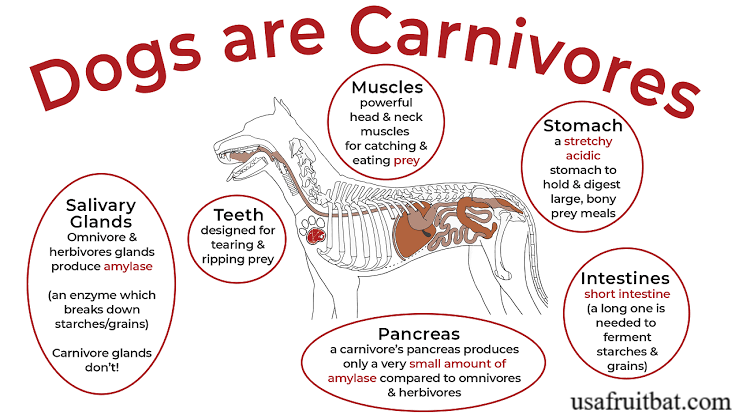
Dogs are members of the order Carnivora, but their nutritional adaptations make them omnivorous animals.
The confusion comes from the difference between biological classification and dietary biology. Dogs are classified alongside carnivorous mammals such as cats, but classification does not automatically mean an animal must eat only meat.
According to the Merck Veterinary Manual, domestic dogs have adaptations associated with starch digestion and glucose absorption that distinguish them from wolves. These adaptations support the classification of dogs as omnivores from a nutritional standpoint.
Why Are Dogs Considered Omnivores?
Dogs can use nutrients from both animal and plant foods.
Their dietary flexibility developed over thousands of years of domestication. Feral canids also consume a relatively broad range of foods, including prey and plant material.
This does not mean every plant food is suitable for dogs. It means that dogs have the physiological ability to obtain useful nutrients from properly formulated diets containing plant ingredients.

How Dogs Differ From True Carnivores
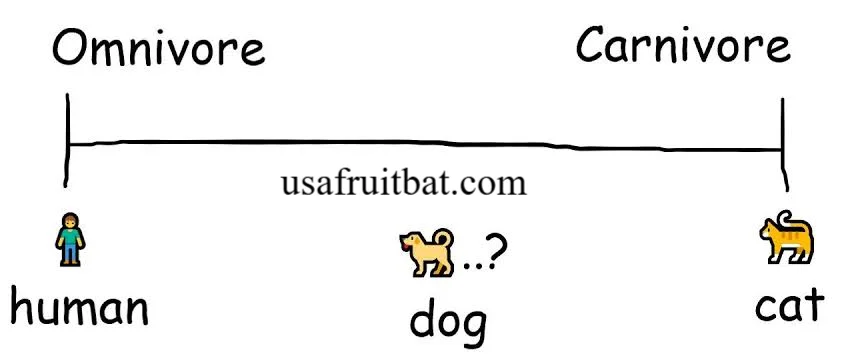
A useful comparison is the domestic cat.
Cats are obligate or true carnivores because they have specific metabolic requirements for nutrients that must come from animal tissues or appropriately supplied animal-derived nutrients, including taurine and preformed vitamin A. Dogs do not have the same obligate-carnivore requirements.
So, when someone asks “are dogs true carnivores?”, the most accurate answer is no. Dogs are carnivores by taxonomic classification but omnivores in terms of their nutritional adaptations.
What Is a Carnivore?
A carnivore is an animal that obtains much or most of its nutrition from animal-based foods. However, carnivory exists on a spectrum rather than being one simple category.
Obligate Carnivores
Obligate carnivores have dietary and metabolic requirements that make animal-derived nutrients essential to their normal nutrition.
Domestic cats are the familiar example. Their nutritional biology differs significantly from that of dogs.
Hypercarnivores
The term hypercarnivore is generally used for animals whose natural diets consist predominantly of animal matter.
Many predators fall into this broad ecological category.
Mesocarnivores
Mesocarnivores consume a mixture of animal and plant foods, with animal foods making up a substantial portion of their natural diet.
Foxes are often used as an example of a flexible predator that can consume fruits, insects and other plant material alongside prey.
Hypocarnivores
Hypocarnivores obtain a relatively smaller proportion of their diet from animal sources and can consume substantial amounts of plant foods.
The terminology can vary among scientific sources, so these labels should not be treated as rigid nutritional rules for individual pets.
Do Dogs Need to Eat Meat?
Dogs need specific nutrients, but they do not necessarily need meat as a particular ingredient.
This is one of the most important distinctions in canine nutrition.
Dogs require nutrients such as:
- Essential amino acids
- Fatty acids
- Vitamins
- Minerals
- Water
- Appropriate amounts of protein
- Adequate energy
Those nutrients can come from different ingredients as long as the finished diet supplies them in appropriate amounts and proportions.
The World Small Animal Veterinary Association (WSAVA) emphasizes that pets require nutrients rather than specific ingredients and that diets should be nutritionally complete and balanced.
That means meat can be an excellent protein source for dogs, but “more meat” does not automatically mean “better nutrition.”
Can Dogs Eat Meat and Plant Foods?
Yes. Dogs can digest and use nutrients from both animal and appropriately prepared plant foods.
Their digestive system is adapted to a varied diet, and domestic dogs have genetic adaptations associated with starch digestion.
Meat as a Dog Protein Source
Meat, poultry and fish can provide high-quality protein and essential amino acids.
However, feeding meat alone can create nutritional imbalances. For example, Merck notes that diets consisting predominantly of meat can be deficient in calcium and lead to serious nutritional problems.
Therefore, a meat-heavy diet is not automatically a complete diet.
Can Dogs Eat Plant Foods?
Dogs can digest and absorb nutrients from properly prepared plant ingredients, including cooked starches.
Plant ingredients can contribute:
- Carbohydrates for energy
- Fiber
- Vitamins
- Minerals
- Fatty acids
- Other useful nutrients
However, individual foods vary considerably in safety and nutritional value. Some human foods—including chocolate, grapes, raisins, onions, garlic, xylitol and alcohol—can be dangerous to dogs.
What Nutrients Do Dogs Need?
A healthy dog needs a complete and balanced diet, rather than simply a collection of ingredients that sound healthy.
Important nutritional categories include:
| Nutrient | Why Dogs Need It |
|---|---|
| Protein | Provides amino acids for tissue maintenance and other biological functions |
| Fat | Provides concentrated energy and essential fatty acids |
| Carbohydrates | Can provide energy and other nutrients when appropriately included |
| Vitamins | Support numerous metabolic and physiological functions |
| Minerals | Important for bones, muscles, nerves and other processes |
| Water | Essential for virtually every body function |
Dogs also require specific essential amino acids and fatty acids. Their requirements change according to factors such as age, growth, reproduction and health.
Merck emphasizes that feeding a diet appropriate to the dog’s life stage and nutritionally complete and balanced is fundamental to health.
How Does a Dog’s Digestive System Handle Different Foods?
Dogs have a digestive system capable of processing nutrients from animal and plant sources.
One particularly important adaptation involves carbohydrates. Domestic dogs have genetic changes associated with starch digestion and glucose absorption compared with wolves.
This doesn’t mean dogs should eat unlimited carbohydrates.
Instead, it demonstrates why the old idea that dogs are essentially wolves that must survive exclusively on raw meat is too simplistic.
A modern dog’s nutritional requirements are better understood by looking at nutrients, digestibility, life stage and overall diet formulation.
Can Dogs Live on a Plant-Based Diet?
Potentially, yes—but it should not be treated casually.
Dogs can potentially receive their required nutrients from carefully formulated vegetarian or vegan diets. WSAVA educational material notes that dogs can potentially obtain their required nutrients from vegetarian diets when appropriately formulated.
The key word is formulated.
Simply removing meat from a dog’s existing diet and replacing it with vegetables is not a safe nutritional strategy.
A plant-based diet must provide appropriate levels and bioavailability of all essential nutrients. If you’re considering a vegetarian or vegan diet for a dog, discussing it with a veterinarian or veterinary nutrition professional is a sensible approach.
Choosing the Right Dog Food
The best dog food is not necessarily the one with the most meat on the label.
Instead, look for evidence that the product is designed to provide complete and balanced nutrition for the appropriate life stage.
Check the Nutritional Adequacy Statement
In the United States, pet food labels include nutritional adequacy information. A product labeled complete and balanced is intended to provide the nutrients required for the specified species and life stage.
Consider the Dog’s Individual Needs
Nutrition isn’t identical for every dog.
Consider:
- Age
- Size
- Activity level
- Growth requirements
- Pregnancy or lactation
- Body condition
- Medical conditions
- Food sensitivities
WSAVA recommends individualized nutritional assessment as part of veterinary care.
Don’t Judge Food Only by Marketing
Terms such as “premium” or “holistic” may sound impressive, but WSAVA points out that some marketing terminology provides limited practical information about nutritional adequacy.
Instead, focus on nutritional adequacy, manufacturer transparency, quality control and appropriate formulation.
Are Insect-Based Proteins Good for Dogs?
Insect protein can be a viable alternative protein source for dogs when it is incorporated into a properly formulated, nutritionally complete diet.
Insect-based dog food has attracted interest because insects can provide protein while potentially using fewer environmental resources than some conventional livestock systems.
However, “insect-based” does not automatically mean nutritionally superior.
The same principle applies: the finished diet matters more than one ingredient.
Can Insect Protein Help Dogs With Food Sensitivities?
Novel proteins can sometimes be useful in dietary management because a dog may not have previously been exposed to them.
However, food allergies and intolerances are individual conditions. An insect protein should not automatically be described as hypoallergenic for every dog.
For dogs with suspected food allergies, veterinary guidance and appropriately selected therapeutic diets can be important. Merck notes that therapeutic diets may be useful when investigating food allergies because manufacturers can take additional precautions against cross-contamination.
Is Insect Protein Sustainable?
Insect farming is being explored as an alternative protein system because insects can potentially require fewer resources than conventional livestock.
However, environmental performance depends on the insect species, feed, production system, processing and other factors.
So sustainable pet nutrition should be evaluated on the complete production system rather than a single marketing claim.
What Is the Best Diet for Dogs?
There is no single diet that is ideal for every dog.
For most healthy dogs, the practical starting point is a complete and balanced food appropriate for the dog’s life stage, combined with appropriate portions and access to fresh water.
For dogs with allergies, gastrointestinal problems, kidney disease or other medical conditions, dietary requirements can be different.
Homemade diets require particular care. Merck recommends that owners who choose home-cooked diets use recipes formulated by a board-certified veterinary nutritionist because creating a nutritionally complete homemade diet can be difficult.
The same principle applies to raw diets. WSAVA highlights potential risks involving bacterial contamination, nutritional imbalance and bones.
Are Dogs Carnivores?
So, are dogs carnivores?
Dogs belong to the order Carnivora, but nutritionally they are considered omnivores.
Their evolutionary history includes wolf ancestry, but domestic dogs have developed adaptations that allow them to use nutrients from both animal and plant sources.
Dogs can eat meat, and animal protein can be an important component of many healthy diets. But dogs don’t require a diet made exclusively from meat.
The most useful way to think about canine nutrition is:
Dogs need the right nutrients in the right amounts—not simply the largest possible amount of meat.
A healthy diet should be complete, balanced, appropriate for the dog’s life stage and adapted to its individual needs.
Frequently Asked Questions
Are dogs naturally carnivores?
Dogs are members of the biological order Carnivora, but they are considered omnivores from a nutritional perspective. Their physiology allows them to use nutrients from both animal and plant sources.
Why are dogs considered omnivores?
Dogs are considered omnivores because their nutritional biology allows them to digest and obtain nutrients from both animal and plant foods. Domestic dogs also have adaptations associated with starch digestion that distinguish them from wolves.
Do dogs need meat to survive?
Dogs need essential nutrients rather than meat itself. A properly formulated complete and balanced diet can provide the nutrients dogs require without necessarily relying on meat as the sole source of nutrition.
Can dogs eat a plant-based diet?
Dogs can potentially thrive on a carefully formulated vegetarian or vegan diet, but simply removing meat from a dog’s normal diet is not enough. The diet must provide all essential nutrients in appropriate amounts and proportions.
What meat is best for dogs?
There isn’t one universally “best” meat for every dog. Appropriate cooked animal proteins can provide valuable nutrients, but the overall diet must be complete and balanced. Dogs with allergies or medical conditions may require specific protein sources selected with veterinary guidance.
About the Author: Hamid Ali is a wildlife and pet-care content writer specializing in animal behavior, canine nutrition, and natural diets. He creates clear, research-based guides that help pet owners make informed decisions about their dogs.
Author Name: Hamid Ali
Email: johanharwe314@gmail.com
Also Read: