
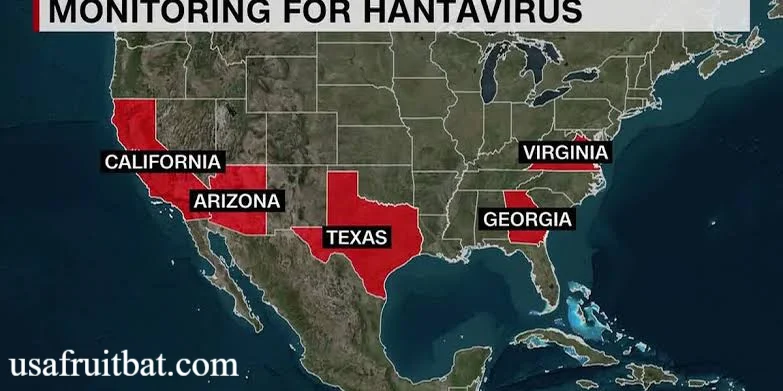
The hantavirus California map helps readers understand where reported hantavirus infections have occurred and which counties were identified as likely exposure locations. California’s Department of Public Health (CDPH) provides an interactive story map that presents historical information about infections among California residents. By exploring this resource, you can learn about geographic patterns, review historical case information, and find official guidance without confusing past reports with an active outbreak.
Hantavirus is a serious disease associated with certain wild rodents, particularly deer mice in California. The virus can enter the air when contaminated rodent urine, droppings, or nesting materials are disturbed. A map can help explain the geographic distribution of reported infections, but it cannot confirm whether a particular building, neighborhood, or person is currently exposed. Understanding the information alongside public health recommendations provides a more accurate picture of the potential risks.
sourecs: cdph.ca.gov
Hantavirus California Cases by County and Location
Historical reports show that hantavirus infections have occurred in multiple California counties, with some inland and mountainous areas recording more cases than others. Mono County, for example, has documented numerous infections associated with local exposure. The hantavirus California map can help readers explore these differences, but the figures represent historical surveillance rather than a live count of infected rodents or people.
The following figures are historical county counts reported in the 1980–2025 map summary supplied for this topic. They should be checked against the latest interactive CDPH map before publication, because individual resources can cover different reporting periods.
| California county | Reported historical cases |
|---|---|
| Mono County | 26 |
| Inyo County | 9 |
| Mariposa County | 7 |
| Placer County | 7 |
| Los Angeles County | 5 |
| Nevada County | 5 |
| Kern County | 4 |
These totals describe historical infections associated with the listed counties, not the number of current cases. They also do not establish that every resident faces the same exposure risk. A person who lives in a county with few reported infections may still encounter infected rodents, while someone living in a county with a higher historical total may never experience an exposure. Safe rodent prevention is important throughout California.
Hantavirus Locations in Los Angeles, Irvine, Sacramento, and the Bay Area
People searching for hantavirus in Los Angeles, Irvine, Sacramento, or the San Francisco Bay Area often want to know whether their local community has reported infections. The official map and county health department resources are the best starting points. Review the location, reporting period, and type of information shown before drawing conclusions about a particular city. County-level records do not necessarily identify the exact home, business, trail, or building where exposure occurred.
Hantavirus risk is not limited to remote wilderness. Deer mice can occur in rural and developed areas, and people may encounter rodents in garages, storage spaces, cabins, sheds, vehicles, and other enclosed locations. When checking the hantavirus California map, remember that a county without a recorded case on the map should not automatically be considered risk-free. Preventing rodents from entering buildings and avoiding contact with their waste are practical precautions regardless of your location
Hantavirus California 2026 Update and Cruise Ship News
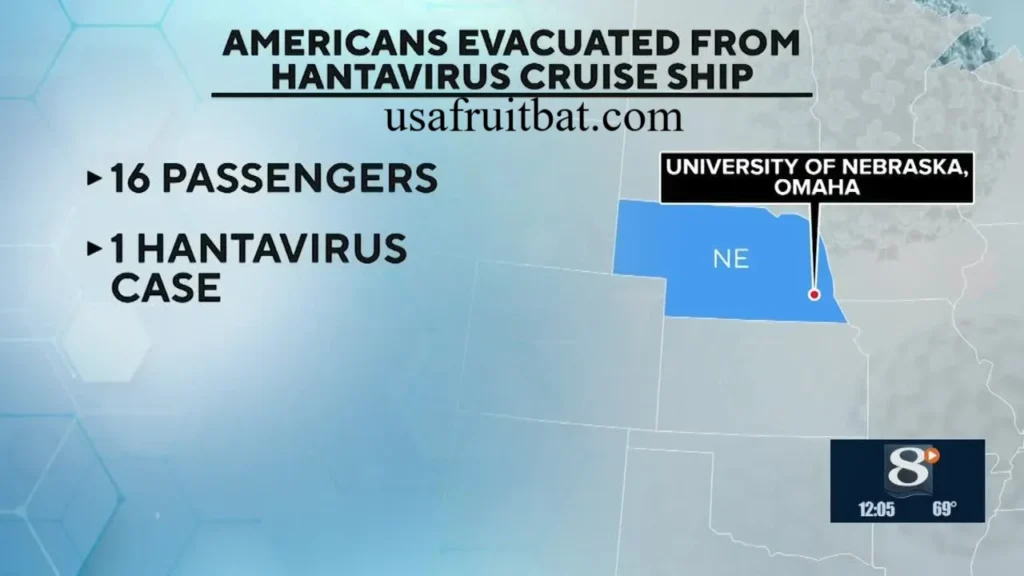
People searching for a hantavirus California 2026 update may also encounter news about the MV Hondius cruise ship outbreak involving Andes hantavirus. According to the California Department of Public Health, Californians were among the people monitored following potential exposure connected to that international outbreak. In its June 22, 2026 update, CDPH stated that the outbreak was over, no California or other U.S. residents had developed Andes hantavirus, and the monitoring period for Californians exposed to the outbreak had ended at midnight on June 21.
It is important to distinguish the international cruise ship incident from the usual hantavirus risk in California. The locally relevant Sin Nombre virus is associated with deer mice and is not known to spread from person to person. Andes virus, found in parts of South America, can spread between people in certain circumstances. CDPH identifies the two viruses separately, so reports about Andes hantavirus passengers should not be interpreted as proof of a new local outbreak in California. Check official health announcements for subsequent developments.
How Hantavirus Spreads and Which Symptoms to Recognize
Hantavirus infection can occur when people breathe in contaminated particles released from infected rodents’ urine, saliva, or droppings. This risk can increase when someone sweeps, vacuums, or otherwise disturbs contaminated material in a poorly ventilated space. Opening a cabin that has been closed for months, cleaning a mouse-infested shed, or working in a rodent-contaminated storage area can create opportunities for exposure. Avoiding rodents and cleaning contaminated areas correctly are important prevention measures.
Early symptoms of hantavirus pulmonary syndrome may resemble the flu, including fever, fatigue, and muscle aches. The illness can progress to serious breathing difficulties and can be life-threatening. Symptoms alone cannot confirm whether someone has hantavirus, and people should not wait for a map update before seeking medical advice. If you develop concerning symptoms after possible rodent exposure, contact a healthcare professional promptly and explain the exposure history. Early medical evaluation can be important because there is no specific treatment that eliminates the virus.
How to Reduce Hantavirus Exposure in California
Understanding the geographic information on a hantavirus California map is only one part of staying safe. Everyday prevention focuses on reducing contact with wild rodents and their nesting materials. Homeowners, campers, hikers, property managers, and people cleaning storage buildings should pay attention to signs of rodent activity. Even if no infection has been reported nearby, practical prevention measures can lower the chance of contact with potentially contaminated materials.
Follow these precautions when dealing with rodent activity:
- Seal holes and gaps that mice could use to enter homes, garages, sheds, and cabins.
- Store food in rodent-resistant containers and keep rubbish secured.
- Wear rubber or plastic gloves when cleaning areas contaminated by rodents.
- Ventilate enclosed spaces for 30 minutes before starting cleanup.
- Wet rodent droppings and contaminated materials thoroughly with an appropriate disinfectant or freshly prepared 10% bleach solution, following official instructions.
- Allow the disinfectant to soak for at least five minutes before wiping up the material.
- Never sweep or vacuum dry droppings, urine, or nesting materials because this can release contaminated particles into the air.
These precautions follow guidance from CDPH. Heavily infested spaces may require additional protective equipment or professional cleanup. Follow the detailed instructions from public health authorities instead of improvising cleaning methods.
How to Read the Hantavirus California Map Correctly
Before using case totals in a report or article, check the map’s publication date and the period covered by its data. Different versions can show different figures because they include different years or use different criteria for determining a likely exposure location. For example, the available standalone CDPH PDF for 1980–2024 reports 93 diagnoses among California residents, with the county of exposure determined for 79 cases.
cdph.ca.gov
The newer 1980–2025 map summary supplied for this article reports 99 total cases, with 85 cases having a known county of exposure. These figures should not be combined with the older series as though they describe the same reporting period. For the most accurate hantavirus California map information, consult the current CDPH hantavirus information page and follow its links to the interactive map. Check county totals against the actual map version before presenting them as current.
Conclusion

The hantavirus California map provides a useful starting point for understanding historical case locations and the geographic patterns of reported infections. Exploring the map can help you investigate county-level information, understand why some regions appear more frequently in historical records, and locate official public health guidance. However, historical totals are not real-time outbreak figures, and the absence of mapped cases does not guarantee that an area is free from exposure risk.
For the most reliable information, use the California Department of Public Health’s interactive map and review the reporting period alongside any published figures. Learn how hantavirus spreads, keep rodents out of indoor spaces, and clean contaminated areas safely. If possible exposure is followed by concerning symptoms, seek prompt medical care. These steps offer a more useful approach to prevention than relying on geographic case counts alone.
Frequently Asked Questions
Where can I find the official hantavirus California map? Visit the California Department of Public Health hantavirus page and follow the link to its interactive map.
Which California counties have reported hantavirus cases? Historical reports include Mono, Inyo, Mariposa, Placer, Los Angeles, Nevada, and Kern counties, but current figures should be verified using the latest official map.
Are there hantavirus cases in California in 2026? Check the latest CDPH surveillance information because historical map totals do not establish how many cases have occurred during 2026.
Is hantavirus present in Los Angeles, Irvine, Sacramento, or the Bay Area? Consult official county records for historical information, and remember that deer mice can occur across California, including in developed areas.
What happened with the 2026 cruise ship hantavirus outbreak involving California passengers? CDPH reported on June 22, 2026, that the outbreak was over and no California or other U.S. residents had developed Andes hantavirus.
Can hantavirus spread from person to person? Sin Nombre virus, the hantavirus associated with California deer mice, is not known to spread between people, while Andes virus can spread in certain circumstances.
What are the early symptoms of hantavirus infection? Early symptoms can include fever, fatigue, and muscle aches; seek prompt medical advice if symptoms develop after possible rodent exposure.
How can I protect my home from hantavirus in California? Seal entry points, secure food, control rodents safely, and disinfect contaminated areas without sweeping or vacuuming dry rodent waste.
Also Raed