
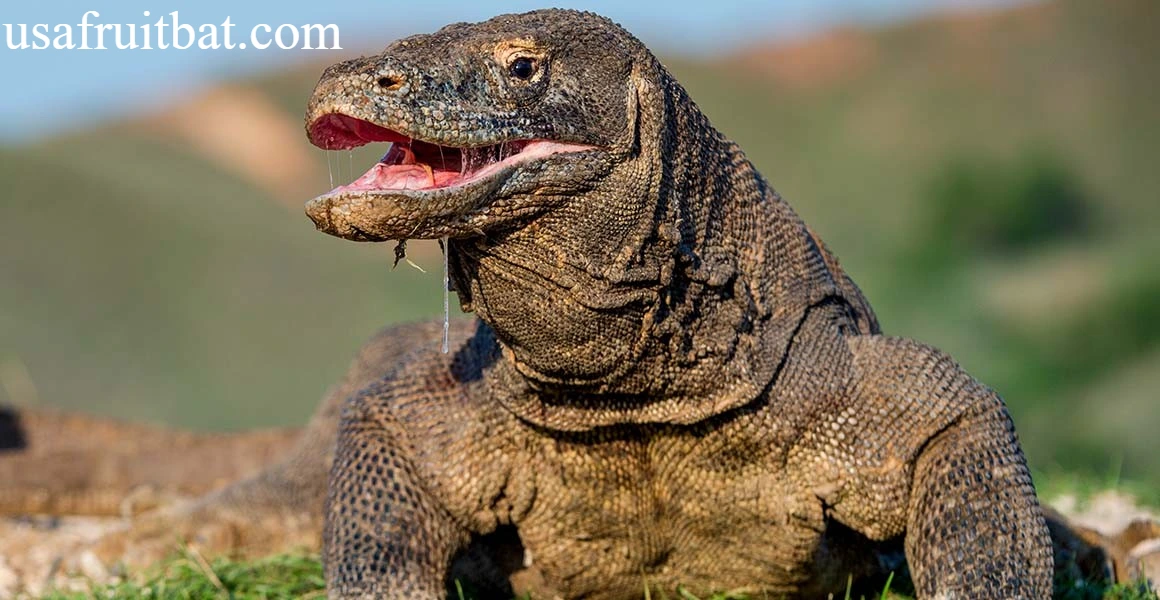
Komodo dragons are among the most fascinating predators on Earth, known for their impressive size, powerful hunting abilities, and remarkably adapted mouths. Their teeth are not simply sharp weapons; they are specialized tools designed to grip, cut, and tear flesh. Recent scientific research has revealed an even more surprising feature: parts of their teeth contain concentrated iron, helping preserve the sharp edges used during feeding.
Understanding these remarkable teeth reveals how the world’s largest living lizard captures prey, consumes large meals, and survives in its natural habitat. From their curved, serrated edges to their unusual iron-rich coating, Komodo dragon teeth demonstrate how evolution can produce highly specialized adaptations for survival.
What Do Komodo Dragon Teeth Look Like?
Komodo dragon teeth are pointed, curved, and serrated, resembling small blades rather than the broad grinding teeth found in plant-eating animals. Their edges are designed to slice through flesh during feeding, while their backward-curved shape helps maintain a grip on struggling prey. These teeth are arranged along both jaws, creating an effective cutting system that supports the lizard’s carnivorous diet.
An adult Komodo dragon has numerous teeth that vary in size and position. Each tooth contributes to capturing, cutting, or tearing food rather than chewing it thoroughly. Unlike human teeth, which perform several functions depending on their location, these reptilian teeth are adapted primarily for processing animal tissue. Their specialized structure allows Komodo dragons to consume prey efficiently in the wild.
sourecs: discoverwildlife.com
How Sharp Are Komodo Dragon Teeth?
Komodo dragon teeth are exceptionally effective at cutting flesh because of their pointed tips and serrated edges. These small, saw-like projections help the teeth slice through tissue when the animal bites and pulls its head backward. Their effectiveness comes from the combination of tooth shape, jaw movement, and muscular strength, rather than sharpness alone.
A fascinating discovery published in Nature Ecology & Evolution in 2024 revealed that Komodo dragon teeth have concentrated iron along important parts of their cutting edges. Researchers found that this iron-rich material is associated with maintaining the teeth’s serrated structure. The discovery offers new insight into how these predators preserve the specialized edges required for repeated puncturing and tearing during feeding.
Are Komodo Dragon Teeth Made of Iron?
Komodo dragon teeth are not made entirely of metal. Like other reptile teeth, they consist primarily of mineralized dental tissues, including dentine and enamel. Scientists discovered concentrated iron in the outer coating of particular tooth regions, especially along the serrated edges and tips. This unusual feature distinguishes their teeth from those of many other living reptiles.
The iron-rich coating is thought to help protect the cutting edges against wear and maintain their effectiveness during feeding. Researchers also suggest that this discovery could help scientists understand tooth structures in extinct meat-eating dinosaurs. However, fossilization can obscure original chemical details, so the exact appearance and composition of every dinosaur’s teeth cannot be determined from this finding alone.
How Do Komodo Dragon Teeth Help Them Hunt?
Komodo dragons use their teeth to seize prey and inflict deep wounds. When they attack, their pointed teeth penetrate tissue, while their serrated edges help cut flesh as the animal pulls and moves its head. Strong neck muscles and coordinated body movements contribute to the process, allowing these large reptiles to tear apart prey much more effectively than their tooth size alone might suggest.
Their hunting strategy also involves stealth, patience, and opportunism. Komodo dragons may ambush animals that pass nearby or feed on carrion when the opportunity arises. Their teeth work alongside other adaptations, including a strong body, keen senses, and venom-producing glands. Together, these features help explain why Komodo dragons are effective predators in their native Indonesian environments.
How Dangerous Is a Komodo Dragon Bite?
A Komodo dragon bite can cause severe injuries because its teeth are designed to puncture and tear tissue. A bite may result in deep lacerations, substantial bleeding, and damage to muscles or other structures. The animal’s size and strength can make an encounter especially dangerous, so visitors should never approach, provoke, or attempt to handle a wild Komodo dragon.
The danger does not come from the teeth alone. Komodo dragons possess venom-producing glands, and their venom can interfere with blood clotting and blood pressure. This means a bite may combine mechanical injury with physiological effects that worsen blood loss. Anyone bitten by a Komodo dragon needs immediate emergency medical attention, even if the wound initially appears manageable.
Komodo Dragon Venom and Its Role in the Bite
For many years, explanations of Komodo dragon attacks emphasized bacteria in the animals’ mouths. Research has since established that Komodo dragons possess venom-associated adaptations that can contribute to the effects of a bite. Their venom contains compounds that can affect blood pressure and clotting, potentially making serious injuries more dangerous.
The teeth provide the physical mechanism for puncturing and cutting tissue, while venom enters the wound during biting. These are distinct but complementary aspects of the animal’s biology. It is misleading to describe the teeth themselves as venom-producing or to attribute every hunting success to venom alone. Injury severity depends on several factors, including the wound, the animal’s attack, and how quickly medical care is received.
Do Komodo Dragons Replace Their Teeth?
Komodo dragons can replace their teeth throughout life, an important adaptation for predators whose teeth experience considerable wear during feeding. As teeth become damaged or are lost, replacement teeth develop to maintain the animal’s ability to grip and tear food. This ongoing process helps preserve feeding efficiency without relying on a single permanent set of teeth.
Their replacement ability differs from that of humans, who generally develop only two sets of teeth. Komodo dragons belong to a group of reptiles capable of repeated tooth replacement. This feature is particularly useful for a large carnivore that regularly tears through tough tissue. Combined with their specialized tooth shape and iron-rich cutting edges, continuous replacement supports their demanding feeding habits.
Komodo Dragon Size, Weight, and Feeding Power
Komodo dragons are the largest living lizards, with many adults reaching approximately two to three meters in total length. Their weight varies according to sex, age, health, and recent feeding, with large adults weighing many tens of kilograms. Their muscular bodies, strong tails, and powerful limbs help them move across their habitat and handle prey.
Size plays an important role in how these reptiles feed. Large adults can target substantial animals, while younger Komodo dragons generally hunt smaller prey. Their teeth allow them to cut and tear food into pieces that can be swallowed without extensive chewing. Despite their impressive build, their hunting success depends on more than strength; patience, suitable habitat, prey availability, and well-adapted teeth all contribute.
Where Do Komodo Dragons Live?
Komodo dragons are native to several Indonesian islands, including Komodo, Rinca, Flores, and nearby islands within their natural range. They inhabit environments such as dry forests, savannas, and open woodland, where they can find shelter and suitable prey. Their distribution is limited, making habitat protection particularly important for the long-term survival of wild populations.
The island environment has shaped many aspects of their behavior, including hunting, feeding, and reproduction. Adult Komodo dragons occupy different areas according to food availability and other ecological conditions, while younger individuals often climb trees to avoid larger predators, including adults of their own species. Conservation efforts help protect both these remarkable lizards and the ecosystems that sustain them.
Baby Komodo Dragons and Their Developing Teeth
Baby Komodo dragons hatch with teeth that allow them to capture and consume small prey. Their smaller jaws and bodies suit a diet that may include insects and other small animals. As they grow, their feeding opportunities expand, and their teeth and jaws support the transition toward larger prey. This development illustrates how their anatomy adapts to changing needs throughout life.
Young Komodo dragons also face significant dangers from predators, including adult Komodo dragons. Climbing trees helps them avoid many ground-level threats and access different food sources. As they mature, their size, strength, and feeding capabilities increase. Their teeth remain central to survival at every stage, helping them obtain food while their overall hunting strategies change with age.
Komodo Dragon Teeth Compared With Other Predators
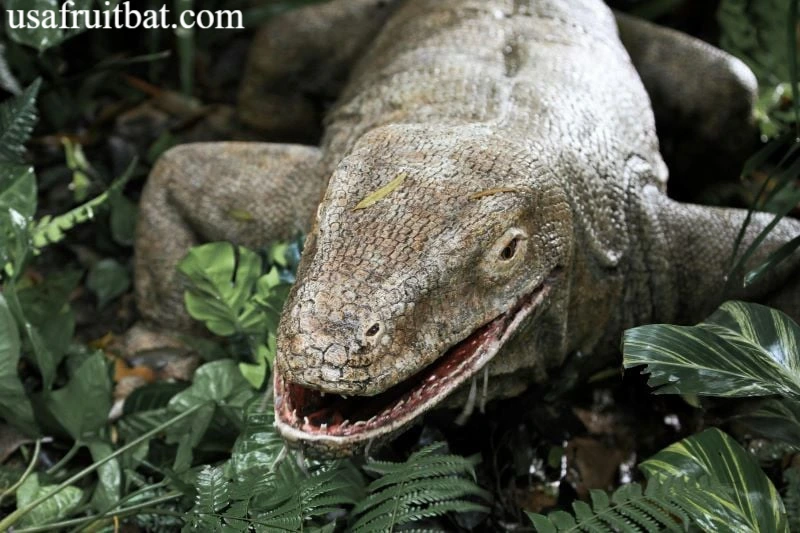
Komodo dragon teeth share some characteristics with the teeth of other meat-eating animals, but their specific shape reflects their own feeding strategy. Crocodile teeth, for example, are generally suited to gripping and holding prey, while Komodo dragon teeth have serrated cutting edges that help tear flesh. Both animals are powerful predators, but their dental structures work within different hunting and feeding systems.
Sharks provide another useful comparison because many species continuously replace their teeth. However, shark tooth shape varies widely according to diet, with some teeth adapted for slicing and others for crushing hard prey. Komodo dragons combine curved, serrated teeth with an unusual iron-rich coating, strong neck movements, and venom-associated adaptations. These features make their dental system a particularly interesting subject for evolutionary research.
Conservation and the Importance of Protecting Komodo Dragons
Komodo dragons face challenges associated with their limited geographic range, habitat changes, human activity, and shifts in prey availability. Protecting the ecosystems where they live is essential because healthy habitats provide food, shelter, and suitable conditions for reproduction. Conservation programs also help manage tourism and reduce potentially dangerous interactions between people and these powerful reptiles.
Scientific research into their anatomy, including their unusual tooth coating, helps improve our understanding of their evolutionary adaptations. Responsible wildlife tourism, protected habitats, and public education can all contribute to conservation. By learning how Komodo dragons survive and hunt, people can better appreciate why these remarkable reptiles deserve protection rather than being treated as exotic pets or animals to approach for photographs.
Conclusion
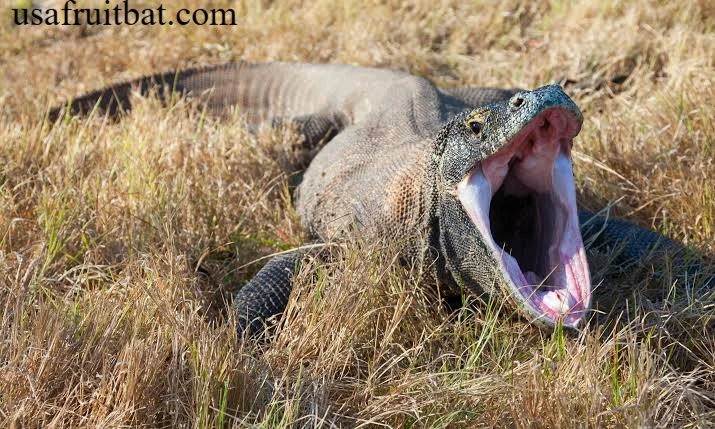
Komodo dragon teeth are remarkable examples of evolutionary specialization. Their curved, serrated shape helps them grip and tear flesh, while the discovery of concentrated iron along their cutting edges has revealed a previously underappreciated feature of their anatomy. Continuous tooth replacement further helps these predators maintain the tools they need to feed throughout their lives.
Their bite is dangerous because several adaptations work together, including sharp teeth, strong body movements, and venom-producing glands. Understanding these features provides a clearer picture of how Komodo dragons hunt and survive. Just as importantly, learning about their biology highlights the need to respect these powerful animals and protect the limited habitats in which they live.
Frequently Asked Questions
Why aren’t Komodo dragon teeth always visible? Their teeth may be difficult to see when the mouth is closed because the lips and surrounding tissues partly cover them.
Do Komodo dragons have iron-coated teeth? Yes, research published in 2024 identified concentrated iron along important cutting edges of their teeth, which may help preserve their serrated structure.
How sharp are Komodo dragon teeth? Their pointed, serrated teeth are highly effective at puncturing and tearing flesh during feeding.
Can a Komodo dragon bite kill a human? Yes, a bite can be fatal because of severe tissue damage, blood loss, and venom-related effects, so immediate emergency medical care is essential.
Do Komodo dragons have venom in their teeth? They have venom-producing glands, and venom can enter a wound during a bite; the teeth themselves do not produce venom.
How many teeth does a Komodo dragon have? Adults typically have around 60 serrated teeth, although the number can vary with age and tooth replacement.
Do Komodo dragons replace lost teeth? Yes, they can repeatedly replace teeth throughout life, helping maintain their ability to grip and tear prey.
Are Komodo dragon teeth similar to dinosaur teeth? Their serrated, curved teeth share features with those of some meat-eating dinosaurs, although similarities do not mean that their teeth were identical.
Also Read