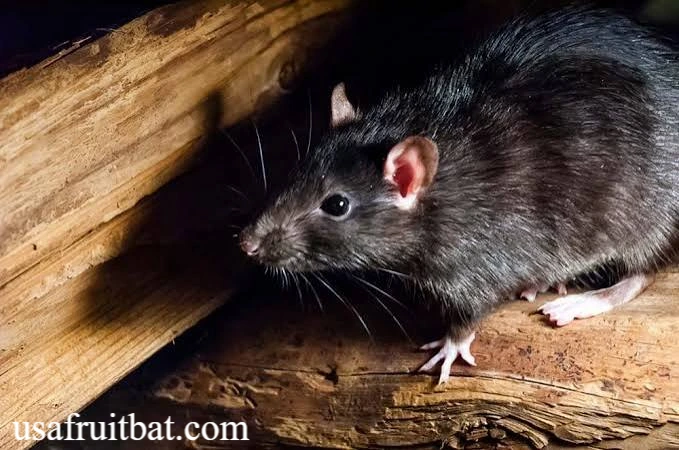
Wildlife can be fascinating outdoors, but when animals enter your attic, crawl space, garage, or walls, they can quickly become a serious household concern. Scratching noises, damaged insulation, unpleasant odors, and chewed wires are common warning signs that an unwanted visitor may have moved in. Professional wildlife removal helps homeowners identify the problem, address immediate risks, and reduce the chances of animals returning.
Critter Control is a wildlife removal service provider that helps homeowners address unwanted animal activity and protect their properties. Its services may include inspections, animal removal, exclusion, and repairs, depending on the local office and the situation. Understanding how these services work, reading customer reviews, and comparing local options can help you choose an appropriate solution for your home.
Understanding Critter Control and Professional Wildlife Removal
Wildlife control involves identifying animals that have entered a building, determining how they gained access, and choosing a suitable removal method. Common visitors include raccoons, squirrels, bats, mice, rats, skunks, and opossums. Each species behaves differently, so successful removal requires an understanding of animal habits, building conditions, and applicable wildlife regulations.
Professional Critter Control services can help homeowners investigate noises, droppings, damaged vents, disturbed insulation, and other signs of animal activity. A qualified technician can assess the affected area and recommend an appropriate response. Depending on the findings, the solution may involve removing an animal, sealing entry points after confirming the space is clear, or repairing damage that could allow future intrusions.
sourecs crittercontrol.com
Common Wildlife Problems in Residential Properties
Animals often enter homes while searching for food, shelter, warmth, or a safe place to raise their young. Small openings around rooflines, vents, chimneys, foundations, and utility pipes can provide convenient access. Once inside, animals may damage insulation, contaminate surfaces, chew building materials, or create persistent noises that disrupt sleep and everyday routines.
Some wildlife problems require more urgent attention than others. Damaged electrical wiring can create a fire risk, while accumulated droppings may pose health concerns. Bats and other potentially hazardous animals should never be handled without appropriate training and precautions. If you suspect an animal is living inside your home, avoid cornering it or blocking its escape route before a professional has assessed the situation.
Critter Control Services: What Homeowners Can Expect
The process generally begins with an inspection to identify the animal, locate possible entry points, and evaluate any visible damage. The technician may examine the attic, roofline, crawl space, vents, and other accessible areas. Based on the findings, the service provider can explain the recommended approach, estimated costs, and whether follow-up visits or structural repairs may be necessary.
Depending on the local provider and the animal involved, services may include removal, exclusion, sanitation, and damage repair. Exclusion focuses on preventing animals from entering or returning by securing appropriate openings. Before any opening is permanently sealed, professionals should confirm that animals are not trapped inside and consider whether dependent young may be present.
Common services to ask about include:
- Wildlife inspections and animal identification.
- Removal methods appropriate to the species and local regulations.
- Sealing vulnerable entry points and installing suitable barriers.
- Cleaning or repairing areas affected by animal activity.
- Follow-up inspections and recommendations for prevention.
Not every local office offers the same services or pricing, so confirm the details before booking.
Critter Control Reviews: Reputation and Customer Experiences
Reading Critter Control reviews can help homeowners understand how a local provider communicates, schedules appointments, explains costs, and handles wildlife problems. Reviews may describe experiences with inspections, animal removal, cleanup, or repairs. However, feedback can vary between locations because service quality depends on the individual team, the type of problem, and the scope of work requested.
For a balanced assessment, compare recent reviews across multiple platforms rather than relying on a single testimonial or overall rating. Look for specific descriptions of the work performed, whether the estimate was clear, and how the company responded when customers raised concerns. Also check whether the reviews refer to the local branch you plan to contact, since experiences in one city may not reflect another office.
Before hiring a provider, consider these factors:
- Clear explanations of recommended work and expected costs.
- Professional communication and appointment reliability.
- Relevant licensing, insurance, and wildlife-handling qualifications.
- Written details about repairs, follow-up visits, and guarantees.
- Consistent responses to customer questions or complaints.
Reviews are useful evidence, but they should support—not replace—your own questions and comparison of written estimates.
Critter Control Kansas City: Local Wildlife Removal
Homeowners searching for Critter Control Kansas City may be dealing with squirrels in an attic, raccoons near a roof, rodents inside walls, or other unwanted wildlife. The Kansas City metropolitan area spans Missouri and Kansas, so it is important to confirm that a provider serves your particular address. Service availability, travel charges, and local requirements can differ across the metropolitan region.
When evaluating a Kansas City provider, ask what its inspection covers and whether the estimate includes removal, entry-point repairs, cleanup, or additional visits. Check recent reviews for the specific office and confirm that the proposed methods comply with applicable state and local wildlife regulations. Seasonal animal activity and the construction of your property may influence the best approach, making an on-site assessment more useful than a generic estimate.
Critter Control Orlando: Protecting Homes From Wildlife
People searching for Critter Control Orlando may need help with animals entering roof spaces, garages, attics, or other sheltered areas. Florida’s warm climate and varied urban and suburban habitats create opportunities for wildlife to live close to residential properties. The type of animal, the building’s condition, and the time of year can all influence the nature of an intrusion.
When contacting a wildlife removal company in Orlando, ask whether it has experience with the specific animal involved and understands Florida’s wildlife rules. Bats, for example, can be subject to special handling restrictions, and removal methods may depend on the species and season. Confirm the proposed procedure, any necessary permits, the cost of exclusion work, and whether the company offers repairs to prevent animals from returning.
How Much Does Critter Control Cost?
The cost of wildlife removal depends on several factors, including the animal species, the size of the affected area, how difficult the animal is to access, and the amount of repair work required. A straightforward inspection and removal may involve less work than a situation requiring multiple visits, contaminated insulation removal, or extensive repairs to roof openings.
Rather than relying on an unverified price advertised online, request a written estimate from your local provider. Ask whether the quoted amount includes inspection, removal, exclusion materials, cleanup, and follow-up visits. If you obtain multiple estimates, compare the scope of work as well as the total price. A lower initial quote may not include the repairs or prevention measures needed to address the underlying problem.
| Cost factor | Why it matters |
|---|---|
| Animal species | Different animals require different handling methods |
| Accessibility | Roofs, chimneys, and confined spaces may require specialized equipment |
| Severity of intrusion | Larger or established infestations may need additional visits |
| Exclusion and repairs | Damaged vents, gaps, and roof openings may require repair |
| Cleanup | Droppings, contaminated materials, and damaged insulation may need attention |
| Follow-up service | Some situations require monitoring or additional work |
Always verify whether the inspection is free, whether the quote is binding, and what warranties or guarantees apply to the recommended work.
Humane Wildlife Removal and Safe Prevention
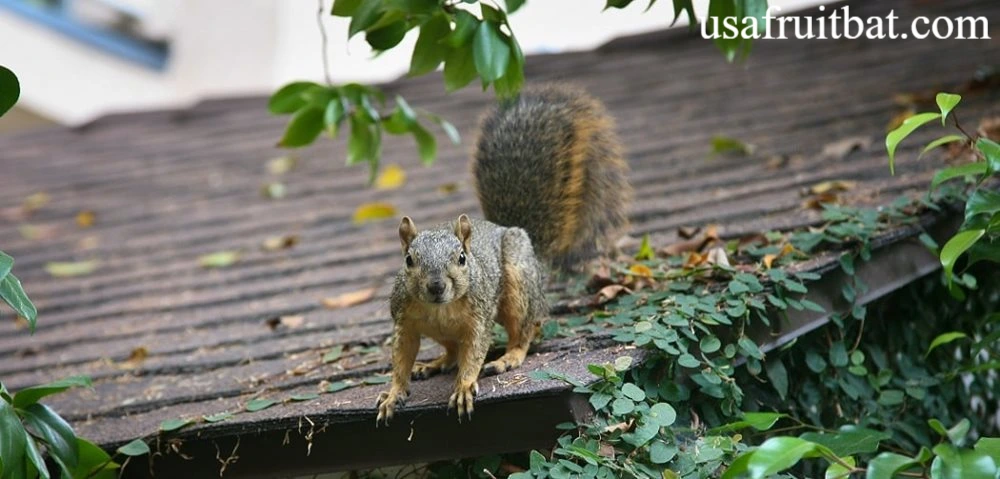
Responsible wildlife management aims to resolve animal intrusions while reducing unnecessary harm. The appropriate method depends on the species, the location, the presence of young, and local regulations. A trained professional can determine whether removal, exclusion, or another lawful approach is suitable. This is especially important when dealing with bats, skunks, or animals that may bite or carry diseases.
Homeowners can also reduce the likelihood of future problems by securing rubbish bins, limiting outdoor food sources, maintaining screens and vents, and repairing damaged rooflines. Avoid using improvised poisons or attempting to handle wild animals yourself. If an animal bites or scratches someone, or a person may have been exposed to a potentially rabid animal, seek prompt medical or public health guidance.
DIY Prevention vs. Professional Wildlife Control
Simple preventive maintenance can make a property less attractive to wildlife. Inspect visible gaps around the exterior, keep tree branches from providing easy roof access where practical, store pet food securely, and avoid leaving rubbish exposed overnight. These measures can reduce opportunities for animals to enter, although they will not resolve every existing intrusion.
Professional assistance is more appropriate when an animal is already inside the structure, the entry point is unclear, wiring or insulation may be damaged, or the species presents a safety concern. Never seal a suspected entry point without confirming that animals and dependent young are not trapped inside. A careful inspection can prevent additional damage and help identify the underlying reason the animal entered.
How to Choose the Right Wildlife Removal Company
Choosing a provider involves more than finding the nearest business or the lowest advertised price. Look for relevant experience, appropriate qualifications, insurance, transparent estimates, and a clear explanation of the proposed removal process. Ask how the company will identify entry points, prevent reentry, and handle any cleanup or repairs. These details help you judge whether the plan addresses the cause of the problem rather than only its visible symptoms.
Before making a booking, compare recent local reviews and confirm the office’s service area. Request written details about costs, follow-up visits, and any guarantees. If the company recommends trapping or exclusion, ask how it will protect animals and comply with local laws. A trustworthy provider should be willing to explain its approach and answer reasonable questions before work begins.
Conclusion: Protect Your Home With the Right Wildlife Control Solution
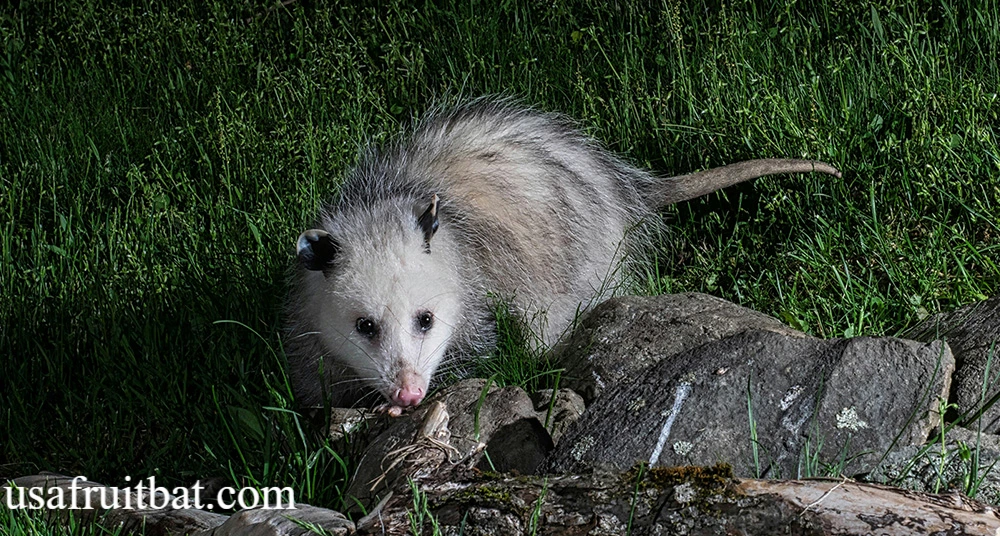
Unwanted wildlife can create noise, property damage, and safety concerns, but a careful response can help restore comfort to your home. Start by identifying the signs of animal activity, avoiding direct contact, and arranging a professional assessment when necessary. The right solution should address both the immediate intrusion and the openings or conditions that allowed the animal to enter.
Before choosing Critter Control or another wildlife removal provider, review recent local feedback, confirm available services, and compare written estimates. Homeowners in Kansas City, Orlando, and other service areas should also verify local regulations and the provider’s coverage. By prioritizing safe removal, transparent pricing, and effective prevention, you can make a more informed decision about protecting your property.
Frequently Asked Questions
What does Critter Control do? Critter Control provides wildlife management services that may include inspections, animal removal, exclusion, and repairs, depending on the local office.
Does Critter Control cost money? Costs depend on the animal, inspection requirements, removal method, property damage, and any additional repairs or follow-up visits.
Are Critter Control reviews reliable? Reviews can offer useful insight, but compare recent feedback from multiple sources and focus on the specific local office you plan to hire.
Is Critter Control available in Kansas City? Search the company’s official location directory and contact the relevant Missouri or Kansas office to confirm service coverage for your address.
Does Critter Control serve Orlando, Florida? Check the official company website or contact a local office to verify current availability and the wildlife services offered in Orlando.
What happens to animals after removal? The outcome depends on the species, the removal method, and applicable laws; ask the provider how animals will be handled and where permitted relocation or release may occur.
Can I remove wildlife from my attic myself? Avoid handling wild animals directly, and seek professional help if an animal is inside your home, poses a safety risk, or may be protected by law.
How can I prevent wildlife from returning? Secure rubbish and food sources, maintain roof vents and screens, repair entry points after confirming the space is clear, and follow professional prevention recommendations.