
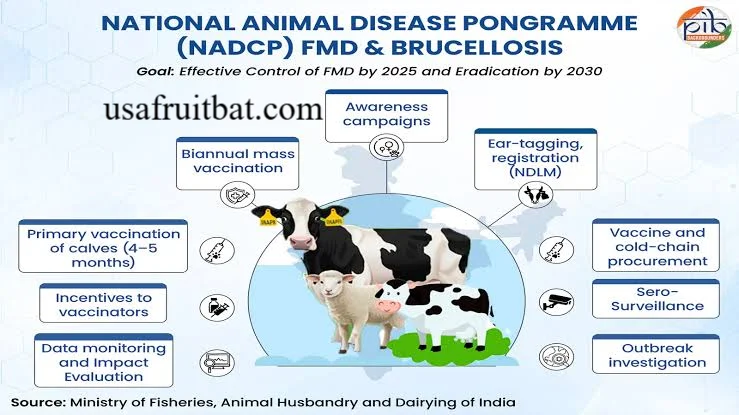
Brucelosis is a bacterial infection that affects animals and can also spread to humans. It is commonly associated with consuming unpasteurized dairy products or having direct contact with infected animals. Although the infection can cause prolonged illness, early diagnosis and appropriate antibiotic treatment can help most patients recover. Understanding how the disease spreads, recognizing its symptoms, and knowing how to prevent exposure are essential for protecting your health.
The infection is particularly important in communities where people work closely with livestock, consume raw milk products, or handle animal tissues. Farmers, veterinarians, livestock workers, and people involved in meat processing may face a higher risk of exposure. Learning about transmission, diagnosis, treatment, and prevention can help you make informed decisions and seek medical advice when necessary.
What Is Brucelosis?
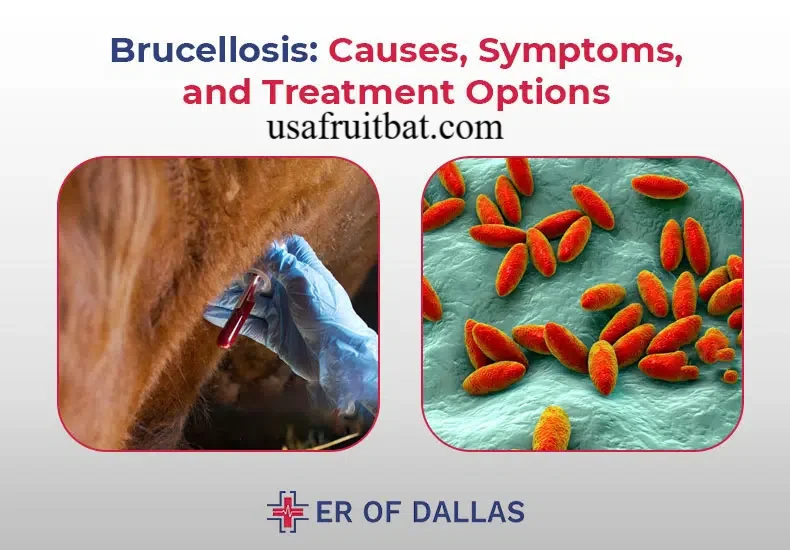
Brucelosis, more commonly spelled brucellosis in English medical literature, is an infectious disease caused by bacteria belonging to the Brucella genus. These bacteria primarily infect animals, including cattle, goats, sheep, pigs, and dogs. Humans can become infected through contaminated food, direct contact with infected animals, or exposure to infectious materials. The disease is also known as undulant fever because the fever may rise and fall over time.
The infection can affect several parts of the body, including the joints, bones, liver, and reproductive system. Symptoms may appear gradually, making the illness difficult to distinguish from influenza or other infections. Some people develop mild symptoms, while others experience prolonged fatigue, recurring fever, or serious complications. Prompt medical assessment is important whenever symptoms occur after possible exposure to infected animals or contaminated dairy products.
sourecs: my.clevelandclinic.org
Brucelosis in Humans: Symptoms and Warning Signs
Brucelosis en humanos can cause a range of symptoms, and their severity varies from person to person. Common signs include fever, night sweats, tiredness, headaches, muscle pain, joint discomfort, and reduced appetite. Some people also experience weight loss, chills, or general weakness. Symptoms may begin several days to several weeks after exposure, although the incubation period can sometimes be longer.
Because these symptoms overlap with many other illnesses, identifying the infection from symptoms alone is difficult. People who consume unpasteurized dairy products or work around livestock should tell their healthcare professional about these potential exposures. Seek medical advice if you develop a persistent or recurring fever after a possible exposure. Severe symptoms, including chest pain, confusion, or significant breathing difficulties, require urgent medical attention.
Early Symptoms to Recognize
Early symptoms can resemble a common viral illness, but they may persist or repeatedly return. A person might experience fever during the day, heavy sweating at night, headaches, and muscle aches that interfere with everyday activities. Joint or back pain may also develop, particularly as the infection continues.
Watch for symptoms such as:
- Recurring fever and chills.
- Night sweats and unusual fatigue.
- Muscle, back, or joint pain.
- Headaches and reduced appetite.
- Unexplained weight loss or general weakness.
These signs do not automatically indicate brucellosis. A healthcare professional can determine whether testing is necessary based on your symptoms and exposure history.
What Causes Brucelosis and How Does It Spread?
The disease develops after a person becomes infected with Brucella bacteria. One common route is eating or drinking contaminated animal products, especially raw milk and dairy products made without proper pasteurization. Direct contact with infected animals can also cause infection when bacteria enter through cuts in the skin, the eyes, or other mucous membranes. In some occupational settings, inhaling contaminated aerosols can also lead to infection.
People at increased risk include livestock farmers, veterinarians, abattoir workers, laboratory personnel, and people who handle animal birth materials. Human-to-human transmission is extremely rare, although exceptional routes have been reported. To reduce your risk, choose pasteurized dairy products, wash your hands after handling animals, and use suitable protective equipment when exposure to potentially infected materials is possible.
Brucelosis Diagnosis: Tests and Medical Evaluation
Diagnosing the infection requires a medical assessment rather than relying only on symptoms. A healthcare professional may ask about your occupation, recent travel, food consumption, contact with livestock, and any history of handling animal tissues. These details help determine whether the disease is a possibility and which tests may be appropriate.
Laboratory investigations can include blood tests for antibodies and cultures that attempt to identify the bacteria. Depending on the suspected complications, additional examinations or imaging may be needed. Always inform healthcare professionals and laboratory staff if brucellosis is suspected because the bacteria can pose an occupational exposure risk during laboratory handling. Early, accurate diagnosis helps clinicians choose suitable treatment and monitor recovery.
Brucelosis Treatment: Is It Curable?
Brucellosis is generally treatable with appropriate antibiotics, and many patients recover when the infection is diagnosed and managed correctly. Treatment commonly involves a combination of antibiotics taken for several weeks. The exact medicines and duration depend on factors such as the patient’s age, pregnancy status, infection severity, affected organs, and other medical conditions. A clinician must determine the safest treatment plan for each individual.
It is important to complete the prescribed course, even if symptoms improve before the medication ends. Stopping treatment early or taking unsuitable antibiotics can increase the risk of treatment failure or relapse. Some patients need longer treatment and additional monitoring if the infection affects the bones, joints, heart, or nervous system. Never self-medicate with antibiotics, and contact your healthcare professional if symptoms persist or return.
Brucelosis Skin Symptoms and Lesions
Skin manifestations are not among the most common features of the infection, but some affected individuals may develop rashes or other inflammatory skin changes. Searches for brucelosis piel and brucelosis lesiones en piel often reflect concerns about whether the infection can cause visible skin problems. Although such manifestations have been reported, they are not specific to brucellosis and can occur with many other conditions.
A rash or skin lesion alone cannot confirm the diagnosis. If skin changes appear alongside recurring fever, night sweats, joint pain, or a history of exposure to infected animals, seek medical assessment. A clinician may examine the affected skin and recommend laboratory testing when appropriate. Avoid assuming that every unexplained rash is related to this infection, and do not delay care when symptoms worsen.
Long-Term Effects and Possible Complications
Some people experience lingering fatigue, joint pain, or other symptoms even after beginning treatment. In certain cases, the infection can affect the bones and joints, causing inflammation or persistent discomfort. Less commonly, complications can involve the nervous system, heart, liver, or reproductive organs. These problems may require specialized medical care and a longer treatment course.
Persistent symptoms do not always mean that the infection remains active, so medical follow-up is important. Clinicians may assess whether symptoms reflect recovery, a complication, another illness, or a relapse. People should report recurring fever or worsening pain rather than restarting antibiotics independently. Timely evaluation can help identify complications and support an appropriate recovery plan.
Brucelosis in Animals: Cattle, Pigs, and Dogs
Animals are the main reservoir of the bacteria responsible for brucellosis, which makes veterinary health and livestock management important parts of prevention. Infected animals may show reproductive problems, reduced fertility, pregnancy loss, or other signs, although some animals have few obvious symptoms. Veterinary testing is necessary because outward appearance alone cannot reliably determine whether an animal is infected.
Different Brucella species are associated with different animals. For example, Brucella abortus is commonly associated with cattle, Brucella suis with pigs, and Brucella canis with dogs. Infected animals can create risks for other animals and, in certain circumstances, people. Farmers and pet owners should follow veterinary guidance, maintain suitable hygiene, and comply with local disease-control requirements.
Brucelosis in Cows and Cattle
Brucellosis in cattle can cause abortions, particularly during later pregnancy, along with retained placentas, reduced fertility, and other reproductive problems. Some infected animals may appear healthy, allowing the bacteria to spread within a herd without obvious warning signs. The infection can also have financial consequences for farmers because of reproductive losses, testing requirements, and restrictions imposed under disease-control programs.
Veterinary authorities may recommend testing, herd monitoring, vaccination where approved, and measures to manage infected animals. Milk safety is also essential because contaminated raw milk can transmit infection to humans. Farmers should avoid handling animal birth materials without suitable protective equipment and should seek veterinary advice when unusual abortions or reproductive problems occur.
Brucelosis in Pigs and Jalisco, Mexico
Swine brucellosis is associated particularly with Brucella suis and may cause infertility, abortions, reproductive disorders, or infection in other tissues. The disease can affect breeding operations and create occupational risks for people who handle infected pigs or reproductive materials. Since infected animals do not always show obvious symptoms, appropriate veterinary testing and biosecurity procedures are important.
Searches for brucelosis porcina Jalisco and brucelosis porcina Jalisco Mexico may reflect interest in regional livestock disease information. However, current infection status, reporting requirements, and control measures should be verified with official Mexican animal-health authorities. Producers should follow applicable testing and animal-movement rules rather than relying on unverified online reports.
Brucelosis in Dogs
Canine brucellosis is commonly associated with Brucella canis, a bacterium that can affect the reproductive system and other tissues. In dogs, infection may lead to infertility, pregnancy loss, stillbirths, or inflammation involving reproductive organs. Some dogs may show few visible symptoms, so veterinary testing can be important, especially in breeding environments or when reproductive problems occur repeatedly.
People handling infected dogs, birth fluids, placentas, or reproductive tissues should follow veterinary hygiene advice because transmission to humans, although uncommon, is possible. Veterinarians can recommend suitable tests, management strategies, and precautions for other animals and household members. If infection is suspected, avoid breeding the animal until a veterinarian has evaluated the situation and provided guidance.
Brucelosis and Tuberculosis: Key Differences
Brucellosis and tuberculosis are separate bacterial infections, but their symptoms can overlap. Both may cause fever, fatigue, sweating, and weight loss, which means clinical symptoms alone may not reliably distinguish them. Brucellosis is caused by Brucella bacteria and is often associated with infected animals or contaminated dairy products. Tuberculosis is caused by bacteria in the Mycobacterium tuberculosis complex and most often spreads through the air when someone with infectious tuberculosis releases bacteria into the environment.
Diagnosis and treatment differ between the two diseases. Clinicians use the patient’s symptoms, exposure history, and appropriate laboratory tests to identify the cause. Both infections can become serious without proper care, but their medications and treatment schedules are not interchangeable. Anyone with persistent fever, unexplained weight loss, or a possible exposure should seek medical advice instead of attempting to diagnose the illness independently.
How to Prevent Brucelosis
Prevention focuses on reducing exposure to infected animals and contaminated animal products. For most consumers, one of the most effective precautions is choosing pasteurized milk and dairy products. People working with livestock should use suitable protective equipment and follow hygiene procedures, particularly when handling blood, placentas, aborted fetuses, or other potentially infectious materials.
Practical prevention measures include:
- Choose pasteurized milk, cheese, and other dairy products.
- Avoid consuming raw dairy products from uncertain sources.
- Wash hands thoroughly after contact with livestock or animal materials.
- Wear appropriate gloves and protective clothing when occupational exposure is possible.
- Follow veterinary testing and herd-management recommendations.
- Seek professional advice after significant exposure or if symptoms develop.
Animal-health programs, surveillance, and reporting systems also help limit the spread of infection. Specific rules vary by location, so farmers and livestock handlers should consult local veterinary authorities for current requirements.
Brucelosis Regulations and Official Disease-Control Standards
Disease-control regulations help authorities monitor infections, protect livestock, and reduce the risk of transmission to humans. Depending on the country, requirements may cover animal testing, reporting suspected cases, movement of livestock, vaccination programs, and management of infected herds. These measures are especially important in agricultural regions where animals and people have frequent contact.
Anyone searching for a norma de brucelosis should identify the relevant country, state, or province before relying on a particular rule. Requirements can change and may differ between cattle, pigs, dogs, and other animals. Consult the appropriate veterinary or public-health authority for current guidance, especially when managing a suspected outbreak or operating a livestock business.
When Should You See a Doctor or Veterinarian?
Seek medical advice if you develop recurring fever, night sweats, unusual fatigue, or joint pain after consuming unpasteurized dairy products or having contact with potentially infected animals. Tell the clinician about your exposure history, even if the contact happened several weeks earlier. Prompt assessment is particularly important if symptoms persist, return after treatment, or suggest complications involving the heart or nervous system.
Livestock owners should contact a veterinarian if animals experience unexplained abortions, infertility, or other reproductive problems that could indicate infection. Avoid handling potentially infectious materials without protection, and follow professional instructions for testing and containment. Early recognition and appropriate management help protect individual health, animal welfare, and the wider community.
Conclusion
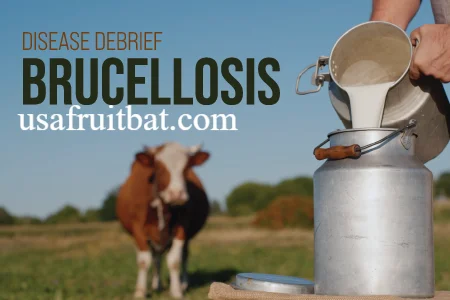
Brucelosis is a preventable and generally treatable bacterial infection that connects human health with animal health and food safety. Understanding its symptoms, transmission routes, diagnostic tests, and treatment options can help people recognize risks and seek appropriate care. Safe dairy choices, proper hygiene, protective equipment, and veterinary monitoring remain important ways to reduce exposure.
If you suspect infection, consult a healthcare professional rather than relying on symptoms or attempting treatment yourself. Farmers and pet owners should also seek veterinary advice when animal infection is possible. Early diagnosis, a complete prescribed treatment course, and suitable prevention measures can help reduce complications and limit further transmission.
Frequently Asked Questions
What is brucelosis?
Brucelosis, commonly spelled brucellosis in English, is a bacterial infection that spreads from infected animals to humans, often through contaminated dairy products or direct contact.
What are the first symptoms of brucelosis in humans?
Early symptoms may include fever, night sweats, fatigue, headaches, muscle aches, joint pain, chills, and reduced appetite.
How does brucelosis spread to humans?
People can become infected by consuming unpasteurized dairy products, handling infected animals or their tissues, or inhaling contaminated aerosols in certain settings.
Is brucelosis curable?
Yes, it is generally treatable with prescribed antibiotics, although some cases require prolonged treatment or management of complications.
Can brucelosis cause skin lesions?
Skin rashes or lesions may occur in some cases, but they are uncommon and cannot confirm the infection without medical assessment.
What are the long-term effects of brucelosis?
Possible effects include lingering fatigue, joint pain, and, in complicated cases, problems involving the bones, nervous system, or heart.
Can dogs and cattle transmit brucelosis to humans?
Yes, certain Brucella species found in dogs and cattle can infect humans, particularly through contact with infected reproductive materials or contaminated animal products.
What is the difference between brucelosis and tuberculosis?
Brucelosis is commonly linked to infected animals and contaminated dairy products, while tuberculosis most often spreads through the air; the diseases also require different treatment regimens.