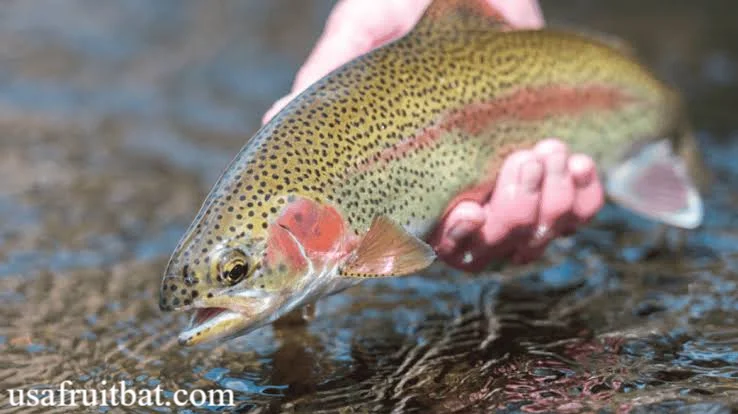
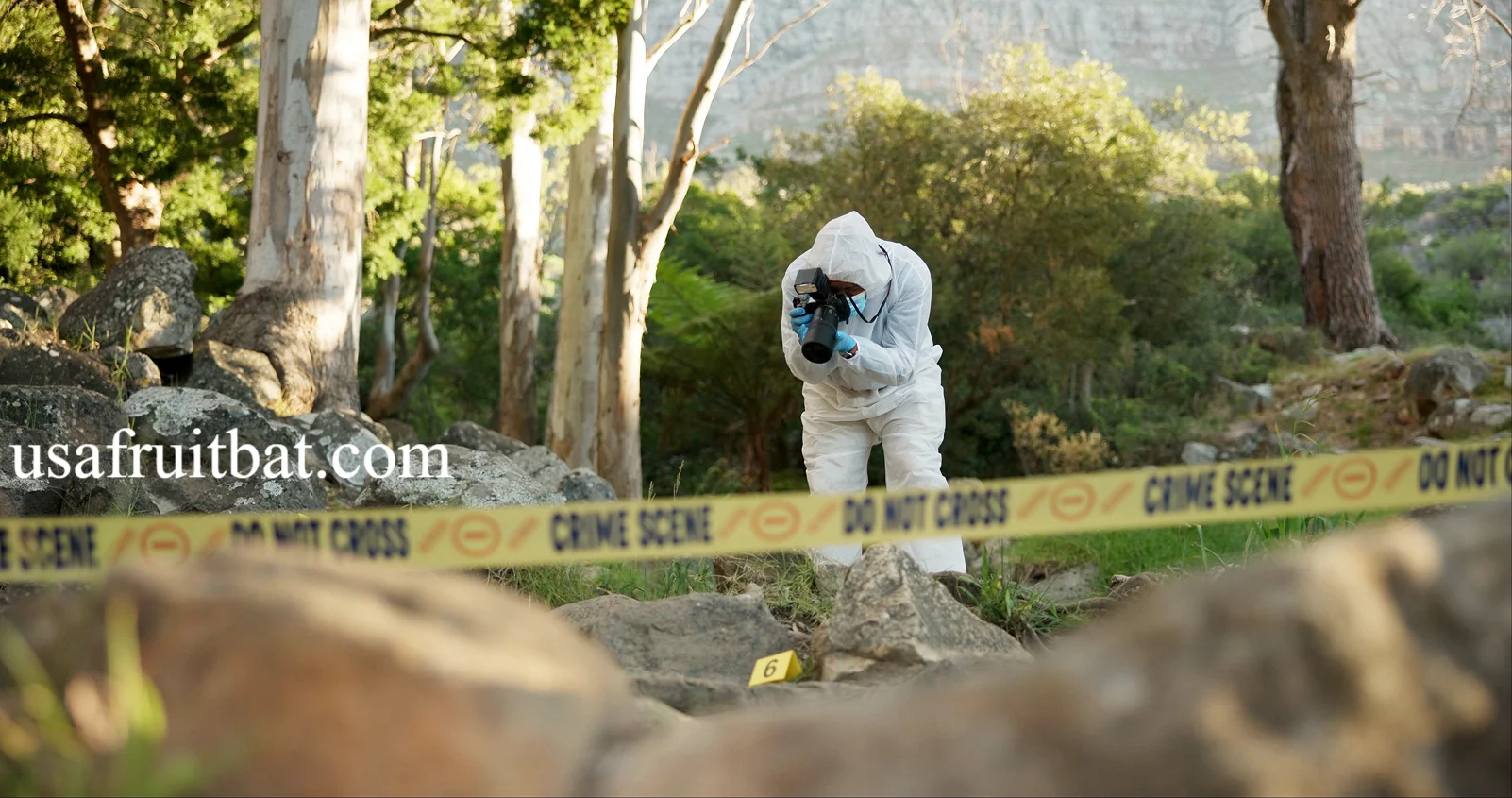
Wildlife crime investigation is an important part of protecting endangered species, preserving natural habitats, and stopping illegal activities that threaten biodiversity. From investigating poaching incidents to uncovering international wildlife trafficking networks, these professionals help ensure that wildlife protection laws are enforced and criminal activity is properly documented.
A wildlife crime investigator combines investigative thinking, knowledge of animals, and an understanding of law enforcement procedures to uncover offenses that might otherwise go unnoticed. The career can involve fieldwork, evidence analysis, interviews, intelligence gathering, and cooperation with conservation specialists. Whether you are exploring this profession as a career or simply want to understand how wildlife crime is investigated, learning about its responsibilities, essential skills, and training pathways provides a useful starting point.
What Is a Wildlife Crime Investigator?
A wildlife crime investigator examines suspected offenses involving wild animals, protected plants, natural habitats, and illegal wildlife trade. Depending on the organization and local laws, the role may involve investigating unlawful hunting, animal trafficking, the possession of protected species, or the sale of products made from endangered animals. Investigators gather information, assess evidence, identify potential suspects, and help enforcement agencies determine whether a violation has occurred.
These professionals may work for government wildlife departments, specialist police units, environmental agencies, or conservation organizations. Their authority varies by employer and jurisdiction. Some investigators have legal powers to conduct formal criminal investigations, while others gather intelligence, support field officers, or provide scientific expertise. Regardless of their position, their work helps connect wildlife conservation with accountability, ensuring that suspected crimes receive appropriate attention.
sourecs: unity.edu
Key Roles and Responsibilities of a Wildlife Crime Investigator
The daily responsibilities of a wildlife crime investigator depend on the type of case, the available resources, and the laws governing the area. An investigation might begin with a report from a member of the public, a suspicious online advertisement, information from a wildlife ranger, or evidence discovered during a routine inspection. Investigators assess the information carefully before deciding which investigative steps are appropriate.
Evidence collection is another central responsibility. Professionals may document a scene, photograph physical evidence, interview witnesses, examine records, and coordinate with forensic specialists. They must record their findings accurately and preserve evidence so it can be examined later or presented in legal proceedings. Cooperation with police, customs officials, veterinarians, and conservation experts can be essential, especially when a case involves multiple locations or protected species.
Typical responsibilities include:
- Investigating suspected poaching and illegal wildlife trade.
- Recording crime scenes and preserving relevant evidence.
- Interviewing witnesses and collecting reliable statements.
- Coordinating with wildlife experts and forensic laboratories.
- Preparing investigation reports and maintaining accurate records.
- Supporting prosecutions and other lawful enforcement actions.
- Sharing intelligence with authorized agencies when cases cross borders.
Essential Skills Every Wildlife Crime Investigator Needs
Strong investigative skills are essential because wildlife offenses are not always easy to detect. An investigator must recognize inconsistencies, assess information objectively, and identify evidence that may establish what happened. Attention to detail is particularly important when examining animal remains, tracking suspicious shipments, reviewing photographs, or documenting signs of illegal hunting. Critical thinking also helps professionals distinguish reliable evidence from assumptions.
Communication and teamwork are equally valuable. Investigators regularly exchange information with law enforcement officers, local communities, conservation workers, scientists, and legal professionals. They may need to explain technical findings clearly or interview people who have different levels of knowledge about wildlife protection. Physical fitness, patience, ethical judgment, digital literacy, and the ability to work safely in challenging environments can also improve performance in the field.
How to Become a Wildlife Crime Investigator
Becoming a wildlife crime investigator usually requires a combination of relevant education, practical experience, and specialist training. Useful academic backgrounds include zoology, wildlife biology, environmental science, criminology, criminal justice, and law enforcement. However, there is no single qualification that applies to every position. Some employers recruit experienced officers and provide specialist training, while others value scientific expertise, inspection experience, or knowledge of conservation legislation.
A practical route into the profession is to build relevant experience before applying for suitable vacancies. Volunteering with reputable conservation organizations, participating in wildlife research, or assisting with environmental monitoring can help develop useful skills. You should also research recruitment requirements in your country, because formal enforcement positions may require background checks, physical assessments, driving qualifications, or specific legal credentials. For example, the U.S. Fish and Wildlife Service has distinct requirements and training pathways for special agents and wildlife inspectors.
Wildlife Crime Law Enforcement Training and Qualifications
Wildlife crime law enforcement training prepares professionals to handle investigations responsibly and within the law. Depending on the program, subjects may include criminal investigation procedures, interviewing techniques, wildlife identification, crime scene documentation, evidence preservation, and report writing. Specialist training can also cover illegal wildlife trade, intelligence analysis, and cooperation between agencies. These subjects help investigators understand how to turn initial suspicions into properly documented cases that can withstand legal scrutiny.
Training requirements differ significantly between countries, agencies, and job titles. In the United States, for instance, federal special agents receive criminal investigation training followed by wildlife-specific instruction and supervised field experience. Other organizations may provide short courses, workshops, or advanced professional development for existing officers. Before enrolling in a program, check whether it is recognized by relevant employers and whether it provides practical instruction suited to your intended career.
Choosing the Right Wildlife Crime Course
A wildlife crime course can introduce beginners to conservation law, illegal wildlife trade, investigative methods, and the challenges of protecting threatened species. Online courses may be convenient for learners who want to explore the subject before committing to a formal qualification. University modules and professional workshops may offer deeper academic knowledge or practical exercises. The most suitable option depends on your current experience, career goals, available budget, and the requirements of employers in your region.
Before selecting a course, review its syllabus, instructor credentials, learning format, and assessment methods. Look for subjects such as species identification, wildlife legislation, forensic evidence, intelligence gathering, and ethical investigation. If you want to enter an enforcement role, remember that completing an online course does not automatically grant police powers or qualify you for a specialist position. A recognized qualification combined with relevant experience and employer-specific training is often a more effective route toward professional development.
Common Types of Wildlife Crimes Investigators Investigate
Wildlife offenses can occur in forests, protected areas, farms, markets, airports, seaports, and online marketplaces. Some cases involve individual offenders, while others form part of organized networks that capture, transport, process, or sell protected animals and plants. Investigators must understand the relevant laws and establish the facts of each case before drawing conclusions. Because wildlife regulations vary by location, an activity may be legal in one context but prohibited in another.
Common categories of wildlife crime include:
- Poaching and illegal hunting of protected animals.
- Trafficking in live wildlife, animal parts, or protected plants.
- Illegal possession, breeding, or commercial sale of regulated species.
- Smuggling wildlife products across national borders.
- Poisoning or unlawfully killing protected animals.
- Violations involving protected habitats or other environmental regulations.
Some investigations also reveal links to document fraud, corruption, money laundering, or other criminal activities. International cooperation is particularly important when wildlife passes through multiple countries before reaching buyers. INTERPOL supports cross-border coordination and intelligence sharing to help agencies target the networks behind illegal wildlife trade.
Tools and Techniques Used in Wildlife Investigations
Modern wildlife investigations combine traditional fieldwork with scientific analysis and digital research. Depending on the case, investigators may use cameras, GPS equipment, photographs, records, and observations from wildlife officers to understand where an offense occurred. Digital evidence may include online advertisements, transaction records, messages, or shipping documentation obtained through lawful procedures. Each source must be evaluated carefully because incomplete or misleading information can lead investigators toward incorrect conclusions.
Forensic specialists can help identify the species associated with animal remains, determine possible causes of death, and compare physical evidence from different sources. DNA analysis and other laboratory methods may establish links that are difficult to confirm through visual examination alone. Investigators must also document how evidence was collected, stored, transferred, and analyzed. These procedures help preserve reliability and allow courts or other authorized decision-makers to assess the findings.
Challenges Faced by Wildlife Crime Investigators
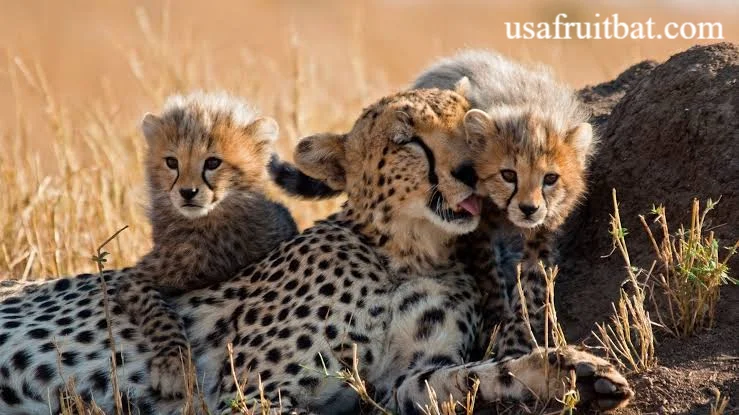
Investigating wildlife offenses can be difficult because evidence is often scattered across large areas or discovered long after an incident has occurred. Remote locations may have limited communication, difficult terrain, and few available resources. Witnesses may be reluctant to provide information, while physical evidence can deteriorate quickly. Investigators must therefore plan carefully, prioritize safety, and work with local communities and specialists who understand the environment and the species involved.
Cases involving international trafficking can be even more complex. Different countries may have different laws, investigative procedures, and standards for handling evidence. Organized criminal networks may conceal transactions through intermediaries or false documentation. Effective investigations depend on careful intelligence analysis, secure information sharing, and coordination among authorized agencies. These challenges make continuing education, professional judgment, and international partnerships essential to successful efforts to combat wildlife crime.
Why Combating Wildlife Crime Matters
Wildlife crime can threaten endangered species, disrupt ecosystems, and undermine conservation programs. When animals are illegally removed from their habitats, their populations may decline, affecting food chains and the natural balance of an ecosystem. Illegal trade can also create animal welfare problems and weaken legitimate conservation initiatives. Investigating these offenses helps authorities identify violations, collect evidence, and take appropriate action under applicable wildlife protection laws.
Combating wildlife crime requires more than investigations alone. Governments, conservation organizations, researchers, border officials, and local communities all have important roles to play. Public awareness can discourage the purchase of illegal wildlife products, while responsible reporting can help authorities identify suspicious activities. International organizations such as INTERPOL support cooperation between countries because trafficking networks frequently cross borders. Coordinated enforcement, informed communities, and sustained conservation work together to reduce opportunities for wildlife exploitation.
Career Opportunities and Professional Growth
Career opportunities in this field extend beyond traditional investigative positions. Depending on your qualifications, you might work in wildlife inspection, criminal investigation, forensic science, intelligence analysis, conservation research, environmental compliance, or specialist anti-trafficking programs. Government agencies may employ officers who investigate suspected offenses, while laboratories need scientific professionals to examine evidence. Conservation organizations may also recruit people to support intelligence gathering, research, training, or collaboration with enforcement partners.
To build a career, monitor official recruitment websites and review the qualifications listed for each position. Seek internships, relevant volunteer experience, and recognized training that develops practical skills. Professionals already working in law enforcement or conservation may be able to progress into specialist investigations through additional education and field experience. Salaries, job availability, promotion opportunities, and legal authority vary considerably by country and employer, so check current local vacancy announcements instead of relying on a single global salary estimate.
Conclusion
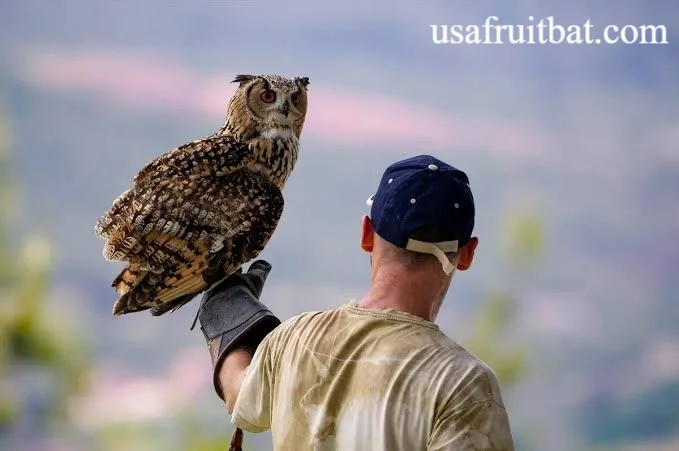
A wildlife crime investigator plays an important role in protecting biodiversity by examining suspected offenses, collecting reliable evidence, and supporting the enforcement of wildlife protection laws. The work requires investigative ability, scientific awareness, ethical judgment, clear communication, and a willingness to cooperate with different professionals. Although the job can involve difficult field conditions and complex cases, it offers a meaningful way to contribute to wildlife conservation and environmental protection.
If you are considering this career, begin by exploring relevant educational pathways, gaining practical experience, and researching specialist training opportunities. Choose courses that align with your goals, and check the legal and recruitment requirements in your country. With the right preparation and a commitment to responsible investigation, you can develop skills that support efforts to prevent illegal wildlife trade and protect vulnerable species for future generations.
Frequently Asked Questions
What does a wildlife crime investigator do? A wildlife crime investigator examines suspected wildlife offenses, collects evidence, interviews witnesses, and supports lawful enforcement action.
How do I become a wildlife crime investigator? Study a relevant subject, gain conservation or law enforcement experience, and complete the specialist training required by your chosen employer.
What qualifications are needed for wildlife crime investigation? Qualifications vary, but degrees in wildlife biology, zoology, criminology, environmental science, or criminal justice may be useful.
What skills are important for wildlife crime investigators? Observation, critical thinking, communication, evidence handling, legal knowledge, and an understanding of wildlife are valuable skills.
What is wildlife crime law enforcement training? It is specialist training that develops knowledge of wildlife legislation, investigative procedures, evidence collection, and enforcement practices.
Can I take a wildlife crime course online? Yes, some providers offer online learning, but you should verify the course content, credibility, and relevance to your career goals.
Where do wildlife crime investigators work? They may work for government wildlife agencies, police departments, customs services, forensic laboratories, or conservation organizations.
Why is combating wildlife crime important? It helps protect endangered species, preserve biodiversity, disrupt illegal wildlife trafficking, and support the enforcement of conservation laws.
Also Read