Introduction
What exactly is a megabat? If you picture a scary, blood sucking creature, you are picturing the wrong animal. A megabat is actually one of nature’s gentlest giants. It eats fruit, pollinates flowers, and helps entire forests grow. In this article, you will learn what makes a megabat unique, where it lives, what it eats, and why scientists consider it so important for our planet.
This guide covers everything you need to know about the megabat family. You will find clear answers, quick facts, comparison tables, and a full FAQ section at the end. By the time you finish reading, you will understand why the megabat deserves more respect than fear.
What Is A Megabat?
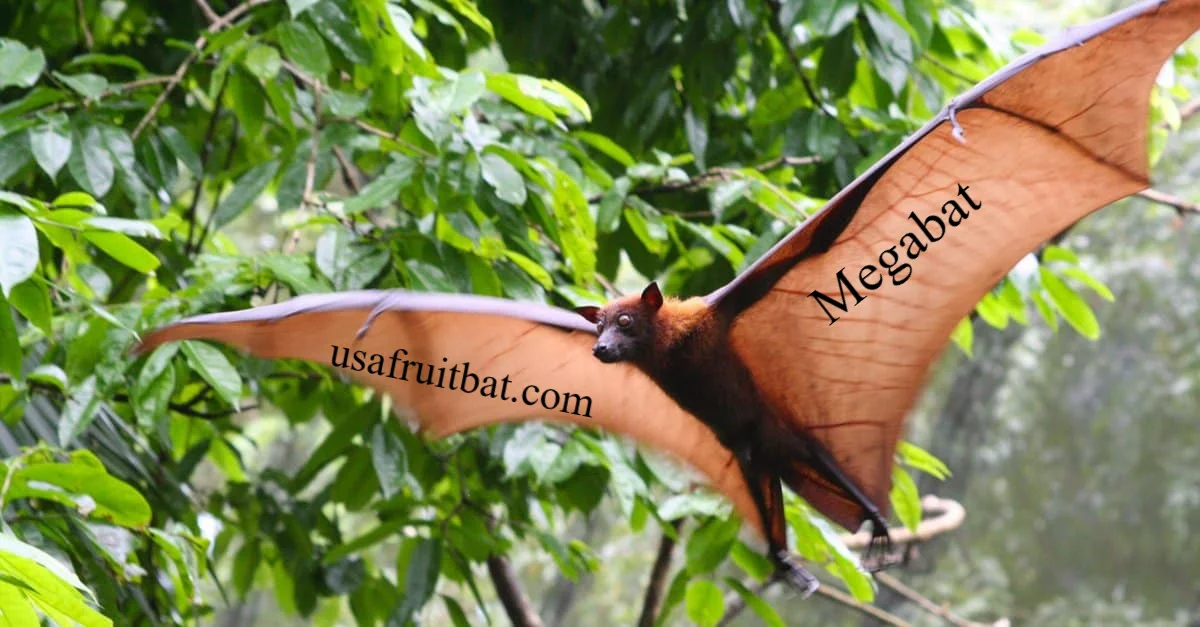
A megabat belongs to the family Pteropodidae. This family includes fruit bats and flying foxes found across Africa, Asia, and Australia. Unlike its smaller cousins, the megabat relies mostly on sight and smell instead of echolocation.
You might be surprised to learn that a megabat can have a wingspan of up to 1.7 meters. That is wider than most adult humans are tall. Despite this large size, a megabat is completely harmless to people in almost every situation.
Megabat Vs Microbat: What Is The Difference?
People often confuse a megabat with a microbat, but the two are quite different animals.
| Feature | Megabat | Microbat |
|---|---|---|
| Size | Larger, up to 1.7m wingspan | Smaller, often under 30cm wingspan |
| Diet | Fruit, nectar, pollen | Insects, sometimes blood or fish |
| Navigation | Sight and smell | Echolocation |
| Habitat | Tropical forests, caves, trees | Worldwide, including cold climates |
| Eyes | Large and well developed | Small, less relied upon |
This table shows why a megabat behaves so differently from other bat species. A megabat trusts its eyes the way you trust yours while walking through a room at night with the lights on.
Where Does A Megabat Live?
A megabat prefers warm, tropical regions. You will mostly find this animal in these areas:
- Southeast Asia, including Indonesia and the Philippines
- Sub Saharan Africa
- Australia and Pacific Islands
- Parts of the Middle East near coastal forests
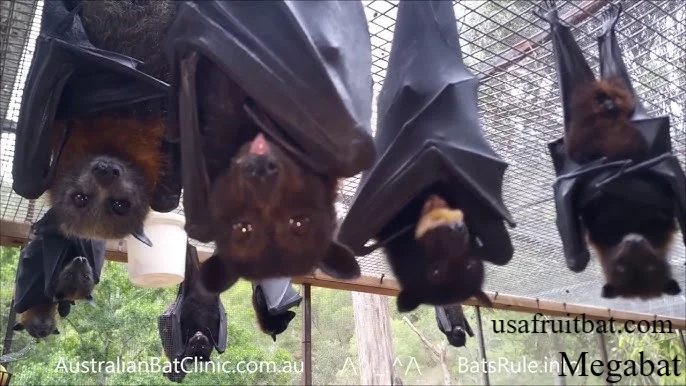
A megabat usually roosts in large colonies. Some colonies contain thousands of individuals hanging together in trees. If you ever visit a tropical forest at dusk, you might see an entire sky filled with megabats flying out to feed.
What Does A Megabat Eat?
A megabat follows a diet very different from smaller bats. It mainly eats:
- Ripe fruit like figs, mangoes, and bananas
- Flower nectar
- Pollen
- Occasionally soft leaves
Because of this diet, people often call a megabat a fruit bat. I find this part fascinating. A single megabat can travel many kilometers in one night just to find ripe fruit. This travel habit makes the megabat an incredible seed spreader across forests.
Why Is The Megabat Important To The Environment?
You might wonder why a fruit eating bat matters so much. The answer lies in pollination and seed dispersal.
A megabat pollinates many plants that humans depend on, including durian, mango, and banana crops. Farmers in parts of Asia report noticeably lower fruit yields in areas where megabat populations have declined. Conservation researchers have noted similar patterns across several tropical fruit farming regions in recent years.
Without a healthy megabat population, entire forest ecosystems can struggle to regenerate. This is why wildlife experts often describe the megabat as a keystone species.
Megabat Size And Physical Features
A megabat has some unique physical traits that set it apart from other mammals.
- Large eyes suited for night vision
- Strong sense of smell for locating fruit
- No tail, unlike most microbats
- Fox like face, which is why some species are called flying foxes
- Wingspan reaching up to 1.7 meters in the largest species
The largest known megabat species is the giant golden crowned flying fox. This megabat can weigh over 1.2 kilograms, making it one of the heaviest bats on earth.
Is A Megabat Dangerous To Humans?
This question comes up often, so let us answer it directly. A megabat rarely attacks humans and does not seek out human contact. Most conflict happens only when a megabat feels cornered or threatened.
However, like many wild mammals, a megabat can carry certain viruses. Health experts recommend avoiding direct contact with any wild megabat, especially if it appears sick or injured. You should never try to touch or handle a megabat with bare hands.
How Long Does A Megabat Live?
A megabat generally has a longer lifespan than most people expect. In the wild, a megabat can live between 15 and 20 years. In protected environments such as sanctuaries, some individuals have lived even longer thanks to reduced predator risk and consistent food access.
Megabat Conservation Status
Many megabat species now face serious threats. Habitat loss, hunting, and climate change all put pressure on wild populations.
According to wildlife conservation groups, several megabat species are currently listed as vulnerable or near threatened. Deforestation remains the biggest challenge, since a megabat depends heavily on large trees for both roosting and feeding.
Conservationists suggest a few practical steps to help protect the megabat:
- Support organizations working on tropical forest preservation
- Avoid disturbing known megabat roosting sites
- Report injured megabats to local wildlife rescue centers
- Spread accurate information instead of fear based myths
Quick Megabat Facts Table
| Fact | Detail |
|---|---|
| Family | Pteropodidae |
| Diet | Fruit, nectar, pollen |
| Wingspan | Up to 1.7 meters |
| Lifespan | 15 to 20 years in the wild |
| Navigation | Sight and smell |
| Habitat | Tropical Asia, Africa, Australia |
| Conservation Status | Several species vulnerable |
Final Thoughts
The megabat is far from the frightening creature many people imagine. It plays a gentle yet powerful role in keeping tropical forests alive and thriving. From pollinating flowers to spreading seeds across vast distances, a megabat quietly supports ecosystems that millions of people rely on.
Next time you see a bat gliding across a warm evening sky, take a moment to appreciate it. That animal might just be a megabat, working hard to keep nature in balance. If you found this article helpful, consider sharing it with someone who still fears these amazing creatures.
Frequently Asked Questions
What is a megabat? A megabat is a large fruit eating bat belonging to the family Pteropodidae, found mainly in tropical regions.
Is a megabat the same as a flying fox? Yes, many megabat species are commonly called flying foxes because of their fox like facial features.
What does a megabat eat? A megabat mainly eats fruit, nectar, and pollen rather than insects or blood.
How big can a megabat get? Some megabat species reach a wingspan of up to 1.7 meters, making them among the largest bats on earth.
Does a megabat use echolocation? Most megabat species rely on sight and smell instead of echolocation, unlike smaller microbats.
Is a megabat dangerous? A megabat is generally harmless and avoids human contact, though direct handling should always be avoided.
Where can you find a megabat? You can find a megabat across tropical regions of Asia, Africa, and Australia.
How long does a megabat live? A megabat typically lives between 15 and 20 years in the wild.
Why is the megabat important for forests? A megabat helps pollinate flowers and spread seeds, supporting the growth of tropical forest ecosystems.
Are megabats endangered? Several megabat species are currently listed as vulnerable due to habitat loss and hunting pressure.
usafruitbat.com
Email: johanharwen314@gmail.com
Author Name: Hamid Ali
Author Bio: Hamid Ali is a wildlife writer passionate about animal conservation and nature education. He enjoys turning complex wildlife topics into simple, engaging content that helps readers connect with the natural world.