Introduction
Have you ever watched a bat swoop through the night sky and wondered what it was actually hunting for? Most people picture bats as spooky creatures that drink blood, but that image is mostly wrong. If you have ever asked yourself what do bats eat, the answer is far more interesting and far less scary than you think. Bats are one of the most misunderstood animals on the planet, yet they are also among the most helpful. In this article, we will explore what do bats eat, why their diet changes across species, and how their eating habits quietly support our ecosystems, our farms, and even our gardens. By the end, you will understand exactly what do bats eat and why these flying mammals deserve a lot more respect than fear.
What Do Bats Eat?
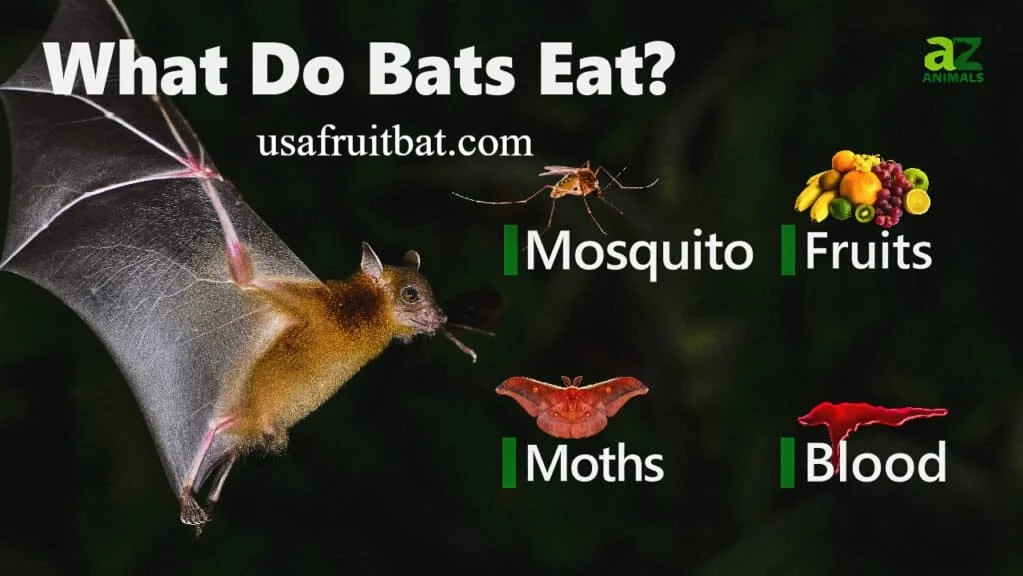
If you want a simple answer right away, here it is. Bats eat insects, fruit, nectar, small animals, and in rare cases, blood. The exact answer to what do bats eat depends entirely on the species. There are more than 1,400 bat species around the world, and each one has adapted to a specific diet based on where it lives.
Here is a quick breakdown:
- Most bats (about 70 percent) eat insects
- Many tropical bats eat fruit and nectar
- A few species eat small fish, frogs, or lizards
- Only three species out of 1,400 feed on blood
So when someone asks what do bats eat, the honest answer is that it truly depends on the bat.
Types of Bat Diets Explained
Understanding what do bats eat becomes much easier once you break bats into categories based on their feeding style. Scientists group bats into several major dietary types.
1. Insectivorous Bats
These bats make up the majority of the bat population. When people ask what do bats eat in North America and Europe, insects are almost always the answer. A single little brown bat can eat up to 1,000 mosquitoes in just one hour. That is not a typo. Their appetite for pests is one reason farmers and gardeners love having bats around.
2. Frugivorous Bats
Fruit eating bats, often called flying foxes, are common in tropical regions like Southeast Asia, Africa, and Australia. Their diet mainly includes:
- Mangoes
- Bananas
- Figs
- Guavas
These bats play a massive role in spreading seeds across forests, which helps new plants grow far from the parent tree.
3. Nectarivorous Bats
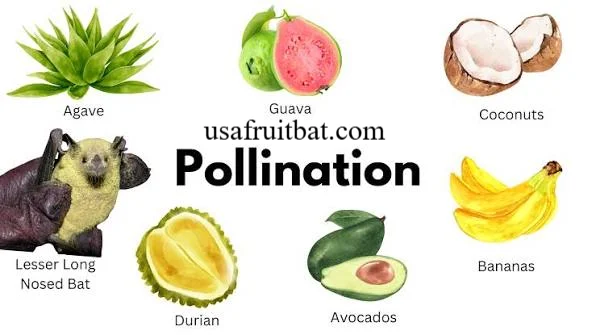
Some bats survive almost entirely on nectar and pollen, similar to hummingbirds. They have long tongues that can reach deep into flowers. In fact, certain plants, like the agave plant used to make tequila, rely almost completely on bats for pollination.
4. Carnivorous Bats
A smaller number of bat species eat small vertebrates such as frogs, lizards, mice, and even other bats. These species usually live in Central and South America.
5. Piscivorous Bats
Yes, some bats eat fish. The bulldog bat, found in Latin America, uses echolocation to detect ripples in water and scoops up small fish with its sharp claws.
6. Sanguivorous Bats
This is the famous vampire bat category, and it is the smallest group. Only three species feed on blood, usually from livestock, and they rarely target humans. Despite their reputation, they represent a tiny fraction of the answer to what do bats eat.
What Do Bats Eat by Species Type
| Bat Type | Main Food Source | Example Species | Region |
|---|---|---|---|
| Insectivorous | Mosquitoes, moths, beetles | Little Brown Bat | North America, Europe |
| Frugivorous | Mangoes, figs, bananas | Flying Fox | Asia, Africa, Australia |
| Nectarivorous | Flower nectar, pollen | Mexican Long Tongued Bat | Mexico, Southwest USA |
| Carnivorous | Frogs, lizards, small mammals | Spectral Bat | Central and South America |
| Piscivorous | Small fish | Bulldog Bat | Latin America |
| Sanguivorous | Blood from livestock | Vampire Bat | South America |
This table makes it simple to see that what do bats eat really shifts depending on species and habitat.
How Do Bats Find Their Food?
Bats do not rely on eyesight the way we do. Instead, most species use echolocation, sending out sound waves that bounce off objects and insects, helping them build a mental map of their surroundings. This allows them to hunt in complete darkness with incredible accuracy.
Fruit and nectar feeding bats often rely more on smell and vision since they are searching for stationary food sources like flowers and ripe fruit rather than moving prey.
Why Understanding What Bats Eat Matters
I remember the first time I learned that a single bat colony could eat millions of insects in one summer. It completely changed how I viewed these creatures. Knowing what do bats eat is not just a fun fact, it actually explains why bats are considered one of nature’s most valuable pest controllers.
Here is why their diet matters so much:
- Natural pest control: Bats save farmers billions of dollars every year by eating crop damaging insects.
- Pollination: Nectar feeding bats pollinate over 500 plant species, including bananas and agave.
- Seed dispersal: Fruit eating bats help forests regrow by spreading seeds far and wide.
- Balance in the food chain: Bats keep insect and small animal populations from growing out of control.
According to wildlife researchers at organizations like Bat Conservation International, insect eating bats provide pest control services worth an estimated 3.7 billion dollars annually to agriculture in the United States alone. That statistic alone shows how important it is to understand what do bats eat and protect the species that make it possible.
Do Bats Drink Blood? Clearing the Myth
This is one of the most searched questions related to what do bats eat, so it deserves a direct answer. Yes, but only three species out of more than 1,400 actually drink blood, and they almost always target livestock, not humans. Vampire bats make tiny, painless cuts and lap up small amounts of blood, they do not suck blood like in movies. So while the myth is dramatic, the reality is far less frightening.
How Much Do Bats Eat in a Day?
Bats have incredibly fast metabolisms because flying requires enormous energy. Many insectivorous bats eat between 50 and 100 percent of their body weight in insects every single night. Pregnant or nursing female bats often eat even more to support their young.
Common Questions People Ask Alongside What Do Bats Eat
Many readers who search what do bats eat also want to know how bats survive winter, what they eat as babies, and whether their diet changes by season. Baby bats, called pups, drink only their mother’s milk for the first few weeks before slowly transitioning to solid food. During winter, many insect eating bats hibernate since their food source disappears, while others migrate to warmer regions where insects remain active.
Conclusion
So, what do bats eat? The answer is far richer than most people expect. From mosquitoes and moths to mangoes, nectar, fish, and in rare cases, blood, bats have adapted incredible diets to survive in nearly every environment on Earth. Their eating habits are not something to fear, they are something to appreciate, since bats quietly protect our crops, pollinate our plants, and keep insect populations balanced. Next time you see a bat at dusk, you will know exactly what do bats eat and why it matters so much. Do you have bats near your home? Share your experience in the comments, or pass this article along to a friend who still thinks bats only drink blood.
Frequently Asked Questions
1. What do bats eat the most? Most bats eat insects like mosquitoes, moths, and beetles, since around 70 percent of all bat species are insectivorous.
2. What do fruit bats eat? Fruit bats mainly eat mangoes, bananas, figs, and other soft, ripe fruits found in tropical regions.
3. Do all bats drink blood? No, only three species out of more than 1,400 drink blood, and they mostly feed on livestock, not humans.
4. What do baby bats eat? Baby bats, called pups, drink their mother’s milk for the first few weeks before eating solid food.
5. How many insects can a bat eat in one night? A single bat can eat up to 1,000 mosquitoes in just one hour, and even more over a full night.
6. What do bats eat in winter? Many bats hibernate in winter since insects disappear, while others migrate to warmer areas with active insect populations.
7. Do bats eat fish? Yes, certain species like the bulldog bat use echolocation to catch small fish near the water surface.
8. What do bats eat in the wild versus in cities? In the wild, bats eat insects, fruit, and nectar naturally available in their habitat, while city dwelling bats often rely heavily on insects attracted to streetlights.
9. Why is knowing what bats eat important? Understanding what do bats eat helps people appreciate their role in pest control, pollination, and seed dispersal.
10. Are bats dangerous because of their diet? No, the vast majority of bats are harmless to humans and actually benefit agriculture and ecosystems through their feeding habits.
usafruitbat.com
Author Name: Hamid Ali
Email: johanharwen314@gmail.com
About the Author: Hamid Ali is a wildlife writer passionate about educating readers on animal behavior and conservation. He enjoys breaking down complex nature topics into simple, engaging content that helps people connect with the natural world around them.