A giraffe calf that stands taller than most adults within hours of birth. A cheetah cub with a fluffy gray mantle. A tiny lemur clinging to its mother’s belly. Few things draw a crowd like a newborn at the zoo, but these births matter for more than their cuteness. Many of the species involved are threatened in the wild, and every healthy birth in a managed population is a small win for biodiversity.
This guide covers which baby animals you’re most likely to see, what makes each species’ young distinctive, how zoos care for newborns, and how births connect to species preservation. It also answers practical questions about names, photos, tours, and visiting with kids.
What Baby Animals Can You See at a Zoo?
Short answer: Most accredited zoos and wildlife parks have a mix of baby hoofed animals, primates, and big cats. Exactly which species depends on the season and the collection.
Births are never guaranteed, and a facility can’t promise a specific newborn on a given day. The species below are the ones most often associated with zoo births and wildlife park nurseries.
Baby Primates: Lemurs, Mandrills, Gibbons, and Monkeys
Primate babies are among the easiest to spot because they spend so much time attached to their mothers.
- Ring-tailed lemurs are born after a gestation of roughly four and a half months. Babies first cling to the mother’s belly, then ride on her back within a couple of weeks. The species is listed as Endangered.
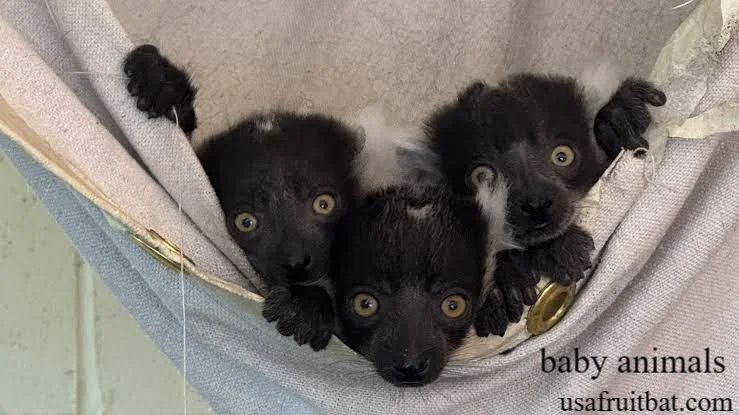
- Red ruffed lemurs and black-and-white ruffed lemurs are both Critically Endangered, which makes every birth in a managed population significant. Ruffed lemurs are unusual among primates because mothers often park their infants in nests rather than carrying them.
- Baby mandrills are born with pale, soft coloring. The vivid blue-and-red faces of adult males develop later. Mandrills are listed as Vulnerable.
- Baby gibbons are born with light fur that darkens over time, depending on the species. Gibbons are vocal, and youngsters pick up the family’s “songs.”
- De Brazza’s monkey infants are a good sign of a healthy group. The species is not currently threatened, but its distinctive white beard and orange brow make it a favorite.
- Javan langur babies are born a bright orange, a striking contrast with their dark adult coat. The species is considered Vulnerable. britannica.com
Baby Giraffes and Rhinos
A baby giraffe is born standing up, because mothers deliver upright. The calf drops roughly five to six feet to the ground and is usually on its feet within an hour or so. Gestation lasts about 15 months. Giraffes are classified as Vulnerable overall, and some subspecies face greater pressure.
An Indian rhino calf (the greater one-horned rhino) arrives after about 16 months of gestation. The species has recovered from near-extinction in the 20th century to a wild population of just over 4,000, according to recent estimates, and it is still classed as Vulnerable.
Baby Big Cats
- Cheetah cubs are born with a long, fluffy gray mantle along the back, which is thought to help them blend into grass or mimic the fierce honey badger. Litters often include several cubs. Cheetahs are listed as Vulnerable.
- Snow leopard cubs are born in spring and early summer after a gestation of around 90 to 100 days. The species was reclassified from Endangered to Vulnerable by IUCN in 2017, though populations remain under pressure.
- Clouded leopard cubs are notable because the species is difficult to breed in managed care, partly because males can be aggressive toward prospective mates. A successful litter reflects careful pairing and planning.
- White tiger cubs deserve a note. White tigers are not a separate species. The coloring comes from a rare recessive gene in Bengal tigers, and most conservation-focused zoos don’t breed them for color, since it has no conservation value and can encourage inbreeding.
Baby Hoofed Animals and Others
- Mountain bongo calves are rare. This large forest antelope is Critically Endangered in the wild, with only a small number remaining in Kenya, so managed populations act as an important safety net. Gestation lasts about nine months.
- Springbok lambs are born after around five and a half months and can run within hours.
- Baby alpacas are called crias and are born after nearly 11 months of gestation. They are a staple of many wildlife park petting areas.
- Baby goats (kids) are common in children’s zoos and are usually the most hands-on baby animal experience on offer.
- African penguin chicks hatch after roughly 40 days of incubation, covered in gray-brown down. The species was listed as Critically Endangered in 2024, so breeding programs are a priority.
Baby Animal Names: A Quick Reference
Short answer: Many young animals have their own special names. The table lists those most often searched.
| Animal | Baby name |
|---|---|
| Giraffe | Calf |
| Rhino | Calf |
| Cheetah, leopard, tiger | Cub |
| Lemur, monkey, gibbon | Infant (often “baby”) |
| Goat | Kid |
| Alpaca | Cria |
| Springbok, bongo | Calf or lamb (springbok young are often called lambs) |
| Penguin | Chick |
How Do Zoos Care for Newborn Animals?
Short answer: Zoos support mothers first. Staff step in only when a newborn is at risk.
Standard practice in modern zoo animal care follows a rough sequence:
- Preparation. Keepers monitor a pregnant animal, adjust her diet, and prepare a quiet birthing space.
- Hands-off observation. Cameras and discreet monitoring let staff watch without disturbing the mother.
- Health checks. Veterinarians weigh and examine newborns, often during the first days, while minimizing stress.
- Intervention when needed. If a mother can’t or won’t care for her young, keepers may supplement feedings or hand-rear, though the goal is usually to return the baby to its group.
- Socialization. Young animals need contact with their own species to learn normal behavior, especially primates.
Habitat design matters as well. Enclosures that mimic natural animal habitats, with climbing structures, private retreat areas, and varied substrates, make births safer and give young animals room to develop.
Why Do Zoo Births Matter for Conservation?
Short answer: Births in accredited programs help maintain genetically healthy “insurance” populations for species that are declining in the wild.
In North America, the Association of Zoos and Aquariums (AZA) coordinates Species Survival Plans, which manage breeding recommendations across many institutions. Pairings are chosen to preserve genetic diversity rather than simply produce offspring. Managed breeding of this kind, known as captive breeding, supports species preservation in three ways:
- Genetic safety nets for species whose wild numbers are very small, such as the mountain bongo
- Reintroduction potential in some cases, where animals or their offspring can be returned to protected habitat
- Public engagement and funding, because a visible newborn gives visitors an emotional reason to care about wildlife conservation
Breeding programs are not a substitute for protecting wild habitat, and responsible zoos say so. Their value depends on pairing the work with field conservation and habitat protection. Wildlife parks such as Tanganyika Wildlife Park in Goddard, Kansas, give visitors close encounters with exotic animals, which can build awareness, though the strongest conservation outcomes come from facilities that invest in accredited breeding cooperation and field work.
When Is the Best Time to See Baby Animals?
Short answer: Spring and early summer are the most reliable seasons, but births happen year-round for many species.
Many hoofed animals and big cats, including snow leopards, have seasonal breeding patterns tied to their native climates, which produces a spring peak in the northern hemisphere. Primates and many other species can give birth at any time. Tips for planning:
- Follow the zoo’s official social channels and website for birth announcements.
- Visit in the morning, when many animals are most active.
- Call ahead. Newborns are sometimes kept off exhibit for several weeks.
Can You Take a Baby Animals Tour?
Short answer: Some zoos and wildlife parks offer guided or behind-the-scenes experiences, but baby animals are only included when it’s safe for the animals.
Offerings vary widely. Some facilities run keeper talks, nursery windows, or animal encounters, while others restrict access to protect young animals. Check the official website for current tour options, age requirements, and prices, because they change.
Baby Animals for Kids: Making the Visit Work
Young visitors tend to enjoy children’s zoos, petting areas with goats and alpacas, and keeper talks. A few suggestions:
- Let kids guess baby animal names before you read the signs.
- Keep voices low near new mothers.
- Never feed animals unless it’s an organized, approved activity.
Baby Animals Photos and Videos
For your own photos, avoid flash, keep your distance, and use zoom, since flash can startle animals. For quality images and footage, official zoo websites and social media accounts are the safest sources, because they’re accurate, credited, and ethically produced. Birth-cam streams are sometimes available during breeding seasons.
Frequently Asked Questions
What baby animals can you see at the zoo?
It depends on the facility and season, but commonly seen babies include giraffe calves, lemurs, monkeys, cheetah and other big cat cubs, goats, and alpacas. Rare species such as mountain bongos or clouded leopards appear far less often.
What is the cutest baby zoo animal?
It’s subjective, but baby lemurs, cheetah cubs, and giraffe calves are frequent favorites. Lemurs cling to their mothers, cheetah cubs have a fluffy gray mantle, and giraffe calves are strikingly tall and long-legged.
How do zoos care for newborn animals?
Zoos prioritize letting mothers raise their young. Staff monitor discreetly, schedule veterinary checkups, and hand-rear only if the baby’s health is at risk.
When is the best time to see baby animals?
Spring and early summer are often best, though many species give birth year-round. Check the zoo’s website or social channels for announcements before you go.
Are baby animals born in zoos part of conservation programs?
Many are. Accredited zoos cooperate through programs such as the AZA’s Species Survival Plans to maintain genetically healthy populations of threatened species. These programs complement, not replace, habitat protection in the wild.
Can I take a baby animals tour?
Some zoos and wildlife parks offer keeper talks, nursery viewing, or behind-the-scenes tours, but access depends on the animals’ welfare. Check the official website for current options.
What are baby animals’ names?
Examples include calf (giraffe, rhino), cub (cheetah, tiger, leopard), kid (goat), cria (alpaca), chick (penguin), and infant (primates).
What are the best baby animals for kids to see?
Goats, alpacas, and lemurs are popular. Children’s zoos and petting areas offer the most hands-on experiences.
Where can I find cute baby animals photos?
Official zoo websites and verified social media accounts are the best sources for accurate, ethically made images.
Where can I watch cute baby animals videos?
Zoo YouTube channels, social media pages, and seasonal live cams offer footage. Official sources ensure the animals were filmed responsibly.
Author Bio: Hamid Ali is a wildlife and animal writer covering zoos, conservation, and species behavior. He creates engaging, research-based content that helps readers learn about animals, their care, habitats, and conservation.
Author Name: Hamid Ali
Email: johanharwen314@gmail.com
Also Read: