
A deer head Chihuahua is a Chihuahua with a longer muzzle, a flatter, sloping forehead, and a leggier build than the rounded “apple head” type. It is not a separate breed, and it is the most common head shape among pet Chihuahuas. The rest of this guide covers how to recognize one, what to expect from its health and personality, and what owning one costs.
What Is a Deer Head Chihuahua?
It is a variation within the Chihuahua breed, not a distinct breed or a mix. The name comes from the head’s resemblance to a young deer’s: a narrower skull, a longer nose, and large ears set slightly lower and wider than on the apple type.
The Chihuahua is one of the oldest toy dog breeds in the Americas. Its likely ancestor is the Techichi, a small dog kept in ancient Mexico, with ties to the Toltec civilization. The modern breed takes its name from the Mexican state of Chihuahua. The American Kennel Club (AKC) recognized the breed in 1904.
This matters for buyers because the AKC breed standard describes a well-rounded “apple dome” skull. Deer-type heads fall outside that ideal, so show breeders rarely select for them. For a family pet this makes no difference. Deer head puppies are registered as ordinary Chihuahuas and can be fully purebred with a documented pedigree.
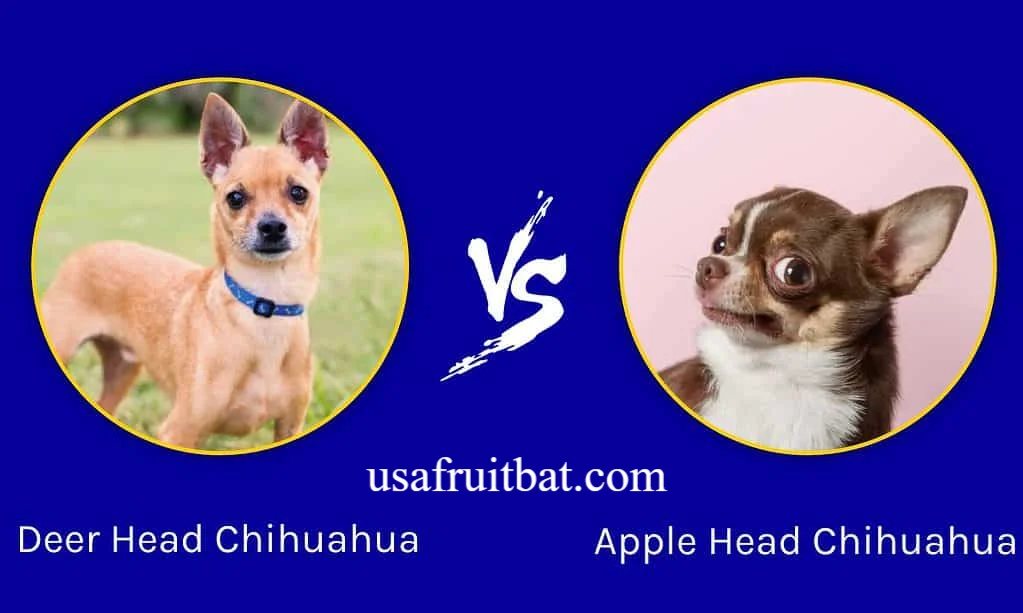
How Can You Tell a Deer Head From an Apple Head?
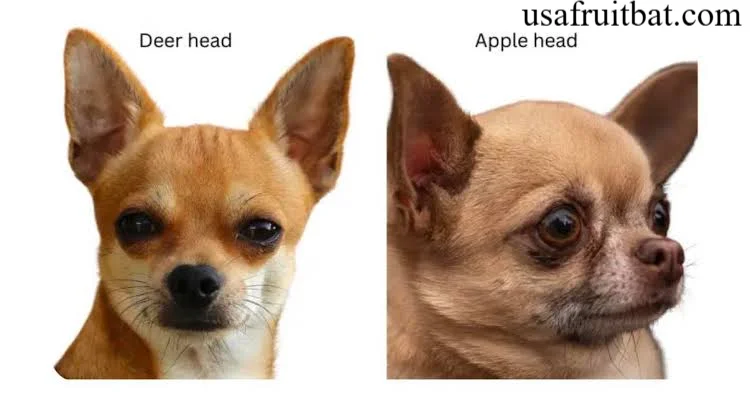
Look at the profile. A deer head has a flatter skull and a clear, longer muzzle. An apple head has a domed skull and a short, abrupt nose.
| Feature | Deer Head | Apple Head |
|---|---|---|
| Skull shape | Flatter, sloping forehead | Rounded dome |
| Muzzle | Longer, more tapered | Short, pronounced stop |
| Body | Often longer-legged, slimmer | Typically compact and cobby |
| Typical weight | Often 5 to 10 lbs | Often 3 to 6 lbs |
| Ears | Large, erect, set wide | Large, erect |
| Show ring fit | Outside the standard | Matches the standard |
| Molera risk | Present but less common | More common |
These are tendencies, not rules. Many Chihuahuas fall between the two shapes, and head shape can be hard to judge in a very young puppy. Ask the breeder to show you both parents so you can see the adult shape the puppy may grow into.
Deer Head Chihuahua Size and Weight
The AKC standard says a Chihuahua should not exceed 6 pounds. Deer head dogs are often a little larger, and many pet-quality adults land in the 5 to 10 pound range. Height is usually about 6 to 9 inches at the shoulder.
Adults over about 10 pounds are usually overweight, so check body condition rather than relying only on the scale. You should be able to feel the ribs under a thin layer of fat and see a visible waist from above.
Size is also a poor basis for choosing a puppy. Be skeptical of any listing promising a “teacup” or “micro” deer head. Extreme smallness is linked to fragility and health problems, and it is not a legitimate breed category.
Appearance, Coat, and Color
The look is slender and alert. The long muzzle, big upright ears, and long legs give these dogs a graceful, fawn-like shape.
Chihuahuas come in two coat types, and either can have a deer-type head:
- Short-haired: a smooth, glossy coat that lies close to the body.
- Long-haired: a soft, flat or slightly wavy coat with feathering on the ears, tail, and legs.
The AKC accepts any color or pattern, so a brown deer head Chihuahua (chocolate, fawn, or tan) is entirely normal. Cream, black, blue, merle, and tri-color dogs also occur. Color has no proven link to temperament. Be cautious with sellers who charge extra for “rare” colors.
Temperament: What Is a Deer Head Chihuahua Like to Live With?
Expect a bold, loyal, sometimes stubborn dog that bonds closely with one or two people. Head shape does not change personality in any documented way. Individual genetics and early socialization matter far more.
Typical traits include:
- Strong attachment to its owner, and a tendency to follow you from room to room
- Alertness that can turn into barking at every sound
- Wariness of strangers and larger dogs without early exposure
- A big-dog attitude that can lead to trouble if it is never corrected
Chihuahuas are usually better with older children who handle small dogs gently than with toddlers, who can injure them by accident.
Health and Lifespan
Chihuahuas are among the longest-lived dogs. The AKC lists a typical lifespan of about 14 to 16 years, and a well-cared-for deer head can reach that range.
Common concerns to discuss with your veterinarian:
- Dental problems: crowded teeth in a tiny mouth lead to early tartar and gum disease. Many Chihuahuas need professional cleanings.
- Patellar luxation: the kneecap slips out of place, causing skipping or limping. Mild cases are managed, and severe ones may need surgery.
- Hypoglycemia: low blood sugar is a real risk in puppies. Warning signs include weakness, trembling, and lethargy, and it can become an emergency fast.
- Heart disease: mitral valve disease is seen in older small dogs, so regular heart checks matter.
- Tracheal collapse: a harness instead of a collar reduces strain on the windpipe.
- Molera: a soft spot on the skull, common in apple heads and sometimes present in deer heads. It is normal in puppies but needs gentle handling.
Routine veterinary care should include core vaccinations, year-round parasite prevention, and tick prevention, which matters especially in warm, humid regions. Because small-breed vet bills can climb quickly, consider pet insurance while the dog is young and healthy, before conditions are on record.

Feeding and Nutrition
Feed a balanced diet formulated for small breeds, and follow the portion guidance on the label as a starting point. Adult dogs typically do well on two measured meals a day.
- Puppies: feed three to four small meals daily to help prevent hypoglycemia.
- Adults: keep treats under about 10 percent of daily calories.
- Seniors: ask your vet about adjusting calories and supporting dental health.
Obesity is one of the most preventable problems in the breed. Extra weight stresses the knees, heart, and trachea. Skip table scraps, and never give chocolate, grapes, raisins, onions, or anything sweetened with xylitol.
Exercise and Activity Needs
A deer head Chihuahua needs about 30 to 45 minutes of activity a day, split into short walks and indoor play. Its longer legs give it a bit more stamina than the apple type, but it is still a small, fragile dog.
Avoid hot pavement and cold weather without a sweater, and always supervise play with larger dogs. Puzzle toys and short training games are a good way to burn mental energy.
Grooming and Shedding
Grooming is easy. Chihuahuas shed moderately year-round, with heavier seasonal blowouts.
- Short coats: brush weekly with a soft brush or rubber grooming mitt.
- Long coats: brush two to three times a week to prevent tangles behind the ears and on the tail.
- All dogs: trim nails every few weeks, clean the ears as needed, and brush the teeth daily or as close to it as you can manage.
Bathe every four to eight weeks with a gentle dog shampoo and keep the dog warm afterward.
Training and Socialization
Start training early and keep it consistent. Positive reinforcement (small treats, praise, and play) works far better than harsh correction, which tends to make Chihuahuas fearful or defensive.
- Socialize between about 8 and 16 weeks, after your vet clears vaccinations, exposing the puppy to new people, sounds, and surfaces.
- Crate and potty train: house training can take longer in toy breeds, so use a schedule and stay patient.
- Teach basic obedience: sit, come, and leave it are the most useful.
- Manage barking: reward quiet instead of only scolding noise.
Do not let small-dog behavior slide. Snapping and guarding are easier to prevent than to fix.
Best Living Environment
A Chihuahua is an indoor dog and adapts well to apartment living, as long as it gets daily walks and company. It struggles with long stretches alone and does not tolerate extreme heat or cold. Use baby gates and ramps to protect it from jumps off furniture, and keep a close eye on it around larger pets and young children.
Traveling With a Deer Head Chihuahua
Most small dogs can fly in the cabin in an airline-approved carrier that fits under the seat. Rules on size, carrier dimensions, and fees differ by airline, so check current policies before booking. In the car, use a secured, crash-tested carrier rather than letting the dog ride loose.
Myths and Facts
- Myth: Deer heads are a rare or “premium” type. Fact: they are among the most common Chihuahuas.
- Myth: They are healthier because of the longer nose. Fact: some structural risks may be lower, but they still share the breed’s dental, knee, and heart concerns.
- Myth: They are mixes. Fact: purebred Chihuahuas can have deer-type heads.
- Myth: Smaller means better. Fact: extreme smallness raises health risks.
How Much Does a Deer Head Chihuahua Cost?
Puppy prices vary widely by region, bloodline, and breeder. As a rough guide, pet-quality Chihuahuas from reputable US breeders are commonly listed between about $800 and $2,500, and deer heads are often at the lower end because they are not the show ideal. Treat any figure as an estimate and compare several breeders.
Budget for ongoing costs too:
- Initial vet exam, vaccines, and spay or neuter
- Routine food, parasite prevention, and annual exams
- Dental cleanings, which can be a significant recurring expense
- Pet insurance premiums, if you choose coverage
How to Find a Reputable Breeder (and Avoid Scams)
A reputable breeder health-tests breeding dogs, lets you meet the parents, provides vet records and a written contract, and will take the dog back if you cannot keep it. Start with the AKC Marketplace or the Chihuahua Club of America’s breeder referral resources, and consider puppy adoption through breed-specific rescues, which often have deer head adults and seniors.
If you are searching for Chihuahua puppies in Florida, the same rules apply. Insist on a video call or in-person visit, never pay a deposit by gift card or wire transfer to a stranger, and avoid sellers who ship puppies without any meeting. Florida’s heat and heartworm and tick pressure also make year-round prevention essential once you bring the puppy home.
Is a Deer Head Chihuahua Right for You?
It is a good fit if you want a loyal, long-lived companion for a quiet or apartment home and can commit to gentle handling, regular dental care, and consistent training. It is a poor fit for families with unsupervised toddlers, people who are away all day, or anyone hoping for a low-maintenance dog with no health costs.
Frequently Asked Questions
Is there a deer head Chihuahua for sale near me?
Yes. They are widely available, but buy only from a breeder who lets you meet the parents and provides health records. Check AKC Marketplace listings and breed rescues, and avoid sellers who push you to pay before you can see the puppy.
What is an apple head Chihuahua?
An apple head has a rounded, domed skull and a short muzzle. It is the type described in the AKC breed standard and is usually smaller and more compact than a deer head.
What is the deer head Chihuahua price?
Pet-quality Chihuahuas from reputable US breeders commonly cost about $800 to $2,500, and deer heads are often at the lower end. Prices vary by region and breeder, so use this as a rough estimate only.
What is the deer head Chihuahua lifespan?
Typically 14 to 16 years, in line with the breed overall. Good dental care, a healthy weight, and regular vet visits help them reach it.
Is a brown deer head Chihuahua rare?
No. The AKC accepts all Chihuahua colors, and brown (chocolate or fawn) is common. Do not pay a premium just because a seller calls a color rare.
Can a deer head Chihuahua have long hair?
Yes. Both long-haired and short-haired Chihuahuas can have deer-type heads. Coat length is separate from head shape.
Is a deer head Chihuahua a mix?
Not necessarily. Most are purebred Chihuahuas with a different head shape. A true mix would show other breed traits and can be confirmed with a DNA test.
Are deer head Chihuahuas rare?
No. They are one of the most common types, though they are less common in the show ring because they do not match the apple dome standard.
Author Bio: Hamid Ali is a pet and wildlife writer covering dog breeds, animal care, behavior, health, and responsible pet ownership. He creates clear, practical guides that help readers understand pets and make informed decisions about their care.
Author Name: Hamid Ali
Email: johanharwen314@gmail.com
Also Read: