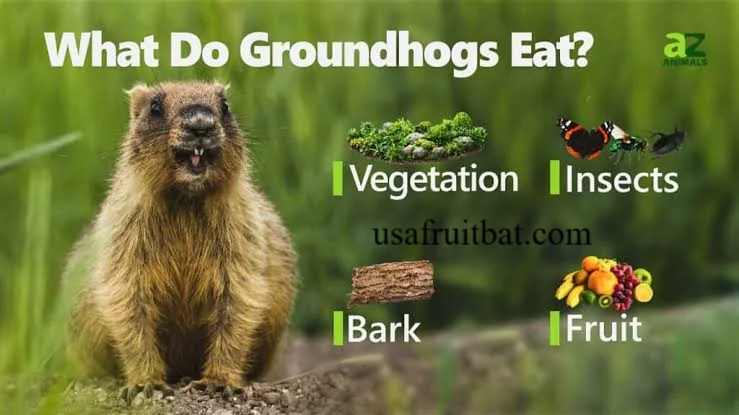
Short answer: Groundhogs are mostly herbivores. They eat grasses, clover, alfalfa, dandelions, and other leafy plants, plus garden vegetables and fruit when they can get them. They also take a few insects and snails now and then. Their diet shifts with the seasons because they have to build enough fat to survive winter hibernation.
That last point matters right now. In October, groundhogs across much of the northern and central US are in the final stretch of eating before they retreat underground. If you’ve noticed one grazing hard at the edge of your yard, that’s why. toknowtheland.com
What Do Groundhogs Eat in the Wild?
In natural settings, a groundhog (also called a woodchuck, Marmota monax) grazes on whatever tender green growth is close to its burrow. A typical wild menu includes:
- Grasses and sedges
- Clover and alfalfa
- Dandelions and plantain
- Wild berries and fallen fruit
- Leaves, buds, and bark from certain trees
Groundhogs are also capable climbers and will go up into trees for food. Wildlife references list mulberry and hackberry leaves, black cherry bark, and dogwood twigs among the woody items they sample. Trees are a side dish, though. Low, leafy plants make up most of the diet. fws.gov
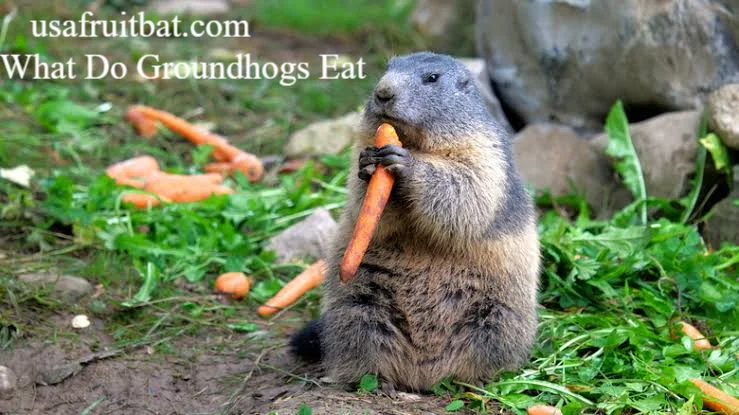
What Are a Groundhog’s Favorite Foods?
Groundhogs prefer succulent, high-moisture plants over tough or dry ones. That explains why a hay field or clover patch draws them and why your lettuce row is more tempting than your lawn.
Their consistent favorites are:
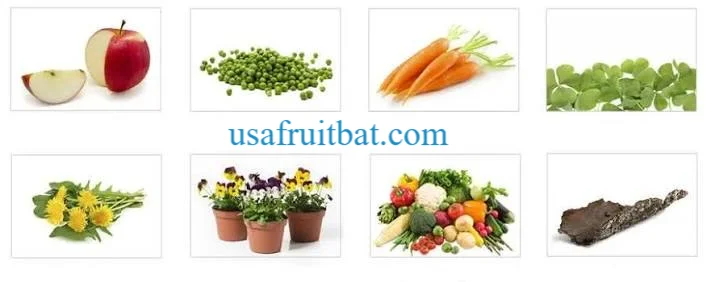
- Clover and alfalfa, which are tender and nutrient-dense
- Dandelions, leaves and flowers both
- Fresh garden greens, especially lettuce
- Sweet, juicy crops such as peas, beans, and melons
- Fruit, including apples, cherries, and berries
Which Garden Crops Do Groundhogs Eat?
Yes, groundhogs damage gardens, and they can do it fast. A single animal can clear a bed of young seedlings in one or two mornings. This table shows how likely common crops are to be targeted, based on general wildlife-damage guidance:
| Crop | Likelihood of damage | Notes |
|---|---|---|
| Lettuce, spinach, kale | Very high | Tender leaves are a top target |
| Peas and beans | Very high | Plants are often stripped to the stem |
| Carrots and celery | High | Tops are eaten; roots sometimes dug up |
| Corn | Moderate–high | Stalks get knocked over as ears are eaten |
| Tomatoes, squash, cucumbers | Moderate–high | Ripe fruit is bitten into |
| Strong-scented herbs (e.g., mint, garlic, onions) | Low | Often left alone |
So yes, groundhogs will eat tomatoes, and they often prefer them ripe. They’ll also eat grass and clover, which is why a lawn bordering a field can attract them even without a garden.
Do Groundhogs Eat Fruit?
They do. Apples, cherries, berries, and melons are all fair game, whether on the ground or low on a plant. In fall, windfall apples under a backyard tree are a reliable draw because the sugar helps with fat storage.
Do Groundhogs Eat Insects or Meat?
Groundhogs are not true carnivores, but they aren’t strictly vegetarian either. They occasionally eat grasshoppers, June bugs, snails, and grubs. They have also been recorded eating bird eggs and small animals on rare occasions. Insects are a minor supplement, and they won’t make a groundhog a threat to pets or poultry in the way a fox or raccoon can be.
What Do Groundhogs Eat Each Season?
Their feeding pattern follows the calendar closely.
Spring. After emerging from hibernation (roughly February to April depending on latitude), groundhogs are lean and hungry. They go for the first green shoots: grasses, clover, dandelions, and tender new growth.
Summer. This is peak feeding. Gardens are in full production, and groundhogs eat heavily on vegetables, alfalfa, and fruit. Many are most active in the early morning and late afternoon.
Fall. Hyperphagia, meaning intense eating, kicks in. Groundhogs seek calorie-rich foods such as apples, corn, and late greens to build fat reserves. Many gain substantial weight before going underground.
Winter. Groundhogs are true hibernators. They live off stored body fat in a sealed burrow chamber and don’t eat during hibernation, which lasts from about October or November until late winter or early spring, depending on the region. Their heart rate and body temperature drop sharply to save energy.
What Do Baby Groundhogs Eat?
Baby groundhogs, called kits or pups, are born in spring, usually in a litter of a few. At first they rely entirely on their mother’s milk inside the burrow. At around five to six weeks, they begin leaving the burrow and nibbling soft grasses and clover beside their mother. They shift to solid plant foods over the following weeks and typically disperse by late summer. If you find an apparently orphaned pup, contact a licensed wildlife rehabilitator rather than offering food, because the wrong diet can seriously harm young wildlife.
What Attracts Groundhogs to Your Yard?
Groundhogs choose a spot for food, but they also need safe shelter. Common attractants include:
- Vegetable gardens and fruit trees
- Clover-rich lawns or adjacent hay fields
- Brush piles, sheds, decks, and porches that offer cover
- Fallen fruit or spilled birdseed
- Soft, well-drained soil that is easy to dig
Their habitat is typically woodland edges, open fields, pastures, and suburban yards across eastern and central North America, so any yard bordering such areas is a candidate.
Can Groundhogs Cause Property Damage?
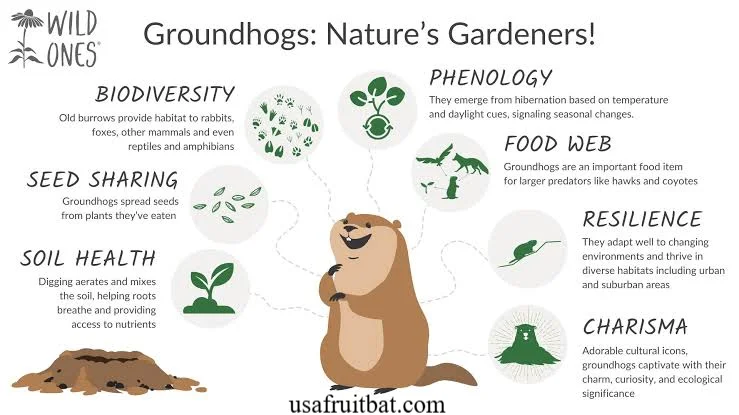
Garden loss is the most visible problem, but burrows can cause bigger headaches. A groundhog burrow can extend many feet underground, often with more than one entrance. Burrowing near foundations, sheds, or retaining walls can undermine them. Tunnels can also expose or damage irrigation systems and, in rare cases, electrical wires. Burrow openings in lawns or fields can be a hazard for people and livestock, too. If you suspect damage near your foundation, have a pest control professional or licensed wildlife control operator take a look.
How Do You Keep Groundhogs Away?
Exclusion works better than repellents. A practical approach:
- Fence the garden. Use sturdy wire fencing about 3 to 4 feet high. Bury it 10 to 12 inches deep and bend the bottom outward in an L-shape to stop digging. Leave the top loose or angled outward so climbing is harder.
- Remove cover. Clear brush piles and seal off spaces under decks and sheds.
- Clean up food. Pick ripe produce promptly, collect windfall fruit, and avoid leaving birdseed on the ground.
- Use deterrents as a backup. Castor-oil-based or predator-scent repellents may help temporarily, but results vary, and animals often return.
- Check your local laws before trapping. Rules differ by state, and many restrict or ban relocating wildlife. The Humane Society of the United States and your state wildlife agency offer humane guidance. For removal, a licensed wildlife control professional is the safest option.
FAQ Section
What do groundhogs eat in the wild?
In the wild, groundhogs eat grasses, clover, alfalfa, dandelions, plantain, wild berries, and fallen fruit. They also nibble leaves, buds, and bark from certain trees and occasionally eat insects or snails.
What do groundhogs eat in the winter?
Nothing. Groundhogs hibernate and live off body fat they built up in fall. They stay in a sealed burrow chamber until they emerge in late winter or early spring.
What do groundhogs eat and drink?
They eat mainly leafy plants, vegetables, and fruit. Most of their water comes from dew and succulent vegetation, though they will drink from puddles and other surface water when available.
What do groundhogs eat during the day?
Groundhogs are diurnal, so most feeding happens in daylight, especially early morning and late afternoon. They graze on grasses, clover, garden crops, and fruit near their burrow.
What do groundhogs eat at night?
Groundhogs generally do not feed at night. They sleep in their burrows after dark. Garden damage seen overnight is more likely caused by rabbits, deer, or raccoons.
What do groundhogs hate?
They tend to avoid strong smells and unstable ground. Castor-oil repellents, predator scents, and strong-scented plants like garlic and onions are common deterrents, but effectiveness varies. Fencing is the most reliable solution.
What do groundhogs like to eat to trap them?
Trappers commonly use fresh cantaloupe, apple slices, lettuce, or other fresh produce. Because trapping and relocation are regulated in many states, check local laws first or hire a licensed wildlife control professional.
Where do groundhogs live?
Groundhogs live across much of eastern and central North America, from Alaska and Canada south to the southeastern US. They prefer woodland edges, fields, pastures, and suburban yards, where they dig burrows for shelter and hibernation.
Author Bio: Hamid Ali is a wildlife and nature writer who covers animal behavior, habitats, diets, and seasonal survival. He creates research-based, easy-to-understand guides to help readers learn about wildlife and protect their gardens and properties.
Author Name: Hamid Ali
Email: johanharwen314@gmail.com
Also Read: