Introduction
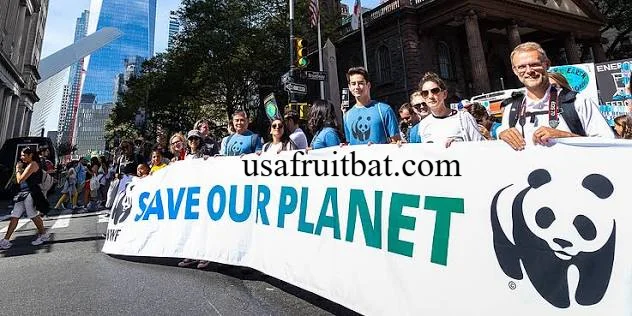
If you want a career that combines professional growth with a meaningful environmental mission, the World Wildlife Fund (WWF) may be worth exploring. The organization works to protect wildlife, preserve natural habitats, address climate change, and promote a future where people live in harmony with nature. Its work involves specialists from many fields, creating opportunities for people with different educational backgrounds and professional skills.
World Wildlife Fund jobs can include conservation research, environmental policy, communications, fundraising, technology, finance, and program management. Whether you are a recent graduate looking for an internship or an experienced professional seeking a leadership position, the best starting point is to explore official career listings and review each role’s requirements. Understanding the application process, qualifications, and work environment can help you identify opportunities that match your interests and long-term career goals.
What Is the World Wildlife Fund (WWF)?
The World Wildlife Fund is an international conservation organization founded in 1961. It works with communities, scientists, governments, businesses, and other partners to address environmental challenges and protect the natural systems that support life. Its conservation priorities include endangered species, forests, freshwater resources, oceans, biodiversity, and climate change.
WWF operates through an international network and national organizations, which means available roles, hiring procedures, and employment conditions can differ by country. Some employees contribute directly to conservation projects, while others support the organization through research, communications, fundraising, finance, or operational management. Understanding this broad mission can help applicants identify how their own skills could contribute to environmental protection.
What Types of World Wildlife Fund Jobs Are Available?
WWF employs professionals across a wide range of departments, so you do not necessarily need a wildlife science degree to pursue a career with the organization. Some positions involve field research and conservation planning, while others focus on building partnerships, managing projects, communicating environmental issues, or maintaining essential business operations. The responsibilities and qualifications depend on the specific vacancy and the country where the position is based.
sourecs: worldwildlife.org
Common career areas include:
- Conservation and wildlife protection
- Environmental science and research
- Forest, ocean, and freshwater conservation
- Communications, marketing, and public relations
- Fundraising and donor relations
- Finance, human resources, and administration
- Information technology and data analysis
- Environmental policy and program management
For example, a conservation scientist might assess habitat conditions, while a communications specialist develops public awareness campaigns. A finance professional may manage budgets for conservation programs. These different contributions help WWF coordinate projects and work toward its environmental goals.
Where to Find World Wildlife Fund Job Openings
The safest way to discover available positions is to begin with the official WWF website and follow its careers links. WWF has an international network, and individual national organizations may maintain separate recruitment pages. Checking the appropriate regional website is particularly important if you want to work in a specific country or are interested in opportunities outside the United States.
Start with the and explore its Careers section. You can also review the for information about international work and recruitment. For United States positions, the provides an employment section for reviewing openings and submitting applications.
When searching for World Wildlife Fund jobs, use filters and search terms that reflect your experience and preferences. Check the job location, closing date, employment type, qualifications, and application instructions before applying. LinkedIn and other job boards can help you discover vacancies, but verify the position through the relevant official recruitment portal whenever possible.
World Wildlife Fund Jobs Requirements and Qualifications
The qualifications required for a WWF position depend on its responsibilities and level of seniority. Research and conservation roles may require degrees in biology, ecology, environmental science, forestry, marine science, or related disciplines. Specialized positions can also require fieldwork experience, scientific research skills, knowledge of environmental regulations, or experience working with local communities.
Other positions may prioritize professional skills rather than an environmental degree. Applicants for finance, marketing, fundraising, technology, and administrative roles can often draw on experience gained in different industries. Useful skills include written communication, project coordination, data analysis, teamwork, problem-solving, and stakeholder management. Always compare your qualifications with the essential and preferred criteria listed in the specific job description.
How to Apply for World Wildlife Fund Jobs
A well-prepared application helps recruiters understand how your experience matches the position. Before applying, research the organization’s conservation priorities and read the complete vacancy description. Identify the skills the employer emphasizes, then adjust your résumé or CV to highlight relevant achievements instead of sending the same generic application for every opportunity.
Follow these steps to prepare your application:
- Find a suitable vacancy through the official careers portal.
- Check the education, experience, location, and eligibility requirements.
- Update your résumé or CV with relevant skills and measurable achievements.
- Write a cover letter explaining your interest in the role and conservation mission.
- Submit all requested documents through the designated application system.
- Prepare for interviews by researching WWF’s work and the responsibilities of the position.
- Monitor your email and recruitment account for updates.
World Wildlife Fund jobs may attract candidates who are passionate about environmental protection, but enthusiasm alone is not enough. Use examples from your education, previous employment, volunteer activities, or research projects to demonstrate your abilities. A clear, tailored application gives recruiters a better understanding of what you could contribute to their team.
World Wildlife Fund Internships and Entry-Level Opportunities

Internships can be a useful starting point for students, recent graduates, and people exploring conservation as a career. Depending on the office and recruitment cycle, opportunities may involve research, communications, policy, fundraising, education, or program support. These experiences can help candidates understand how conservation organizations operate and develop practical skills that are valuable in future employment.
Search the official recruitment pages for available internships and entry-level positions. Review eligibility rules carefully because some opportunities may be restricted by academic status, location, work authorization, or other requirements. If no suitable internship is available, consider gaining experience through environmental organizations, university research projects, community initiatives, or relevant volunteer activities. These experiences can strengthen your application when an appropriate position becomes available.
World Wildlife Fund Salaries, Benefits, and Work Environment
Compensation at WWF varies according to job responsibilities, seniority, experience, employment location, and the hiring organization. Leadership and specialist positions may have different salary ranges from internships and entry-level roles. Some vacancies publish compensation information directly, while others require applicants to contact the recruitment team or review additional employment details.
The following table summarizes factors to consider when comparing opportunities. Benefits are not guaranteed across all roles, so check the individual vacancy and employment offer for confirmed details.
| Factor | What to check |
|---|---|
| Salary | Published pay range and currency |
| Benefits | Health coverage, leave, and retirement provisions where offered |
| Work arrangement | Office-based, hybrid, remote, or field-based |
| Employment type | Permanent, temporary, contract, or internship |
| Career development | Training, mentoring, and advancement opportunities |
| Location | Country, office, travel, and relocation requirements |
Some positions involve collaboration with international teams, travel, or fieldwork, while others are primarily office-based. Before accepting an offer, consider whether the responsibilities, compensation, work arrangement, and organizational culture suit your professional and personal priorities.
Is the World Wildlife Fund a Good Place to Work?
Whether WWF is a good employer depends on your career goals, expectations, and the specific position. People interested in conservation may find the opportunity to support environmental initiatives rewarding. Working alongside researchers, policy specialists, community partners, and other professionals can also provide valuable experience and exposure to complex global challenges.
However, conservation work can involve demanding deadlines, competitive recruitment, project constraints, and responsibilities that vary considerably between departments. Review employee feedback carefully, paying attention to the office and role discussed rather than assuming every WWF workplace is identical. It is also useful to evaluate the organization’s mission, employment conditions, and professional development opportunities separately. If you are considering whether WWF is a good charity, assess its conservation work, transparency, financial reporting, and independently available evaluations rather than relying on its reputation alone.
How WWF Jobs Support Wildlife and Environmental Conservation
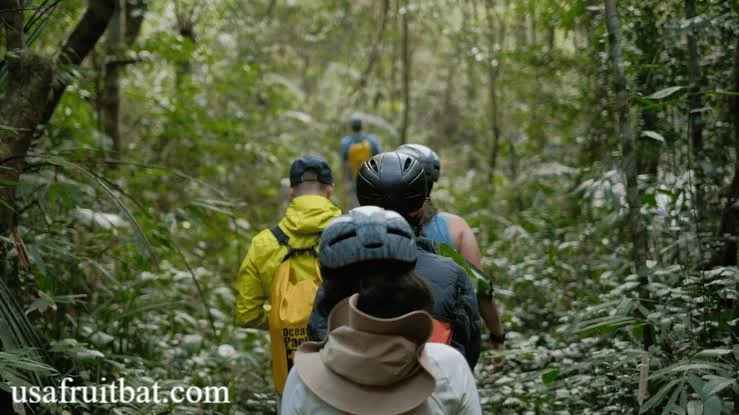
WWF’s mission extends beyond protecting individual animal species. Its work addresses the environmental pressures affecting ecosystems, including deforestation, habitat loss, climate change, unsustainable resource use, and declining biodiversity. Conservation projects may involve scientific research, habitat restoration, public education, policy development, and cooperation with communities that depend on natural resources.
Employees contribute in different ways depending on their responsibilities. Field specialists may gather ecological data, policy professionals may help develop conservation initiatives, and communications teams may explain environmental challenges to the public. Finance and technology professionals support the systems that make projects possible. This range of responsibilities means that even employees who rarely work directly with wildlife can contribute to broader conservation objectives.
Other Ways to Support the World Wildlife Fund
Not everyone who cares about wildlife is ready to apply for a full-time position. There are other ways to learn about conservation and support environmental initiatives, depending on what is available in your country. WWF’s official websites provide information about donations, campaigns, conservation programs, and ways individuals can participate in its work.
Options to explore include:
- Participating in local environmental or habitat restoration activities.
- Supporting verified conservation campaigns and initiatives.
- Exploring the World Wildlife Fund adopt an animal program.
- Learning about educational resources and community conservation projects.
- Checking whether relevant volunteering opportunities are available locally.
Some symbolic animal adoption programs offer gifts or World Wildlife Fund stuffed animals as part of selected packages. The available items, donation amounts, and shipping arrangements vary by country and program. These options support a different purpose from employment, so review the official terms to understand what a contribution includes and how it supports conservation.
Tips for Building a Successful Career in Wildlife Conservation
Building a career in conservation takes more than a general interest in nature. Employers often look for candidates who combine relevant knowledge with practical skills, reliable communication, and the ability to work with different stakeholders. You can begin developing these strengths through academic projects, professional training, volunteering, internships, or employment in a related field.
Consider these practical steps as you prepare for future opportunities:
- Develop specialist knowledge relevant to your preferred career area.
- Build transferable skills such as writing, research, budgeting, or data analysis.
- Follow conservation news and learn about current environmental challenges.
- Create a résumé that highlights relevant projects and measurable achievements.
- Connect with environmental professionals through appropriate events and networks.
- Track application deadlines and prepare tailored applications.
- Keep developing your skills even when suitable vacancies are limited.
Consistency is important because recruitment schedules and available positions can change. Rather than applying indiscriminately, focus on opportunities that align with your qualifications and explain clearly how your experience meets the employer’s needs.
Conclusion
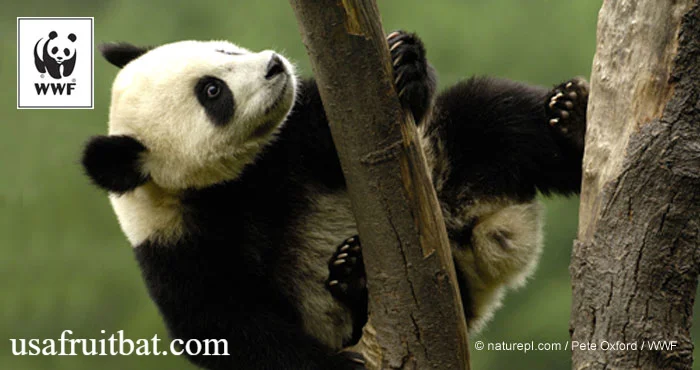
World Wildlife Fund jobs offer potential career paths for people interested in conservation, environmental policy, communications, technology, fundraising, and business operations. The right opportunity depends on your qualifications, professional interests, preferred location, and long-term goals. Understanding the organization’s mission and recruitment process can help you make informed decisions as you explore available positions.
Begin by visiting the official WWF careers pages, reviewing current vacancies, and checking the requirements for each role. Prepare a focused résumé, highlight relevant experience, and investigate internships or entry-level positions if you are starting your career. With careful preparation and realistic expectations, you can identify opportunities that match your skills while exploring ways to contribute to wildlife protection and a healthier planet.
Frequently Asked Questions
What is the official website for World Wildlife Fund jobs?
Start at and follow its Careers links, or visit the relevant national WWF organization’s recruitment website.
How can I apply for a job at the World Wildlife Fund?
Find a suitable vacancy on the official careers portal, review the eligibility requirements, prepare your application documents, and submit them as instructed.
What qualifications do I need to work at WWF?
Requirements vary by position, with some roles requiring conservation-related degrees and others emphasizing business, communications, technology, or administrative experience.
Does the World Wildlife Fund offer internships?
Internships may be available depending on the country, department, recruitment cycle, and eligibility criteria listed for each opportunity.
Can I work at WWF without a wildlife or environmental science degree?
Yes, some positions focus on areas such as finance, fundraising, marketing, human resources, technology, and operations rather than wildlife science.
How much do World Wildlife Fund employees earn?
Salaries vary by location, experience, seniority, and role, so consult the relevant vacancy for available compensation information.
Is the World Wildlife Fund a good charity?
You can assess WWF by reviewing its conservation programs, reported results, financial transparency, and independent charity evaluations.
Where can I find World Wildlife Fund internships and entry-level jobs?
Check the official WWF careers pages and national office websites for current internships, graduate opportunities, and entry-level vacancies.
Also Read