
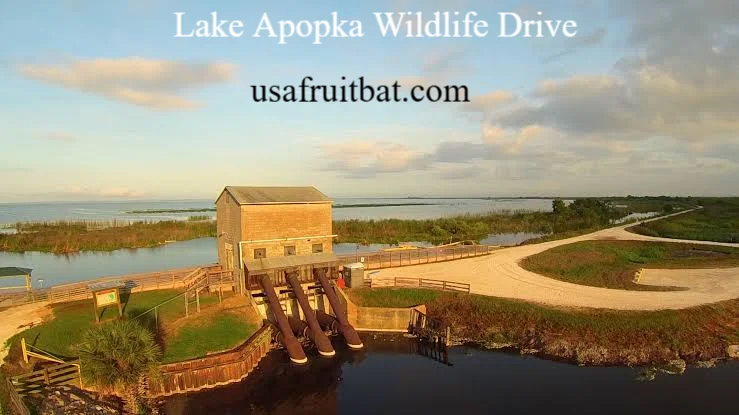
The Lake Apopka Wildlife Drive is a free, one-way, 11-mile route through restored wetlands on the Lake Apopka North Shore in Orange County, Florida. It runs from Lust Road in Apopka to Jones Avenue in Zellwood. Most visitors come for alligators, eagles and a long bird list, and you can see much of it without leaving your car.
What Is the Lake Apopka Wildlife Drive?
The drive curves through the eastern section of the Lake Apopka North Shore, starting at Lust Road in Apopka and ending on Jones Avenue. The St. Johns River Water Management District (SJRWMD) manages it as part of its restoration work on the lake.
It opened on May 1, 2015, as a byproduct of the Lake Apopka and North Shore restoration efforts. The Lake Apopka Restoration Act of 1985 paved the way for restoring the former farmland along the lake’s north shore. The land was once intensive muck farming. It is now a mosaic of marsh, canals and open water.
Hours, Entry and Vehicle Rules: What to Know Before You Go
Short answer: The drive is open to vehicles Friday, Saturday, Sunday and federal holidays. The entrance gate is open 7 a.m. to 3 p.m., and all vehicles must exit by 5 p.m.
| Detail | What to expect |
|---|---|
| Days open to vehicles | Fri, Sat, Sun and federal holidays |
| Entrance gate | 7 a.m.–3 p.m. |
| Exit deadline | 5 p.m. |
| Entrance | Lust Road, Apopka (2850 Lust Rd.) |
| Exit | Jones Avenue, Zellwood |
| Speed limit | 10 mph |
| Maximum vehicle length | 25 feet; no trailers |
| Cost | Free |
The posted rules include a 10 mph speed limit, a 25-foot maximum vehicle length, no trailers, and stopping only at pullover areas. Follow the directional signs, since the route only goes one way.
Dogs are a common point of confusion. A third-party trail source states pets are not permitted on the drive, even in vehicles. Confirm the current pet policy with SJRWMD before bringing a leashed dog, and don’t assume the loop trail rules apply to the drive.
Check for closures. Conditions change. In early 2026, SJRWMD crews closed the drive on several Fridays for slope stabilization work, and flooding has caused short closures in past years. Check the SJRWMD Lake Apopka North Shore page the day before you go.
What Wildlife Can You See at Lake Apopka?
Short answer: Expect alligators, bald eagles, ospreys, wading birds and waterfowl. More than 300 bird species have been recorded since restoration.
Habitat does most of the work here, so the wildlife is varied:
- Alligators: Common along canal banks, especially on sunny mornings in cooler months.
- Raptors: Bald eagles are among the highlights, and ospreys regularly fish the canals.
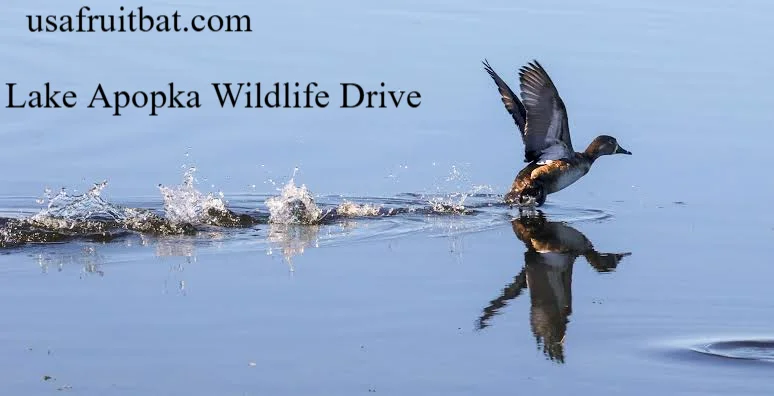
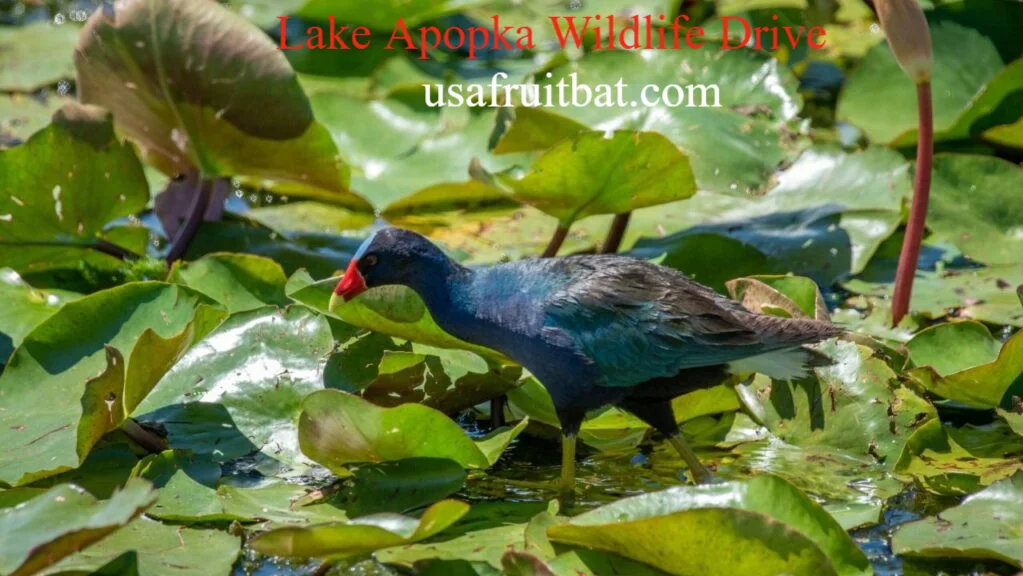
- Wading birds and waterfowl: Herons, egrets, ibises and ducks gather in the shallow marsh. Winter brings the largest numbers.
- Songbirds and marsh birds: Worth a slow roll with the windows down and the engine off at pullovers.
This is one of Central Florida’s better birding destinations, which is why serious birders travel for it. Some visitors come from other states every year.
How Long Does the Drive Take?
Short answer: Plan one to three hours. Depending on usage and how many stops you make, the drive could last one to three hours. A volunteer quoted by Spectrum News 13 put it this way: “Although it’s only 11 miles, it’s going to take potentially two hours.”
At 10 mph the raw driving time is a little over an hour. The extra time comes from pullovers, photo stops and slow traffic when someone spots an eagle. Arrive early so you aren’t racing the 5 p.m. exit deadline.
Can You Walk or Bike Lake Apopka Wildlife Drive?
Short answer: Visitors can walk or bike on the drive route and trails, but the rules differ by day. Part of the wildlife drive overlaps with the Lake Apopka Loop Trail. Visitors can bike or walk portions of the drive and trails, with no cost to enter.
Because vehicle access is limited to certain days, non-driving days are often quieter for walkers and cyclists, but the same route is used by service vehicles. Keep to the posted rules and check the SJRWMD trail guide for the day you plan to visit.
The wider Lake Apopka Loop Trail is a long multi-use path along the lake’s edge. SJRWMD describes it as covering more than 20 miles. Many sections are flat but fully exposed, so treat even short walks seriously in summer.
The Route and Facilities
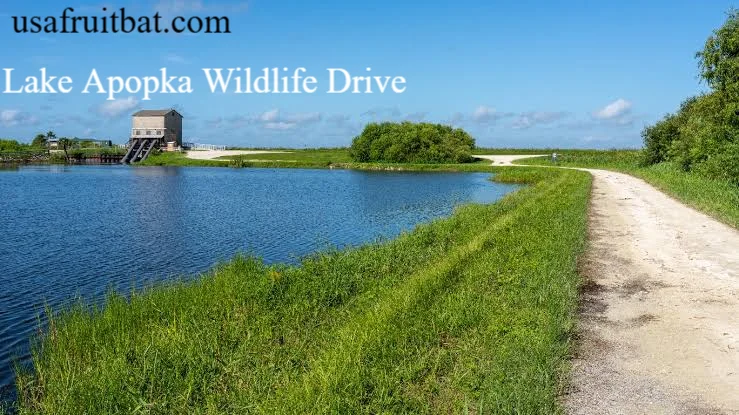
The SJRWMD trail map marks audio tour points, information kiosks, an observation tower, a picnic shelter, restrooms, and boat and canoe launches across the North Shore. Not all of these sit directly on the drive, so use the official map to plan stops. The audio tour points are a useful way to learn about restoration and local wildlife as you go.
There is no food service on site. Pack water and snacks, and save restaurants for downtown Apopka or Winter Garden afterward.
When Is the Best Time to Visit?
Short answer: Winter and early spring, on an early weekend morning.
- November to March: Cooler temperatures, large numbers of migratory waterfowl and wading birds, and comfortable weather.
- Spring: Nesting activity increases and light is good for photography.
- Summer: Hot, humid and buggy, with afternoon storms. Wildlife is still present, but you’ll want to go early.
- Weekdays versus weekends: The drive is only open to vehicles Friday through Sunday, so Fridays are usually the quietest. One regular photographer says he prefers quieter weekdays, which suggests visitors who can do a Friday often find fewer cars.
Because the gate closes at 3 p.m., the best light is early. Aim to enter shortly after 7 a.m.
Is the Lake Apopka Wildlife Drive Worth It?
Short answer: Yes, if you enjoy wildlife viewing at a relaxed pace. It is free, accessible by car, and one of the few places near Orlando where you can see this much natural habitat without hiking.
It may not suit you if you want a short, fast outing, since the 10 mph limit and shared pullovers make it a slow experience. It also isn’t a polished attraction. There are no staffed exhibits along the route, so what you see depends on weather, season and luck. That unpredictability is part of its appeal for birders and photographers.
Tips for Wildlife Photography and a Comfortable Visit
- Bring a zoom lens or binoculars. Birds and gators are often at a distance.
- Use your car as a blind. Animals tend to tolerate vehicles better than people on foot.
- Stay in your vehicle near alligators. Never approach or feed wildlife.
- Pack sunscreen, bug spray and water. There is little shade, and mosquitoes are common.
- Fill your tank first. Services aren’t available along the route.
- Keep to pullovers. Stopping in the lane blocks other visitors.
- Check closures and the schedule on the SJRWMD website the day you go.
Why Lake Apopka’s Comeback Matters
Lake Apopka is the fourth largest lake in Florida. Decades of agricultural runoff left it severely polluted, and water quality remains the central restoration challenge. The district’s approach has included buying former farmland and filtering nutrient-laden water before it returns to the lake. Today the restored wetlands are a rare example of a degraded Florida ecosystem becoming a wildlife habitat people can visit. The Orange Audubon Society is also developing a 70-acre nature and birding park at the Lust Road entrance with the city of Apopka.
Frequently Asked Questions
How long does it take to drive the Lake Apopka Wildlife Drive?
Plan on one to three hours. The route is 11 miles one way with a 10 mph speed limit, and most of the time goes to pullovers, photos and wildlife sightings. Aim to enter well before the 3 p.m. gate closing.
Is the Apopka Wildlife Drive worth it?
Yes, for anyone interested in birds, alligators or photography. It is free and one of the best-known wildlife destinations near Orlando. It is less suitable if you want a quick or guaranteed-sighting experience.
Can you walk Lake Apopka Wildlife Drive?
Portions of the drive and the connected Lake Apopka Loop Trail can be walked or biked, but access rules vary by day and section. Check the current SJRWMD trail guide before you go, and stay on designated routes.
Is the Apopka Wildlife Drive free?
Yes. There is no entrance fee to drive the route or to use the restoration area.
Author Bio: Hamid Ali is a wildlife and travel writer covering nature destinations, outdoor adventures, and wildlife experiences across the United States. He creates practical guides with visitor tips, seasonal insights, and destination details to help travelers plan enjoyable trips.
Author Name: Hamid Ali
Email: johanharwen314@gmail.com
Also Read: