

Businesses today compete for attention across search engines, social platforms, and digital marketplaces. Reaching potential customers at the right moment can make a significant difference in online growth. Paid search provides an effective way to connect with people who are actively searching for products, services, or information related to a business.
With a well-planned advertising strategy, companies can increase website traffic, generate qualified leads, and improve sales opportunities. Understanding keyword selection, bidding strategies, advertisement quality, and campaign performance helps marketers build successful campaigns while controlling advertising expenses.
What Is Paid Search and How Does It Work?
Paid search is a digital marketing strategy in which businesses pay to display advertisements on search engine results pages (SERPs). These advertisements usually appear above or below organic search listings when users enter relevant search queries. Google Ads and Microsoft Advertising are popular platforms that allow businesses to reach potential customers through sponsored search placements.
Most campaigns use a pay-per-click (PPC) model, meaning advertisers generally pay when someone clicks their advertisement. Search engines consider several factors when deciding which advertisements appear, including keyword relevance, bidding amounts, ad quality, and landing page experience. This system allows businesses to compete for visibility when customers are actively looking for relevant solutions.
sourecs: adtechjuice.com
Understanding the Key Elements of Paid Search Marketing
Successful paid search marketing involves several connected elements that influence advertising performance. Keyword research helps advertisers understand what potential customers are searching for, while compelling ad copy encourages users to visit their websites. Selecting relevant search terms and creating useful advertisements can improve campaign quality and attract visitors who are more likely to convert.
Other important elements include bidding strategies, audience targeting, landing page optimization, and conversion tracking. Advertisers need to establish suitable budgets, identify valuable audiences, and provide relevant website experiences. Tracking conversions also helps businesses understand whether their advertising investments generate meaningful results, such as purchases, inquiries, registrations, or qualified leads.
How to Build High-Converting Paid Search Campaigns
Building effective advertising campaigns begins with clearly defined business objectives. Companies should decide whether they want to increase product sales, generate leads, receive phone calls, or improve website traffic. These goals influence keyword selection, advertising messages, budget allocation, and campaign structure. A clear strategy makes it easier to measure progress and identify areas that need improvement.
The next step involves organizing relevant keywords into focused ad groups and writing advertisements that match search intent. Each advertisement should communicate a clear benefit and encourage users to take action. Businesses should also create dedicated landing pages with useful information, simple navigation, and noticeable calls to action. Regular testing and performance monitoring can gradually improve campaign results.
Types of Paid Search Advertising Campaigns
Search advertising includes several campaign formats designed to support different marketing objectives. Traditional search ads appear when users enter specific keywords into search engines. Shopping advertisements display product images, prices, and business information, making them particularly useful for online retailers. Display campaigns use visual advertisements across participating websites and applications to increase brand awareness.
Remarketing campaigns target people who have previously interacted with a business, helping brands reconnect with interested visitors. Branded search campaigns focus on searches containing a company’s name or product names. Selecting the right campaign type depends on business goals, audience behavior, available resources, and the stage of the customer purchasing journey.
Paid Search vs. Organic Search: Key Differences
Paid advertising and organic search optimization both help businesses gain visibility on search engine results pages, but their methods are different. Paid campaigns allow companies to purchase sponsored placements for relevant searches, while SEO focuses on improving website content, technical performance, and authority to earn organic rankings. Advertisers can generally begin receiving paid traffic shortly after campaigns become eligible to run.
Organic search can provide sustainable traffic over time, but achieving strong rankings often requires consistent effort and patience. Paid advertising offers greater control over budgets, targeting, and campaign timing, although traffic usually decreases when advertising stops. Combining both approaches can create a balanced digital marketing strategy that supports immediate visibility and long-term online growth.
Best Paid Search Platforms for Businesses
Google Ads is one of the most widely used advertising platforms for reaching people through search engine queries. It provides keyword targeting, campaign management, automated bidding, conversion tracking, and reporting features. Businesses can create campaigns for different locations, customer groups, and marketing objectives. Its broad reach makes it a popular option for companies of various sizes.
Microsoft Advertising offers another opportunity to reach customers through Bing and its search partner network. Depending on the audience and industry, it can provide additional traffic and advertising opportunities. Businesses should compare platform features, audience reach, competition, and campaign costs before choosing where to invest. Testing multiple platforms can help identify the most valuable advertising channels.
Paid Search Keyword Research and Competitive Strategy
Keyword research is essential because it determines which searches can trigger advertisements. Businesses should identify phrases that closely match their products, services, and customer needs. High-intent keywords often indicate that users are closer to making a purchase, while informational searches may attract people who are still researching their options. Long-tail keywords can also help advertisers reach more specific audiences.
Competitive paid search involves analyzing the advertising strategies used by other businesses in the same market. Marketers can review competitor messaging, keyword themes, landing pages, and promotional approaches to identify opportunities. Negative keywords are equally important because they prevent advertisements from appearing for irrelevant searches. For B2B companies, a focused strategy should prioritize industry-specific terms and searches that indicate genuine business purchasing interest.
How to Measure Paid Search Performance With Analytics
Measuring campaign performance allows businesses to understand whether their advertising strategies are delivering value. Paid search analytics provides information about impressions, clicks, conversions, advertising expenses, and customer behavior. Reviewing this information regularly helps marketers identify successful keywords, underperforming advertisements, and opportunities to improve campaign efficiency.
Several important metrics help evaluate advertising results. Click-through rate (CTR) measures how frequently people click after seeing an advertisement, while cost per click (CPC) shows the average amount paid for each click. Conversion rate measures the percentage of visitors who complete a desired action. Cost per acquisition (CPA), return on ad spend (ROAS), and Quality Score also provide useful insights into campaign effectiveness and profitability.
How Much Does Paid Search Advertising Cost?
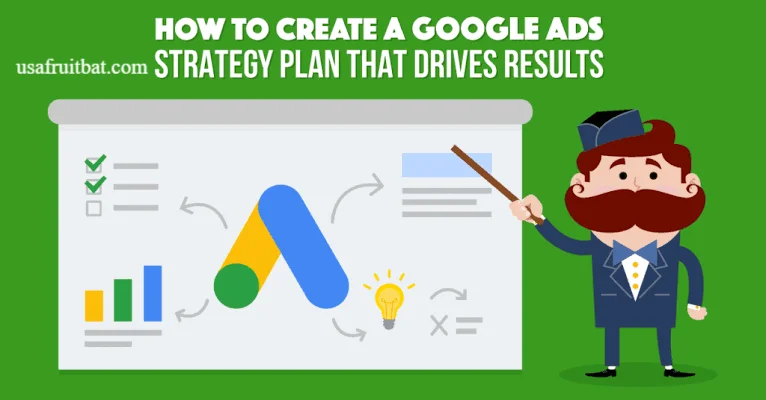
Advertising costs depend on several factors, including keyword competition, industry demand, location, audience targeting, and bidding strategy. Businesses operating in competitive industries may pay more for valuable keywords because multiple advertisers are competing for the same search placements. Less competitive search terms can sometimes provide affordable opportunities to attract relevant visitors.
Companies should establish realistic daily and monthly budgets before launching campaigns. Monitoring spending, adjusting bids, and removing irrelevant keywords can help control unnecessary expenses. However, the cheapest clicks are not always the most valuable. Businesses should focus on conversions, customer acquisition costs, and revenue rather than judging campaign success through traffic numbers alone.
Choosing the Right Paid Search Agency
Managing advertising campaigns requires research, technical knowledge, creativity, and regular optimization. Businesses with limited internal resources may benefit from working with a paid search agency. These agencies typically provide keyword research, campaign setup, advertisement development, bidding management, landing page recommendations, and performance reporting. Their expertise can help companies organize advertising activities and identify opportunities for improvement.
When comparing paid search companies, businesses should evaluate experience, industry knowledge, communication, pricing, and reporting practices. A specialized B2B paid search agency may be more suitable for organizations targeting professional buyers and business decision-makers. Before selecting a paid search advertising agency, ask about its campaign management process, performance measurement methods, client reporting, and approach to managing advertising budgets.
Common Paid Search Mistakes to Avoid
Even well-funded advertising campaigns can struggle when basic marketing principles are overlooked. One common mistake is targeting broad or irrelevant keywords that attract visitors who have little interest in the advertised products or services. Ignoring negative keywords can also waste advertising budgets by allowing advertisements to appear for unrelated searches.
Other problems include weak advertisement copy, poorly designed landing pages, unrealistic budgets, and missing conversion tracking. Businesses sometimes make frequent campaign changes without collecting enough performance data to understand their impact. Avoiding these mistakes requires careful planning, consistent monitoring, and a willingness to test different approaches based on measurable results.
Best Practices for Improving Paid Search Campaign Results
Continuous optimization is essential for maintaining strong advertising performance. Businesses should regularly review search term reports, identify irrelevant queries, and update negative keyword lists. Testing different headlines, descriptions, and calls to action can reveal which messages attract more qualified visitors. Advertisers should also make sure their landing pages provide information that directly matches the original search query.
Another useful practice is analyzing campaign results before adjusting budgets or bidding strategies. Businesses should monitor mobile performance, geographic targeting, conversion rates, and customer acquisition costs. Improving page loading speed and simplifying the conversion process can also create a better user experience. Consistent testing helps advertisers make informed decisions instead of relying on assumptions.
Google Paid Search Certification and Professional Skills
Digital marketing professionals can develop their advertising knowledge through Google Ads certifications and practical campaign experience. These learning opportunities introduce important concepts such as search advertising, keyword research, bidding strategies, campaign optimization, and performance measurement. Certification can demonstrate familiarity with advertising tools and support career development in digital marketing.
However, certification alone does not guarantee successful campaign management. Professionals also need analytical thinking, communication skills, creativity, and an understanding of customer behavior. Practical experience helps marketers recognize changing search trends, evaluate advertising performance, and make better decisions. Combining formal learning with real campaign management can build valuable skills for long-term career growth.
Future Trends in Paid Search Marketing
Advertising technology continues to evolve as search engines introduce new tools and features. Artificial intelligence is becoming increasingly important in keyword analysis, automated bidding, audience insights, and advertisement optimization. These technologies can help marketers manage campaigns more efficiently, although human oversight remains necessary to maintain relevance and protect advertising budgets.
Changes in search behavior and privacy expectations will also influence future advertising strategies. Businesses may need to rely more heavily on first-party data, relevant messaging, and accurate conversion measurement. As search experiences become more personalized, advertisers should continue testing new approaches and adapting their campaigns. Staying informed about platform updates can help businesses maintain competitive advertising strategies.
Conclusion

Building successful advertising campaigns requires more than simply paying for search engine placements. Businesses need a clear strategy that combines relevant keywords, compelling advertisements, appropriate bidding, optimized landing pages, and reliable performance tracking. Each element contributes to attracting the right audience and encouraging meaningful customer actions.
A well-managed approach can help companies generate qualified traffic, improve conversion opportunities, and make better use of their marketing budgets. Whether managing campaigns internally or working with an experienced agency, continuous analysis and optimization remain essential. By understanding customer intent and making data-driven decisions, businesses can create advertising campaigns that support sustainable digital growth.
Frequently Asked Questions About Paid Search
What is paid search in digital marketing?
It is an online advertising method that allows businesses to display sponsored advertisements on search engine results pages for relevant search queries.
How does paid search advertising work?
Advertisers select keywords, create advertisements, and participate in search engine auctions. Depending on the advertising model, they typically pay when users click their advertisements.
What is the difference between paid search and SEO?
Paid search uses sponsored advertisements to generate visibility, while SEO improves organic search rankings through content, technical improvements, and website authority.
How much does paid search advertising cost?
Costs vary depending on keyword competition, industry, location, targeting, and bidding strategy. Businesses can control spending by setting advertising budgets.
Is paid search effective for small businesses?
Yes. Small businesses can use focused keywords, geographic targeting, and controlled budgets to reach potential customers and generate valuable leads.
What does a paid search agency do?
A paid search agency manages advertising campaigns, researches keywords, creates advertisements, monitors budgets, and improves performance through ongoing optimization.
Which platforms are best for paid search advertising?
Google Ads and Microsoft Advertising are popular options. The best platform depends on the target audience, industry, advertising objectives, and available budget.
How can I improve my paid search campaign performance?
Improve keyword relevance, test advertisement copy, optimize landing pages, use negative keywords, monitor conversions, and regularly analyze campaign performance.
Also Read