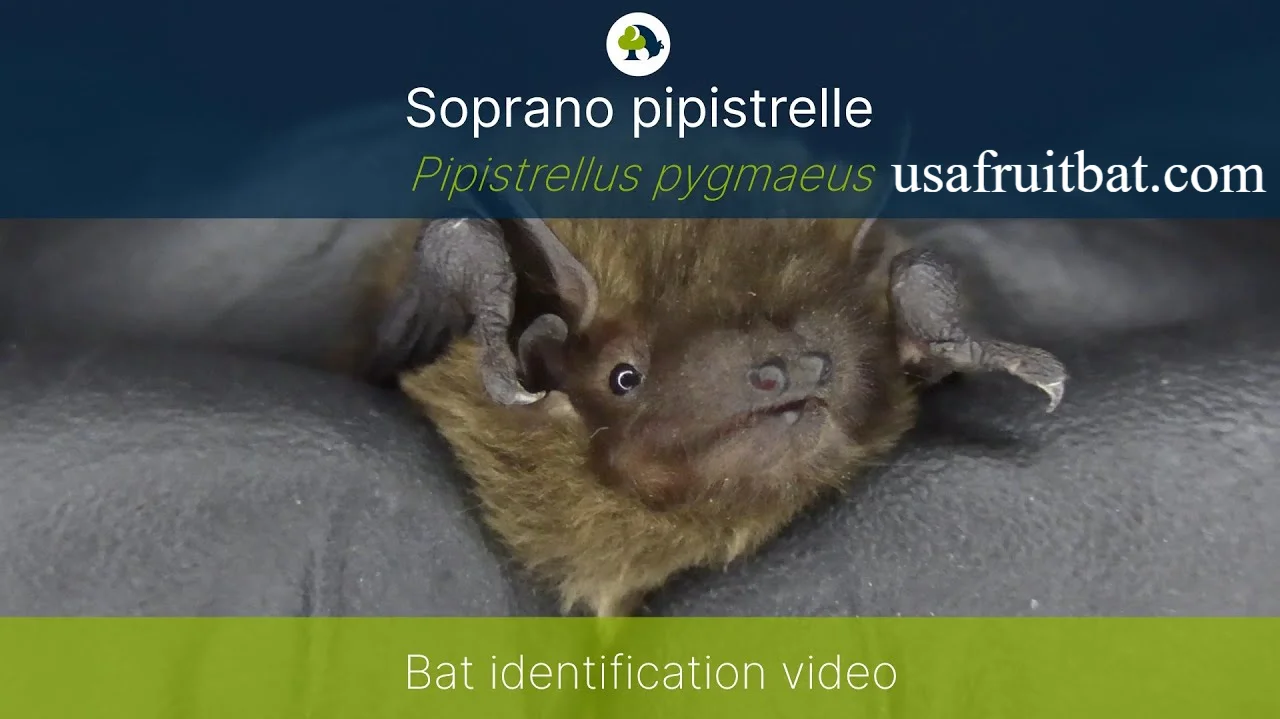
The soprano pipistrelle is one of Britain’s most widespread and familiar bat species. Its scientific name is Pipistrellus pygmaeus, and it is especially associated with wetlands, woodland edges, hedgerows, parks and gardens.
This small insect-eating bat looks very similar to the common pipistrelle, but its paler face and higher-frequency echolocation calls can help distinguish it. Despite its tiny size, it plays an important role in controlling flying insects such as midges and mosquitoes.
What Is a Soprano Pipistrelle?
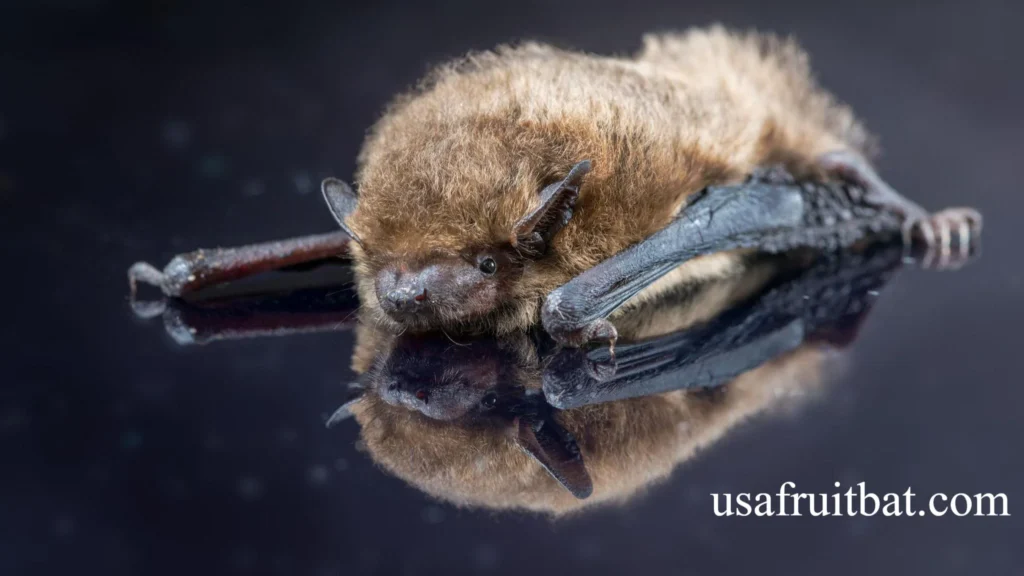
The soprano pipistrelle (Pipistrellus pygmaeus) is a small European bat belonging to the pipistrelle group. It is one of the commonest British bat species and is widely distributed across much of the UK.
The species was only recognized as separate from the common pipistrelle in the 1990s. Because the two bats look extremely similar, echolocation frequency is often one of the most useful ways to tell them apart.
A soprano pipistrelle typically:
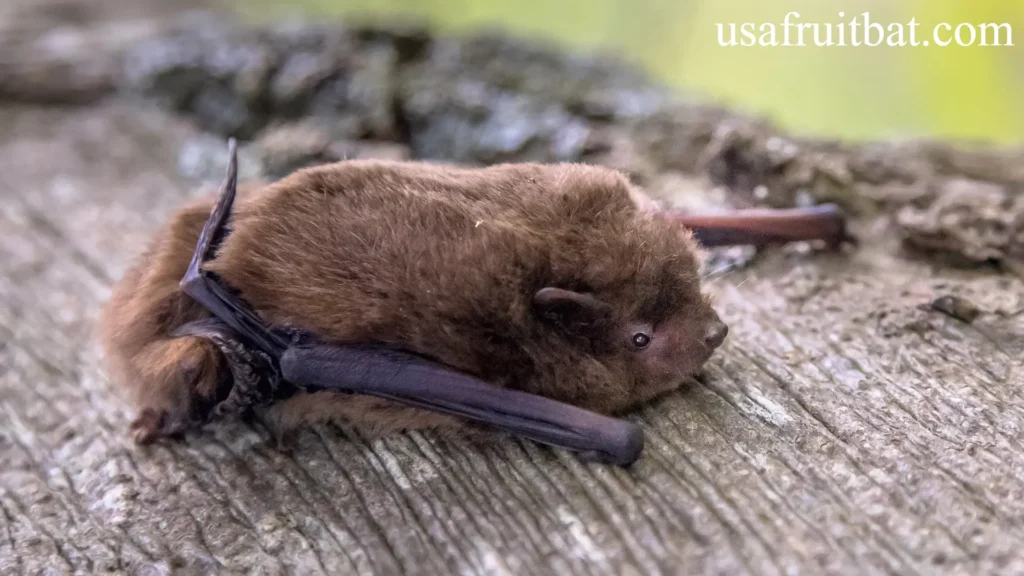
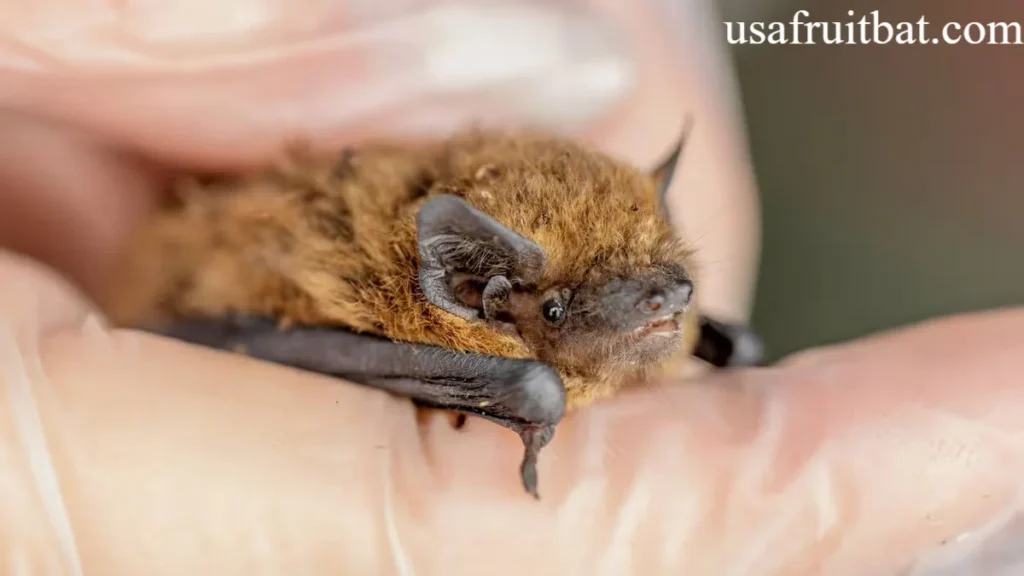
- Has medium to dark brown fur
- Has a relatively pale face
- Weighs around 3–8 grams
- Has a wingspan of approximately 190–230 mm
- Feeds mainly on small flying insects
- Often hunts near water
- Uses high-frequency echolocation
- Roosts in buildings, trees and bat boxes
Its small body and fast, agile flight make it well suited to catching insects in the air.
How Big Is a Soprano Pipistrelle?
The soprano pipistrelle is a very small bat, with a body length of only about 35–45 mm.
| Feature | Typical measurement |
|---|---|
| Head and body | 35–45 mm |
| Forearm | 29–34 mm |
| Wingspan | 190–230 mm |
| Weight | 3–8 g |
| Fur | Medium to dark brown |
The face and area around the eyes are usually pinkish or pale compared with the darker appearance of some other pipistrelle bats.
Its lightweight body allows it to maneuver rapidly while pursuing insects. This is particularly useful in cluttered environments such as woodland edges and around vegetation near water.
Where Do Soprano Pipistrelles Live?
Soprano pipistrelles are strongly associated with wetland habitats, although they can use several different environments.
They are commonly found around:
- Lakes
- Rivers
- Ponds and wetlands
- Woodland edges
- Tree lines
- Hedgerows
- Parks
- Suburban gardens
- Areas around buildings
One interesting characteristic of this species is that it appears more selective in its habitat use than the common pipistrelle. Areas containing water can be particularly valuable because they support large numbers of flying insects.
Soprano pipistrelles normally emerge from their roost at around 20 minutes after sunset. They may fly roughly 2–10 metres above ground while searching for prey.
What Does a Soprano Pipistrelle Eat?
The soprano pipistrelle is an insect-eating bat that catches prey while flying.
Its diet consists mainly of small flies, with midges and mosquitoes associated with water being particularly important prey.
This feeding strategy is known as aerial hawking. Instead of landing to consume insects, the bat captures prey during flight.
Its preference for areas near water makes ecological sense: lakes, rivers and wetlands can support substantial populations of small flying insects.
This means soprano pipistrelles can provide a useful natural insect-control service in the ecosystems where they occur.
Where Do Soprano Pipistrelles Roost?
Soprano pipistrelles use a variety of roosting locations.
During summer, they can be found in small crevices around buildings, including spaces:
- Behind hanging tiles
- Around soffit and eaves boarding
- Between roofing felt and roof tiles
- Inside cavity walls
- In tree holes and crevices
- Inside suitable bat boxes
Summer colonies can be considerably larger than winter groups. Some soprano pipistrelle maternity colonies contain several hundred bats and can sometimes exceed 1,000 individuals.
During winter, individuals or small groups may use crevices in buildings and trees as well as bat boxes. Unlike some bat species that regularly use underground hibernation sites, soprano pipistrelles are often found in relatively exposed locations.
How Do Soprano Pipistrelles Reproduce?
Female soprano pipistrelles form maternity colonies during the summer breeding season.
A female normally gives birth to a single young around June or early July. The newborn depends on its mother for nourishment during its early development.
For approximately three to four weeks, the young bat is fed entirely on its mother’s milk. At around four weeks old, it can begin flying, while at approximately six weeks it can forage independently.
Male soprano pipistrelles generally spend summer alone or in small groups.
The main mating period occurs from July to early September. Males establish territories associated with mating roosts and use repeated flights and social calls to attract females.
These behaviors demonstrate that bat communication involves more than echolocation alone.
What Frequency Does a Soprano Pipistrelle Use?
Soprano pipistrelle echolocation calls are generally detected between approximately 55 and 80 kHz using a heterodyne bat detector.
This relatively high frequency is one of the most useful clues for identifying the species acoustically.
Much of the bat’s echolocation is above the normal range of human hearing. With an appropriate bat detector, however, the calls can be transformed into sounds people can hear.
The calls can initially sound like a series of clicks toward the upper end of the frequency range. As the frequency drops, the sound can become more like a wetter or softer slap.
The peak intensity is around 55 kHz.
Why Is Echolocation Important?
Echolocation allows soprano pipistrelles to navigate and locate insects in darkness.
The bat produces high-frequency sounds and interprets the returning echoes. These echoes provide information about objects and potential prey in the surrounding environment.
For researchers and bat enthusiasts, echolocation is also an important identification tool.
Because soprano and common pipistrelles look so similar, listening with a bat detector can help separate the two species.
Soprano Pipistrelle vs Common Pipistrelle
The soprano pipistrelle and common pipistrelle are among the UK’s most widespread pipistrelle species. They are extremely similar in appearance and can be difficult to identify visually.
The most useful distinction is often their echolocation frequency.
| Feature | Soprano Pipistrelle | Common Pipistrelle |
|---|---|---|
| Scientific name | Pipistrellus pygmaeus | Pipistrellus pipistrellus |
| Typical call range | About 55–80 kHz | About 45–70 kHz |
| Face | Usually paler | Usually darker |
| Habitat | Often associated with wetlands | More generalist |
| Size | Very similar | Very similar |
| Diet | Mainly small flying insects | Mainly small flying insects |
Both species were recognized as separate species in the 1990s.
The common pipistrelle tends to use a wider range of habitats, while soprano pipistrelles show a stronger association with wetlands and water-rich environments.
Where Is the Soprano Pipistrelle Found?
The species is widely distributed throughout the UK, although it is less widespread in the far northern parts of Scotland.
It is one of Britain’s commonest bat species and can occur in both natural and human-modified environments.
Recent National Bat Monitoring Programme results continue to provide useful evidence about its status. The 2025 report, released in June 2026, found that soprano pipistrelle was one of only two regularly monitored UK bat species showing an increase in Great Britain over the previous five years. The programme monitors bat populations using surveys involving volunteers, roosts, waterways and field sites.
What Is the Conservation Status of the Soprano Pipistrelle?
The soprano pipistrelle is classified as Least Concern in Great Britain, England, Scotland, Wales and globally according to the classification provided by the Bat Conservation Trust.
However, “Least Concern” does not mean the species faces no threats.
Pipistrelle populations have experienced historical pressures, including changes in agricultural practices. Because soprano pipistrelles frequently use buildings as roosts, renovation work, exclusion from roosts and inappropriate chemical treatment of timber can also create risks.
Protecting known roosts and maintaining suitable feeding habitats are therefore important parts of bat conservation.
What Threats Affect Soprano Pipistrelles?
Several environmental and human activities can affect these bats.
Loss of insect-rich habitat
Because soprano pipistrelles depend heavily on flying insects, changes that reduce insect populations can affect their food supply.
Loss of roosts
Building renovations can unintentionally remove or disturb crevices used by bats.
Agricultural changes
Modern agricultural practices can reduce habitat quality and contribute to wider changes affecting insect populations.
Loss of vegetation
Removing woodland edges, tree lines and hedgerows can reduce useful commuting and feeding routes.
Conservation therefore needs to consider both the places bats sleep and the landscapes where they feed.
Are Soprano Pipistrelles Increasing?
The latest monitoring information gives some encouraging signs.
The Bat Conservation Trust’s 2025 National Bat Monitoring Programme report, published in June 2026, states that soprano pipistrelle was one of two monitored species showing an increase in Great Britain during the previous five years.
However, this recent improvement needs to be considered alongside historical declines and regional differences. Long-term monitoring remains important because bat populations can respond differently to changes in habitat, climate, farming practices and roost availability.
The National Bat Monitoring Programme has monitored UK bats for nearly three decades, making it an important source of information about population trends.
Key Soprano Pipistrelle Facts
Here are the most useful facts at a glance:
- Scientific name: Pipistrellus pygmaeus
- Group: Pipistrelle bat
- Size: About 35–45 mm body length
- Wingspan: About 190–230 mm
- Weight: Approximately 3–8 g
- Colour: Medium to dark brown
- Face: Usually paler around the face and eyes
- Main diet: Small flying insects
- Favorite prey: Midges and mosquitoes, particularly those associated with water
- Main habitats: Wetlands, rivers, lakes, woodland edges, parks and gardens
- Echolocation: Approximately 55–80 kHz
- Breeding: Usually one young per female
- Maternity period: Around June or early July
- Conservation status: Least Concern
- UK range: Widely distributed, except for the far north of Scotland
Frequently Asked Questions
Soprano pipistrelle vs common pipistrelle
The two species look very similar, but the soprano pipistrelle generally has a paler face and uses higher-frequency echolocation. Soprano pipistrelles also show a stronger association with wetlands, while common pipistrelles are more generalist in their habitat use.
Soprano pipistrelle size
A soprano pipistrelle has a head and body length of about 35–45 mm, a forearm length of 29–34 mm and a wingspan of approximately 190–230 mm. It weighs around 3–8 grams.
Soprano pipistrelle frequency
Its echolocation calls can be detected at approximately 55–80 kHz with a suitable bat detector. The peak intensity is around 55 kHz.
Soprano pipistrelle rabies
Like other bats, soprano pipistrelles are mammals and should not be handled unnecessarily. If a person is bitten or scratched by a bat, they should seek prompt medical advice rather than attempting to identify or treat the animal themselves.
Soprano pipistrelle sound
Its echolocation is generally beyond normal human hearing. A bat detector can make the calls audible, with sounds often described as clicks or wetter slaps depending on the frequency.
Soprano pipistrelle diet
The species mainly eats small flying insects, particularly midges and mosquitoes associated with aquatic habitats. It catches prey during flight through aerial hawking.
Soprano pipistrelle echolocation
The species uses high-frequency echolocation to navigate and detect flying insects. Its calls are generally detected between about 55 and 80 kHz.
Soprano pipistrelle flying
Soprano pipistrelles commonly emerge around 20 minutes after sunset and may fly approximately 2–10 metres above ground while searching for insects. They are agile aerial hunters and often forage around water, woodland edges, hedgerows and gardens.
About the Author: Hamid Ali is a wildlife writer covering bats, animal behavior, habitats, and conservation. He turns scientific information into clear, engaging guides that help readers better understand wildlife.
Author Name: Hamid Ali
Email: johanharwen314@gmail.com
Also Read:
