Pennsylvania is home to several fascinating woodpecker species, from tiny birds that visit backyard feeders to larger varieties that drum loudly against tree trunks. Their distinctive markings, strong bills, and unusual feeding habits make them interesting to observe throughout the year. However, identifying similar-looking species can sometimes be challenging, especially when they move quickly between branches.
If you are searching for small woodpeckers in PA, the Downy Woodpecker, Hairy Woodpecker, and Yellow-bellied Sapsucker are excellent birds to learn about. Each has recognizable features that help distinguish it from other Pennsylvania species. By paying attention to body size, bill shape, feather patterns, calls, and habitat, you can become more confident at identifying these birds in forests, parks, and your own backyard.
What Are the Different Types of Woodpeckers in PA?
Pennsylvania supports seven regularly occurring woodpecker species. They vary in size, appearance, feeding behavior, and habitat preferences. Some are common backyard visitors, while others are more frequently noticed in mature forests, wooded parks, and areas with plenty of dead or decaying trees. Learning their names and identifying features makes birdwatching more enjoyable and helps you recognize different species throughout the seasons.
The commonly encountered species include the Downy Woodpecker, Hairy Woodpecker, Red-bellied Woodpecker, Pileated Woodpecker, Northern Flicker, Yellow-bellied Sapsucker, and Red-headed Woodpecker. Although they share strong, pointed bills and specialized feet for climbing, their markings and body proportions are different. Some have bright red head patterns, while others feature black-and-white feathers that provide excellent camouflage against tree bark.
sourecs: pa.gov
Small Woodpeckers in PA You Should Know
The Downy Woodpecker is the smallest woodpecker in North America and one of the most familiar birds in Pennsylvania. It measures approximately six inches long and has a short bill, black-and-white wings, and a white back. Males usually have a small red patch on the back of the head, while females lack this marking. These adaptable birds frequently visit backyard feeders and search tree branches for insects.
The Hairy Woodpecker looks remarkably similar but has a larger body and a noticeably longer bill. Another smaller species is the Yellow-bellied Sapsucker, which has a patterned black-and-white body, a pale belly, and distinctive red markings on the head. These birds are especially interesting because they drill organized rows of small holes in trees to collect sap and attract insects.
| Species | Approximate length | Identifying features |
|---|---|---|
| Downy Woodpecker | 6–7 inches | Short bill, black-and-white feathers |
| Hairy Woodpecker | 9–10 inches | Longer bill, larger body |
| Yellow-bellied Sapsucker | 8–9 inches | Red head markings, barred back |
How to Identify Small Woodpeckers in Pennsylvania
Identifying smaller woodpeckers becomes easier when you examine several physical features instead of relying on color alone. Start by estimating the bird’s body size and comparing it with familiar backyard birds. Next, observe its bill, because the Downy Woodpecker has a relatively short bill, whereas the Hairy Woodpecker has a longer, stronger-looking one. These differences can be surprisingly helpful when both species appear at the same feeder.
Pay attention to feather patterns, head markings, and the bird’s behavior. Some woodpeckers have white patches on their backs, while others display striped wings or noticeable red areas around the head. You can also observe how they search for food, move along tree trunks, and respond to nearby birds. Taking clear photographs can help you compare these details later without disturbing the wildlife.
Female Woodpeckers in PA and How to Recognize Them
Female woodpeckers in Pennsylvania can look very similar to males, but small differences in head markings often make identification possible. For example, male Downy and Hairy Woodpeckers generally have a red patch on the back of the head, while females usually have black-and-white head patterns without that red marking. Both sexes share similar body shapes, feeding habits, and preferred environments.
Juvenile woodpeckers may also look different from adults because their feathers and head markings are still developing. Depending on the species, young birds can have less distinct patterns or unusual reddish markings. When identifying a woodpecker, consider its age, sex, bill shape, and overall appearance together. This approach is more reliable than depending on one colorful feather or marking.
Common and Large Woodpeckers in PA
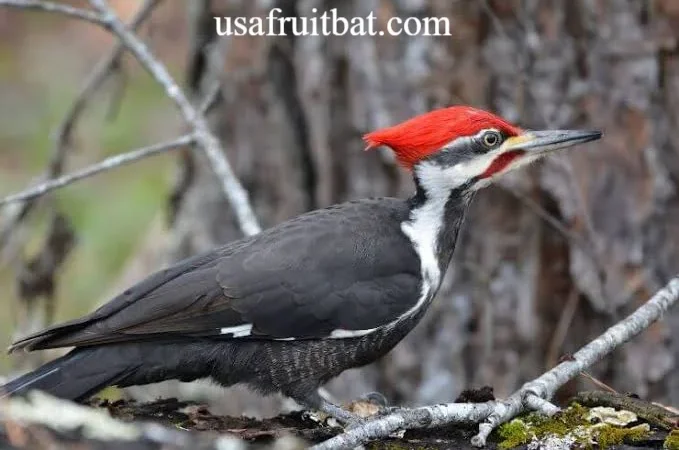
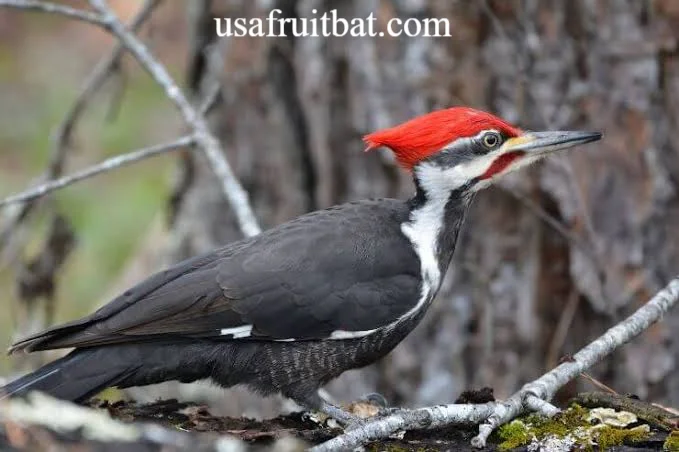
Although smaller birds attract plenty of attention, Pennsylvania also has several larger woodpecker species worth recognizing. The Red-bellied Woodpecker has a pale belly, black-and-white barred back, and red coloring on its head. The Pileated Woodpecker is particularly impressive, with a large body, long bill, and bright red crest. Its powerful movements and loud calls often make its presence noticeable in wooded areas.
The Northern Flicker is another interesting species, recognized by its spotted underside and colorful markings visible during flight. The Red-headed Woodpecker stands out because of its completely red head, white body, and large black-and-white wing patches. These birds differ considerably in appearance, making them easier to distinguish once you understand their characteristic features and typical habitats.
Woodpeckers in PA Sounds and Calls
Woodpecker sounds provide another useful way to recognize different species. Their communication includes sharp calls, repeated tapping, and rhythmic drumming against tree trunks. Drumming is especially noticeable during territorial displays and courtship. Although it may sound like ordinary hammering, the rhythm, speed, and repetition can help experienced birdwatchers recognize a nearby woodpecker even when its body remains hidden behind branches.
Downy Woodpeckers produce short, high-pitched calls and rapid drumming patterns, while Hairy Woodpeckers have somewhat louder calls. Pileated Woodpeckers make distinctive, ringing vocalizations that can carry through forests. Listening carefully during quiet mornings can help you locate birds before spotting them. Recording their sounds and comparing them with reliable bird identification guides can also improve your recognition skills.
Where to Find Small Woodpeckers in Pennsylvania
Woodpeckers live in several types of environments across Pennsylvania. Deciduous forests, mixed woodlands, wooded parks, and residential neighborhoods can all provide suitable feeding and nesting areas. Smaller species often search tree trunks, branches, and even thin twigs for insects. Areas containing mature trees and natural vegetation generally offer more opportunities to observe these active birds.
- Local parks with mature trees.
- Forest trails and nature preserves.
- Residential yards with established trees.
- Woodland edges and mixed forests.
- Areas with standing dead trees and fallen branches.
Seasonal changes can influence where birds search for food. During colder months, backyard feeders become useful observation spots, while spring and summer bring increased nesting and territorial activity. If you want to observe small woodpeckers in PA, choose quiet locations, watch tree trunks carefully, and give birds enough space to behave naturally.
Pictures of Woodpeckers in PA: Visual Identification Guide
Pictures are extremely helpful when identifying woodpeckers because several species share similar feather colors and patterns. A clear photograph allows you to examine details that may be difficult to notice through binoculars. Look closely at the bird’s bill, head markings, back, wings, and belly. Comparing photographs of Downy and Hairy Woodpeckers is particularly useful because their black-and-white patterns can appear almost identical at first glance.
- Downy Woodpecker showing its short bill and small body.
- Hairy Woodpecker displaying its longer bill.
- Yellow-bellied Sapsucker showing its patterned back.
- Red-bellied Woodpecker with its barred wings.
- Pileated Woodpecker displaying its prominent red crest.
- Northern Flicker showing its spotted underside.
- Red-headed Woodpecker with its bright red head.
Use properly licensed or original photographs with descriptive captions and accurate alt text. Clear images can improve the educational value of your article while helping readers compare species more confidently.
Best Seasons to Spot Woodpeckers in PA
Woodpeckers can be observed throughout much of the year in Pennsylvania, although different species have seasonal movements. Downy and Hairy Woodpeckers are resident birds, meaning they generally remain in the state throughout the year. Spring and summer offer opportunities to observe nesting activity, feeding adults, and young birds exploring nearby trees. During these months, woodlands can become especially active with bird calls and drumming.
Fall and winter provide different birdwatching opportunities. Yellow-bellied Sapsuckers move through Pennsylvania during migration, while resident woodpeckers become easier to spot against bare tree branches. Cold weather also encourages birds to visit feeders for additional food. Early morning is often a productive time to watch them because birds are actively searching for insects, seeds, and other food sources.
How to Attract Small Woodpeckers to Your Backyard
You do not always need to visit a forest to enjoy woodpecker watching. A backyard with mature trees, natural vegetation, and suitable food can attract several species. Suet feeders are particularly useful during colder weather because they provide an energy-rich food source. Sunflower seeds and peanuts can also attract birds, although feeding preferences vary among individual species.
- Install a sturdy suet feeder in a quiet location.
- Offer suitable sunflower seeds and unsalted peanuts.
- Maintain mature trees whenever they are safe.
- Provide a clean source of fresh water.
- Avoid unnecessary pesticide use.
- Keep cats and other domestic predators away from feeding areas.
Natural nesting cavities and standing dead trees can also provide valuable shelter. Avoid removing healthy habitat simply to create a tidier-looking yard. A wildlife-friendly outdoor space supports insects, nesting opportunities, and other birds alongside woodpeckers.
Why Woodpeckers Are Important to Pennsylvania’s Ecosystem
Woodpeckers play an important role in maintaining healthy forest ecosystems. Many species feed on ants, beetle larvae, and other insects found beneath tree bark. By searching for these food sources, they help regulate insect populations. Their feeding activities also create openings in tree bark and expose insects that other wildlife may use as food.
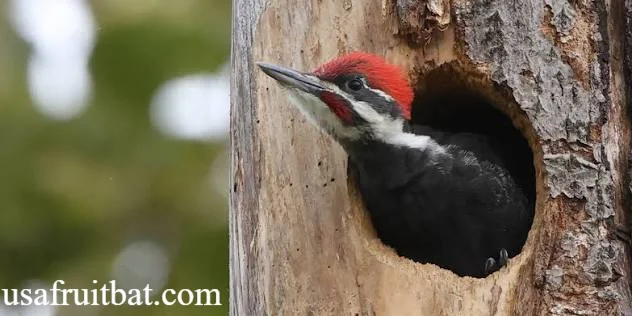
Another important contribution comes from their nesting cavities. Woodpeckers create holes in trees that can later provide shelter for other animals, including small birds and mammals. These natural nesting spaces support biodiversity and make forests more useful for different wildlife species. Protecting mature trees, preserving suitable woodland habitats, and reducing unnecessary chemical use can help Pennsylvania’s woodpeckers continue performing these valuable ecological roles.
Tips for Photographing and Observing Woodpeckers in PA
Photographing woodpeckers requires patience because these birds rarely remain still for long. Binoculars can help you locate them in tree branches before attempting to take pictures. A camera with a zoom lens is useful for capturing feather patterns, bill shapes, and head markings from a respectful distance. Avoid approaching nests or repeatedly disturbing birds just to obtain a closer photograph.
Keep a simple birdwatching journal to record the species you observe, their locations, and the dates of your sightings. You can also note their calls, feeding behavior, and preferred trees. These observations make it easier to compare different species over time. For beginners interested in small woodpeckers in PA, combining photographs with written observations is an effective way to develop identification skills.
Conclusion
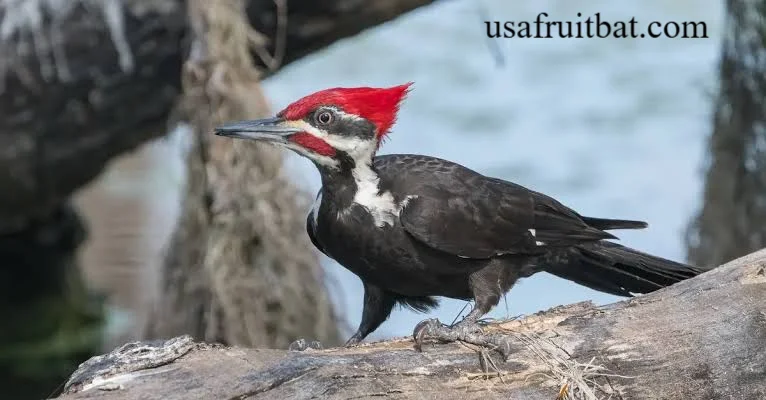
Pennsylvania offers excellent opportunities to observe woodpeckers in forests, parks, and residential backyards. From the tiny Downy Woodpecker to the larger Pileated Woodpecker, every species has distinctive characteristics worth discovering. Learning to recognize their size, bill shape, feather patterns, calls, and feeding habits makes birdwatching more rewarding.
If you want to identify small woodpeckers in PA, start by learning the differences between Downy and Hairy Woodpeckers. Explore local wooded areas, observe backyard feeders, and use clear photographs to compare unfamiliar birds. With patience and regular observation, you can become more confident at recognizing Pennsylvania’s fascinating woodpecker species while helping protect their natural habitats.
Frequently Asked Questions
What are the smallest woodpeckers found in Pennsylvania?
The Downy Woodpecker is the smallest woodpecker in Pennsylvania, measuring approximately six inches long.
How can you tell a Downy Woodpecker from a Hairy Woodpecker?
The Downy has a shorter bill and smaller body, while the Hairy has a longer bill and larger overall size.
How many different types of woodpeckers live in PA?
Pennsylvania has seven regularly occurring woodpecker species, including the Downy, Hairy, Pileated, and Red-bellied Woodpeckers.
What do female woodpeckers in Pennsylvania look like?
Female woodpeckers generally have similar feather patterns to males, but females of some species lack the male’s red head markings.
Are Pileated Woodpeckers common in Pennsylvania?
Pileated Woodpeckers occur throughout suitable forest habitats in Pennsylvania and are recognizable by their large size and red crests.
What sounds do small woodpeckers in PA make?
They produce short calls, sharp notes, and rapid drumming sounds when communicating, defending territories, or attracting mates.
Where is the best place to see woodpeckers in Pennsylvania?
Mature forests, wooded parks, nature preserves, and backyards with established trees are good places to observe woodpeckers.
What food attracts small woodpeckers to backyard feeders?
Suet, sunflower seeds, and unsalted peanuts can attract smaller woodpeckers to suitable backyard feeders.
Also Read