Introduction
Have you ever tasted something so bold, so refreshing, and so deeply rooted in culture that it stops you in your tracks? That is exactly what happens the first time you sip a proper jamaica drink. This brilliant crimson beverage, brewed from dried hibiscus flowers, has been quenching thirsts and winning hearts for centuries across Latin America, the Caribbean, and beyond.
The jamaica drink goes by many names. You may know it as agua de jamaica, hibiscus tea, roselle water, or sorrel drink. Regardless of what you call it, the experience is unmistakable: a tart, floral, ruby-red liquid that works equally well as an iced summer cooler or a warm winter tea.
In this article, you will discover the full story of the jamaica drink. We cover its origins, its impressive health benefits, how to make it at home, its commercial potential, and the trends driving its rise in the global wellness market. Whether you are a curious consumer or a business-minded entrepreneur, this guide gives you everything you need.
What Exactly Is the Jamaica Drink?
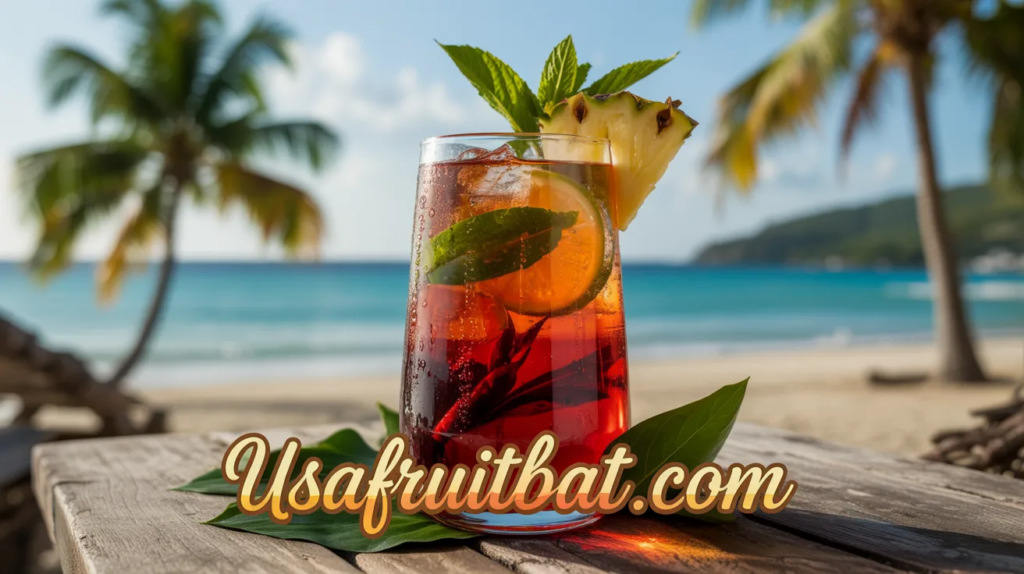
The jamaica drink is made from the dried calyces of the Hibiscus sabdariffa plant. These deep-red petals are steeped in hot water, sweetened, and then served chilled or warm. The result is a naturally caffeine-free beverage with a distinctive sour-sweet flavor profile that resembles cranberry with floral undertones.
The drink is deeply embedded in the food cultures of Mexico, Jamaica, Egypt, Sudan, and Senegal. In Mexico, it is a staple at taquerias and family celebrations. In Jamaica, the sorrel version is a Christmas tradition. In Egypt and Sudan, it appears as karkade, consumed both hot and cold throughout the day.
Today, the jamaica drink has moved well beyond its traditional roots. You can find it in specialty cafes in New York, health food stores in London, and supermarket shelves across South America. Its global appeal is no accident.
The Core Ingredients
A traditional jamaica drink uses just a few simple ingredients:
- Dried hibiscus calyces (the star of the show)
- Water (filtered works best for a clean flavor)
- Sugar or a natural sweetener like agave or honey
- Optional additions: cinnamon sticks, ginger, cloves, or lime juice
The simplicity of the ingredient list is part of what makes this drink so attractive to both home brewers and commercial producers. You do not need fancy equipment or exotic spices to create something truly special.
The Rich History Behind the Jamaica Drink
The history of the jamaica drink stretches back thousands of years. The Hibiscus sabdariffa plant originates in West Africa, where it was consumed for both its nutritional value and its medicinal properties. West African traders and enslaved peoples carried the plant and its traditions across the Atlantic during the colonial era.
By the 17th and 18th centuries, hibiscus cultivation had spread throughout the Caribbean and Central America. In Jamaica, the plant was grown extensively on plantations, and the Christmas sorrel drink became a beloved holiday tradition that persists to this day. In Mexico, agua de jamaica became a household staple, passed down through generations as an everyday refreshment.
This deep cultural history is one of the most compelling selling points of the jamaica drink in today’s market. Consumers increasingly want products with authentic stories and heritage. This beverage delivers exactly that.
Impressive Health Benefits That Drive Consumer Demand
One of the biggest reasons the jamaica drink has gained serious traction in the wellness industry is its remarkable health profile. Modern research has validated many of the traditional health claims associated with this beverage, making it a natural fit for health-conscious consumers.
Key Health Benefits Backed by Research
- Blood Pressure Reduction: Multiple clinical studies have shown that regular consumption of hibiscus tea can significantly lower systolic blood pressure in adults with hypertension. A 2010 study published in the Journal of Nutrition found that three cups of hibiscus tea daily reduced systolic blood pressure by an average of 7.2 mmHg.
- Rich in Antioxidants: Hibiscus calyces contain high concentrations of anthocyanins, flavonoids, and vitamin C. These antioxidants fight free radicals in the body, reducing inflammation and supporting long-term health.
- Supports Liver Health: Research suggests that hibiscus extract may help protect the liver from damage and support healthy liver enzyme levels.
- Cholesterol Management: Some studies indicate that hibiscus consumption may help lower LDL (bad) cholesterol while supporting healthy HDL (good) cholesterol levels.
- Naturally Caffeine-Free: Unlike coffee or black tea, the jamaica drink contains no caffeine, making it suitable for people of all ages and those sensitive to stimulants.
- Weight Management Support: Hibiscus has been studied for its potential to inhibit the absorption of starch and sucrose, which may support weight management goals.
From a business perspective, these health benefits are pure gold. The global functional beverage market was valued at over $125 billion in 2023 and continues to grow rapidly. The jamaica drink sits perfectly within this trend as a naturally functional, minimally processed beverage with real science behind it.
How to Make the Perfect Jamaica Drink at Home
Making the jamaica drink at home is one of the easiest things you can do in the kitchen. The process is straightforward, and the results are consistently delicious. Here is the classic method used across Mexico and the Caribbean.
Classic Agua de Jamaica Recipe (Serves 6)
Ingredients:
- 2 cups dried hibiscus calyces
- 8 cups water (divided)
- 3/4 cup granulated sugar (adjust to taste)
- 1 cinnamon stick (optional)
- 1 tablespoon fresh lime juice (optional)
Instructions:
- Bring 4 cups of water to a boil in a medium saucepan.
- Add the dried hibiscus calyces and cinnamon stick if using.
- Remove from heat and steep for 15 to 20 minutes.
- Stir in the sugar while the liquid is still warm until fully dissolved.
- Strain the liquid through a fine mesh sieve, pressing on the calyces to extract maximum flavor.
- Add the remaining 4 cups of cold water and lime juice.
- Refrigerate until chilled. Serve over ice.
I personally love adding a thin slice of fresh ginger during the steeping process. It adds a warm, spicy note that balances the tartness beautifully. Try it once and you will never go back to the plain version.
Popular Variations of the Jamaica Drink
The base recipe is just the beginning. Here are some popular variations you should explore:
- Jamaica Cocktail: Mix chilled jamaica drink with white rum, fresh lime juice, and simple syrup for a stunning hibiscus margarita or spritz.
- Sparkling Jamaica: Replace some of the water with sparkling water just before serving for a fizzy, refreshing twist.
- Jamaican Sorrel: The Caribbean version uses fresh sorrel (hibiscus), ginger, cloves, and allspice, typically served at Christmas.
- Jamaica Smoothie: Blend chilled jamaica drink with frozen berries, banana, and a splash of coconut milk for a nutrient-packed breakfast.
- Hot Jamaica Tea: Serve the strained concentrate hot with honey and a cinnamon stick for a warming winter drink.
The Business Case for the Jamaica Drink
If you are looking at the jamaica drink from a business angle, the opportunity is real and growing. Consumer trends are aligning powerfully in favor of this beverage. Let’s break down the commercial landscape.
Market Size and Growth Trends
The hibiscus tea and beverage market has seen consistent double-digit growth over the past five years. According to market research reports, the global hibiscus products market is projected to reach $1.5 billion by 2028. Several key trends are driving this growth:
- Rising demand for natural, plant-based beverages with health claims
- Growing Latino and Caribbean diaspora populations in North America and Europe
- Mainstream consumer interest in global flavors and authentic cultural experiences
- The clean-label movement pushing consumers away from artificial ingredients
- Increased social media visibility through platforms like TikTok, Instagram, and Pinterest
Business Models Around the Jamaica Drink
Whether you are a startup founder, a foodservice operator, or a retail brand, there are multiple viable ways to build a business around the jamaica drink:
- Ready-to-Drink (RTD) Bottled Beverages: The RTD segment is booming. Several brands have already launched bottled hibiscus drinks in major grocery chains. The key differentiators are organic certification, minimal sugar content, and compelling brand storytelling.
- Dried Hibiscus Retail Packs: Selling high-quality dried hibiscus calyces directly to consumers through e-commerce or specialty food stores is a low-barrier entry point with strong margins.
- Restaurant and Cafe Integration: Adding a well-crafted jamaica drink to your beverage menu can be a strong differentiator. It pairs exceptionally well with Mexican, Caribbean, fusion, and plant-based menus.
- Hibiscus Cocktail Mixers: The craft cocktail industry has embraced hibiscus enthusiastically. A concentrated jamaica drink syrup marketed as a premium cocktail mixer can command significant retail prices.
- Wellness and Supplement Products: Hibiscus extract capsules, powders, and concentrated shots are a growing category in the nutraceutical space.
Competitive Advantages in the Market
The jamaica drink has several natural competitive advantages over other health beverages. Its brilliant red color is visually striking on shelves and on social media. Its flavor profile is complex and distinctive. Its cultural authenticity resonates with increasingly diversity-aware consumers. And its health credentials are backed by real scientific research.
Compared to kombucha, which requires refrigeration and has a challenging flavor profile for some consumers, the jamaica drink is more accessible. Compared to green tea, it offers a far more visually appealing product with stronger cultural storytelling. It is a genuinely differentiated product in a crowded market.
How to Source and Use Quality Hibiscus for Your Jamaica Drink
The quality of your dried hibiscus directly determines the quality of your jamaica drink. This matters whether you are making it at home or sourcing ingredients at commercial scale. Here is what you need to look for.
What to Look for When Buying Dried Hibiscus
- Deep crimson to burgundy color: Pale or brownish hibiscus has lost its potency and will produce a weak, dull-tasting drink.
- Strong, tart aroma: Fresh dried hibiscus should smell distinctly floral and sour. A musty or flat smell indicates poor quality or improper storage.
- Whole calyces vs. crushed: Whole calyces generally preserve flavor better than crushed or powdered hibiscus.
- Origin matters: Mexican and Egyptian hibiscus are widely regarded as the highest quality for beverage use. Sudan is also a major producer of premium hibiscus.
- Organic certification: For premium retail products, organic certification is increasingly expected by health-conscious buyers.
Jamaica Drink Around the World: Cultural Variations
One of the most fascinating aspects of the jamaica drink is how it takes on different identities around the world while remaining fundamentally the same beverage. Understanding these variations is useful for businesses that want to market authentically to specific communities.
- Mexico (Agua de Jamaica): The most widely known version, typically served cold and sweetened. Found everywhere from street tacos stands to fine dining restaurants. Often made with piloncillo (unrefined cane sugar) for added depth.
- Jamaica (Sorrel Drink): Made with fresh or dried sorrel, ginger, cloves, and allspice. Traditionally served during Christmas and New Year celebrations. Often fermented slightly or spiked with rum.
- Egypt and Sudan (Karkade): Consumed both hot as a tea and cold as a refreshment. A popular wedding drink in Egypt. Known locally for its blood pressure lowering properties.
- West Africa (Bissap): In Senegal and other West African countries, bissap is the national drink. Often flavored with orange blossom water and mint. Served at ceremonies and as everyday refreshment.
- Southeast Asia: Hibiscus drinks are growing in popularity in Thailand and Malaysia, where they are often served with pandan or lemongrass.
SEO and Digital Marketing Opportunities for Jamaica Drink Brands
If you are marketing a product in the hibiscus beverage space, digital visibility is everything. The keyword landscape around the jamaica drink is rich with opportunity. Search volumes for terms like “agua de jamaica recipe,” “hibiscus tea benefits,” and “jamaica drink” have grown steadily year over year.
Content marketing is particularly powerful in this space. Recipe content, health benefit articles, cultural story pieces, and video tutorials all perform exceptionally well for hibiscus drink brands. Consumers searching for this category are curious, health-motivated, and highly engaged.
Social media is equally powerful. The deep red color of the jamaica drink is inherently photogenic. User-generated content campaigns around the drink tend to generate strong organic reach. TikTok and Instagram Reels showing the steeping process, the vivid color transformation, and creative cocktail applications regularly go viral.
Potential Challenges and What to Watch Out For
No business opportunity comes without its challenges. The jamaica drink market has a few considerations worth understanding before you invest.
- Tartness is polarizing: The tart flavor of the jamaica drink is what makes it special, but it can be off-putting to consumers unfamiliar with it. Proper sweetening and flavor balancing are critical for mainstream commercial appeal.
- Supply chain considerations: Hibiscus is primarily grown in developing countries. Supply chain disruptions, weather events, and quality inconsistencies can affect commercial producers. Building relationships with multiple reliable suppliers is essential.
- Health claims regulation: Marketing a jamaica drink with specific medical health claims requires careful navigation of food and beverage advertising regulations in most markets. Work with a regulatory consultant if you intend to make therapeutic claims.
- Competition from established tea brands: Large tea and beverage companies have noticed the hibiscus trend and are launching their own products. Smaller brands need a strong point of difference in quality, story, or positioning.
- Shelf life management: High-quality dried hibiscus maintains its potency for up to two years when stored properly. RTD bottled products have their own shelf-life considerations that affect distribution strategy.
Conclusion: Why the Jamaica Drink Deserves Your Attention
The jamaica drink is not a passing trend. It is a beverage with deep roots, proven health benefits, global cultural significance, and a growing commercial opportunity. Whether you are a home cook looking for a delicious new recipe, a health enthusiast seeking a natural functional beverage, or an entrepreneur exploring the booming wellness drink market, the jamaica drink rewards your attention.
What makes this drink truly special is how it manages to be so many things at once: a health supplement, a cultural artifact, a culinary ingredient, a cocktail mixer, and a business opportunity. Few beverages can claim that kind of versatility.
So here is our challenge to you: make a batch of agua de jamaica this week. Use the recipe above, experiment with your own additions, and see what you create. Then share your experience. The world of the jamaica drink is surprisingly rich, and we think you will be pleasantly surprised by just how good it is.
Have you tried making the jamaica drink at home before? What is your favorite variation? Drop your thoughts in the comments below. We would love to hear from you.
Frequently Asked Questions (FAQs)
1. What does the jamaica drink taste like?
The jamaica drink has a tart, tangy, and floral flavor that resembles cranberry juice with a hint of rose. It is naturally acidic, which is why it is typically sweetened before serving. The flavor can range from mild to intensely sour depending on the steeping time and the concentration of hibiscus used.
2. Is the jamaica drink the same as hibiscus tea?
Yes, they are made from the same ingredient: dried Hibiscus sabdariffa calyces. The main difference is context and preparation. Hibiscus tea often refers to the hot, unsweetened version consumed in Asia and Africa. The jamaica drink typically refers to the sweetened, chilled version popular in Latin America and the Caribbean.
3. Is the jamaica drink good for blood pressure?
Research does support the blood pressure-lowering effects of hibiscus. Multiple studies have shown that regular consumption of hibiscus tea can reduce systolic blood pressure. However, you should always consult a healthcare professional before using it as a treatment for hypertension, especially if you are already on blood pressure medication.
4. How long does homemade jamaica drink last in the refrigerator?
Properly stored in an airtight glass container, homemade jamaica drink will last 5 to 7 days in the refrigerator. You may notice the color deepening slightly over time, but the flavor remains good. Do not store it at room temperature once made.
5. Can you drink jamaica every day?
For most healthy adults, drinking one to two glasses of jamaica drink daily is perfectly safe and potentially beneficial. However, very high consumption over long periods may affect kidney function due to its oxalic acid content. People who are pregnant, have kidney conditions, or are on blood pressure medication should consult their doctor.
6. Does the jamaica drink have caffeine?
No. Pure hibiscus tea and the jamaica drink are completely caffeine-free. This makes them an excellent choice for people who are sensitive to caffeine, for children, or for those who want a relaxing beverage in the evening.
7. Where can I buy dried hibiscus to make the jamaica drink?
You can find dried hibiscus calyces at Latin American grocery stores, Middle Eastern supermarkets, health food stores, and online retailers like Amazon. Look for deep-red, aromatic calyces from reputable suppliers. Mexican and Egyptian hibiscus are particularly well-regarded.
8. Can the jamaica drink be served hot?
Absolutely. Hot hibiscus tea is a popular beverage in Egypt, Sudan, and other parts of Africa. It is warming, flavorful, and deeply comforting. Try it hot with honey and a cinnamon stick on a cold day. It is a completely different experience from the chilled version, but equally delicious.
9. Is jamaica drink good for weight loss?
Some research suggests that hibiscus may help inhibit the digestion of starch and fat, supporting weight management. However, it is not a magic weight loss solution. When made with minimal sugar, the jamaica drink is very low in calories and can be a healthy replacement for sugary sodas and juices as part of a balanced diet.
10. What alcohol pairs well with the jamaica drink?
The jamaica drink pairs beautifully with white rum, tequila, vodka, and mezcal. Its tartness and floral character balance the bite of spirits exceptionally well. A jamaica margarita with tequila, triple sec, and fresh lime juice is a particular standout. It also mixes well with prosecco or champagne for a stunning hibiscus spritz.
Also Read In usafruitbat.com
Email: johanharwen314@gmail.com
Author Name: Hamid Ali
About the Author: Hamid Ali is a passionate food and beverage writer with over a decade of experience covering the global wellness drink industry. He specializes in the cultural history of traditional beverages, natural health ingredients, and the growing functional drinks market. Hamid has traveled extensively across Latin America, the Caribbean, and Africa to explore local food traditions firsthand, and he brings that authentic perspective to every piece he writes. When he is not writing, you will find him experimenting with new hibiscus recipes in his kitchen or consulting for emerging beverage brands on content strategy and market positioning.