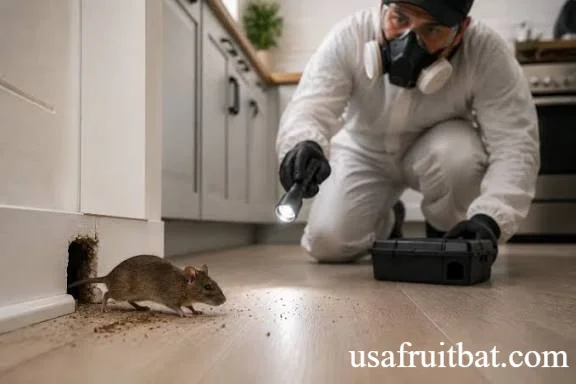

Skunks can become unwanted visitors when they start digging through gardens, searching for food around garbage cans, or making shelter beneath porches and houses. Although these animals generally avoid people, an unexpected encounter can become unpleasant if a frightened skunk releases its defensive spray. Knowing how to manage the situation safely can protect your family, pets, and property.
Learning how to trap a skunk in a cage requires more than choosing a suitable live trap and adding bait. You also need to understand skunk behavior, recognize warning signs, follow local wildlife regulations, and have a safe removal plan before attempting capture. This guide explains important trapping considerations, ways to reduce the risk of spraying, and humane alternatives that may solve the problem without unnecessary stress to the animal.
Understanding Skunk Behavior Before Setting a Trap
Skunks are generally shy, mostly nocturnal animals that prefer searching for food after sunset. They often visit residential properties because they can find insects, grubs, fallen fruit, pet food, and accessible garbage. During colder weather, they may also look for sheltered places beneath decks, sheds, porches, and houses where they can rest safely.
Understanding their behavior is important before considering trapping. Skunks usually give warning signals when they feel threatened, including stomping their front feet, raising their tails, turning their backs, and hissing. These behaviors indicate that the animal wants more distance. Approaching, chasing, or cornering it can increase the possibility of spraying, so keeping a safe distance is always the better choice.
sourecs: theprovidentprepper.org
Choosing the Right Cage or Live Trap for a Skunk
A live cage trap is a device designed to temporarily contain an animal without immediately injuring it. However, not every cage is appropriate for skunks. A suitable design should have secure construction, smooth edges, adequate ventilation, and enough room for the animal to move without becoming unnecessarily confined.
Some specialized skunk traps feature solid or partially enclosed sides that help limit the animal’s visibility and reduce external disturbances. Traditional wire cages may expose the skunk to more movement and activity around it. Before selecting a trap, check its intended use, manufacturer instructions, and local regulations. A licensed wildlife professional can help determine whether trapping is appropriate for your particular situation.
How to Trap a Skunk in a Cage Safely and Humanely
Before attempting to capture a skunk, identify where it regularly travels and whether it is simply passing through or using your property as a shelter. Look for tracks, digging, disturbed soil, and possible den entrances. Avoid disturbing the animal or placing a trap near an occupied den. If babies may be present, professional wildlife assistance is especially important because separating a mother from her young can create additional problems.
If you are considering how to trap a skunk in a cage, prepare a safe removal plan first. Check local wildlife laws, contact animal control if necessary, and follow the trap manufacturer’s safety instructions. Never set a trap unless you can arrange prompt, lawful assistance if an animal becomes confined. Avoid handling the cage yourself, particularly when the skunk is frightened or showing defensive behavior.
Best Skunk Bait: What Food Attracts Skunks?
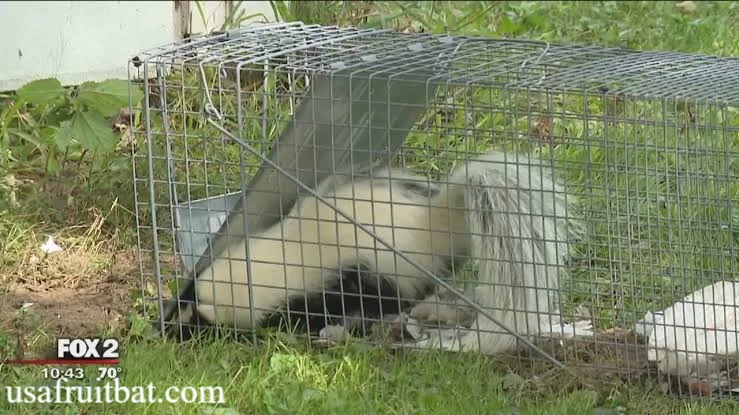
Skunks are opportunistic feeders, meaning they eat different types of food depending on availability and the season. Their natural diet includes insects, beetles, grubs, worms, small animals, fruits, and other accessible food sources. This explains why residential gardens, compost areas, and uncovered garbage containers can attract them. Understanding their feeding habits can help you identify what is making your property appealing.
People researching how to trap a skunk with food often consider strong-smelling food options, including pet food and other animal-based foods. However, bait can also attract neighborhood cats, dogs, raccoons, and other wildlife. Rather than experimenting with food placement around your property, remove accessible food sources and consult a wildlife professional about suitable, lawful management options.
| Food source or attractant | Why skunks may visit |
|---|---|
| Pet food | Provides an easily accessible meal |
| Insects and grubs | Natural food found in lawns and gardens |
| Fallen fruit | Offers an available food source |
| Open garbage | Contains different food scraps |
| Compost | May attract insects and other small animals |
How to Trap a Skunk Without It Spraying
Avoiding skunk spray begins with understanding what causes the animal to feel threatened. Skunks generally prefer escaping rather than confronting people, but they may spray when they believe there is no other way to protect themselves. Sudden movements, loud noises, direct approaches, and blocked escape routes can increase their stress. Giving the animal plenty of space is one of the simplest ways to reduce the risk of an unpleasant encounter.
If you discover a skunk inside a cage, do not approach it to inspect, touch, or move the animal. Keep children and pets away, avoid making unnecessary noise, and contact a qualified wildlife professional. Some specialized traps are designed to reduce visual stimulation, but no cage can guarantee that a skunk will not spray. Never assume that covering or moving a cage makes handling it completely safe.
- Keep a safe distance from the animal.
- Never corner, chase, or frighten a skunk.
- Keep dogs and cats away from the area.
- Avoid touching or shaking a cage containing a skunk.
- Do not attempt to open a trap without professional guidance.
- Contact local animal control or a licensed wildlife specialist.
How to Trap a Skunk Under My Porch or House
Skunks sometimes choose spaces beneath porches, decks, sheds, and houses because these locations provide protection from weather and potential predators. You might notice a strong odor, small digging areas, or an opening beneath a structure. However, these signs do not always confirm that a skunk is present, so observe the area from a safe distance before taking action.
When considering how to trap a skunk under your porch, remember that trapping may not be the best solution. The animal could be using the space as a den, and young skunks may be present. Blocking an entrance without confirming that the entire family has left can trap animals inside. A wildlife professional can assess the situation and recommend humane exclusion methods that prevent future access.
How to Handle a Skunk in Your Yard or Inside Your House
A skunk wandering through your yard does not necessarily need to be trapped. It may simply be searching for food or moving between sheltered areas. If you see one outside, remain calm and give it an unobstructed route to leave. Bring pets indoors, keep children away, and avoid approaching the animal for photographs or a closer look.
A skunk inside a garage, basement, or house requires additional care because enclosed spaces limit its escape options. Do not chase it toward an exit or attempt to catch it using household equipment. Keep people and pets away, close off access to other occupied rooms if this can be done safely, and contact animal control or a wildlife removal specialist for assistance.
What to Do After a Skunk Is Caught in a Live Trap
A trapped skunk may become frightened because it cannot move away from perceived threats. Even an animal that appeared calm before capture can become defensive when someone approaches. Avoid touching the cage, placing your hands near its openings, or trying to carry it somewhere else. Keep the surroundings quiet and make sure children and pets cannot reach the trapped animal.
The next step should be contacting a qualified wildlife professional or local animal control service. Rules about wildlife possession, transportation, relocation, and release vary by location. Some areas prohibit moving wild animals without authorization. A professional can determine the appropriate next steps while considering animal welfare, possible injuries, and whether dependent young could be nearby.
Common Skunk-Trapping Mistakes to Avoid
Many unpleasant encounters happen because people underestimate how quickly a frightened skunk can become defensive. Trying to rush the process, choosing unsuitable equipment, or approaching an animal without understanding its behavior can increase the risks for everyone involved. A responsible approach focuses on prevention, distance, legal compliance, and professional assistance rather than attempting to handle wildlife independently.
- Using damaged, unsuitable, or poorly maintained traps.
- Placing trapping equipment where children or pets can reach it.
- Leaving a confined animal without prompt attention.
- Approaching a skunk to check whether it is asleep or calm.
- Attempting to release or relocate an animal without authorization.
- Blocking entrances before confirming that no animals remain inside.
- Ignoring the possibility of baby skunks in an occupied den.
How to Prevent Skunks From Returning to Your Property
Prevention is often easier and safer than dealing with repeated skunk visits. Start by removing anything that provides an easy meal. Store garbage in containers with secure lids, avoid leaving pet food outside overnight, and clean up fallen fruit regularly. If your garden attracts insects, consider appropriate lawn maintenance practices that reduce unwanted food sources without harming beneficial wildlife.
You should also inspect outdoor structures for potential shelter areas. Once a professional confirms that no skunks or dependent young remain underneath a porch, deck, or shed, suitable exclusion measures can help prevent another animal from entering. Repair damaged openings, secure crawl-space access points, and maintain outdoor areas so they offer fewer attractive hiding places.
Conclusion

Learning how to trap a skunk in a cage safely requires patience, preparation, and a good understanding of wildlife behavior. Choosing appropriate equipment, recognizing warning signs, avoiding sudden movements, and keeping children and pets away are important considerations. However, trapping is not always necessary, especially when a skunk is simply passing through your yard or searching for food.
The safest approach is to prevent unwanted visits, avoid direct contact, and seek professional assistance when a skunk occupies your property or becomes trapped. Always follow local wildlife regulations and prioritize humane treatment. With proper prevention and responsible wildlife management, you can protect your home while reducing the chances of future skunk encounters.
Frequently Asked Questions
How do you trap a skunk without getting sprayed?
Keep your distance, avoid frightening or cornering the animal, and consult a wildlife professional about appropriate capture and removal methods.
What is the best bait for trapping a skunk?
Skunks are attracted to various food sources, including insects, pet food, and fallen fruit, but bait can also attract other wildlife.
How do you trap a skunk in a live cage trap?
Use only legally permitted equipment and seek professional guidance to ensure appropriate placement, monitoring, and safe removal.
What should you do if a skunk gets caught in a cage?
Keep people and pets away, avoid touching the cage, and contact animal control or a qualified wildlife removal specialist.
How can you get a skunk out from under your porch?
Have a wildlife professional inspect the area and recommend humane exclusion methods that account for possible babies or an occupied den.
What time of day are skunks most active?
Skunks are generally nocturnal and tend to search for food during the evening and nighttime.
How do you keep skunks away from your yard?
Secure garbage cans, remove outdoor pet food, clean up fallen fruit, and eliminate potential shelter areas around your property.
Can a trapped skunk spray through a cage?
Yes. A skunk can spray through openings in many cage traps, so never assume that a trapped animal cannot reach you.
Also Read