Finding a dead rodent inside your home or business can quickly become an unpleasant experience. A strong, lingering odor, unexpected flies, and concerns about bacteria can make the affected area uncomfortable. Whether you discover a dead mouse behind furniture, a rat in the attic, or a carcass inside a wall, taking appropriate action is important for maintaining a clean indoor environment.
Searching for dead rodent removal near me can help you find professionals who specialize in locating, removing, and disposing of dead rodents. These services may also include cleaning, disinfecting, and treating affected areas to reduce unpleasant odors. Understanding how professional removal works, what it costs, and how to choose a reliable provider can help you make a confident decision.
What Is Dead Rodent Removal?
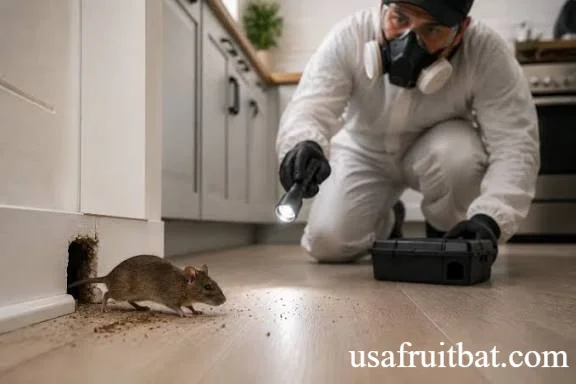
Dead rodent removal is a specialized service that involves locating, safely handling, removing, and disposing of deceased mice, rats, and other rodents. These animals may be found in kitchens, basements, garages, attics, crawl spaces, or inside walls. Professional technicians use appropriate protective equipment and removal methods to minimize direct contact with potentially contaminated materials.
The service often includes more than simply picking up a carcass. Depending on the company’s capabilities, technicians may inspect the surrounding area, remove contaminated materials, clean affected surfaces, and apply suitable disinfectants. Some providers also offer deodorizing treatments to address unpleasant smells. The goal is to restore a cleaner environment while identifying conditions that could attract additional rodents.
sourecs: thumbtack.com
Signs You Need Professional Dead Rodent Removal
One of the most recognizable signs of a dead rodent is a persistent, unpleasant smell. The odor may become stronger over several days, particularly in warm or poorly ventilated areas. If you notice a decaying smell without an obvious source, the animal may be hidden behind walls, beneath flooring, or somewhere inside your attic or crawl space.
Other warning signs can include flies, maggots, and unusual pest activity around a particular location. You might also notice odors coming through air vents or from small openings around walls and ceilings. Consider contacting a professional when the carcass is difficult to reach, the surrounding area appears contaminated, or you cannot identify the source of the smell.
Why Hire Dead Rodent Removal Services Near Me?
Hiring experienced professionals can make an unpleasant situation easier to manage. Technicians understand how to handle animal remains, recognize potentially contaminated materials, and choose appropriate cleaning methods. They also have access to protective equipment and specialized tools that may be necessary when rodents are located in concealed or difficult-to-access spaces.
- Safe handling and removal of dead mice and rats.
- Proper packaging and disposal of animal remains.
- Cleaning and disinfection of affected surfaces.
- Inspection of attics, crawl spaces, and other hidden areas.
- Odor treatment and recommendations for improving ventilation.
- Identification of possible rodent entry points.
Before booking, ask whether the quoted service includes cleanup and deodorizing. Not every pest control company handles dead animal retrieval, so confirming the exact services available can prevent unexpected costs.
How Professional Dead Rodent Removal Works
Professional removal generally begins with an inspection to identify where the animal is located. Technicians examine visible areas and investigate possible odor sources. If the carcass is hidden inside a wall, ceiling, or crawl space, they may use inspection equipment to determine the most practical access point without causing unnecessary property damage.
After locating the animal, technicians use suitable protective equipment and removal tools to collect and contain the remains. The carcass is then disposed of according to applicable local requirements. Depending on the condition of the area, the service may continue with cleaning, disinfection, deodorizing, and a final inspection to identify any remaining contamination or pest activity.
Dead Rodent Removal From Walls, Attics, and Crawl Spaces
Removing a dead rodent from an accessible floor or cabinet is usually simpler than retrieving one hidden inside a wall. Decomposition can produce strong odors that travel through small openings, electrical spaces, and ventilation pathways. Finding the exact location may require professional inspection, especially when the smell appears to come from several different rooms.
Attics and crawl spaces can present additional challenges because they may contain insulation, accumulated debris, and limited working space. Professionals can assess whether the carcass is accessible and determine if a small opening or repair is necessary. After removal, contaminated insulation or other materials may need appropriate cleaning or replacement.
Dead Rodent Removal Cost: What Should You Expect?
The cost of professional removal depends on several factors, including the type of animal, its location, accessibility, and the amount of cleanup required. Removing a visible mouse may be relatively straightforward, while retrieving a decomposing rat from inside a wall can require additional inspection, equipment, labor, and property repairs.
Some companies charge a basic removal fee, while others provide separate estimates for inspection, sanitation, deodorizing, and repairs. Emergency appointments or after-hours visits may also increase the total price. Request a written estimate before scheduling and confirm which services are included.
| Service Type | Factors Affecting Cost |
|---|---|
| Accessible carcass removal | Location and handling requirements |
| Wall or ceiling removal | Inspection and access difficulty |
| Attic removal | Accessibility and contamination |
| Cleaning and disinfection | Size of affected area |
| Odor treatment | Severity and source of the smell |
| Property repairs | Materials and labor required |
These are pricing categories rather than fixed rates. Contact local providers for accurate estimates based on your property and situation.
How to Find Reliable Dead Rodent Removal Near Me

Choosing the right provider is important because not every pest control company offers dead animal retrieval. Start by searching for local wildlife removal specialists, pest control companies, and dedicated dead animal removal businesses. Check their websites to see whether they specifically mention rodent carcass removal, sanitation, and odor treatment.
Customer reviews can help you understand a company’s reliability, communication, and service quality. You can also compare providers through platforms such as Thumbtack, where available, to review local professionals and request estimates. Before making a decision, ask about insurance, experience, disposal procedures, emergency availability, and whether cleanup is included in the quoted price.
Local Dead Rodent Removal Services by Location
Service availability and pricing can differ significantly depending on your location. Larger cities may have several pest control companies and specialized wildlife removal providers, while smaller communities may have fewer options. Searching with your city or ZIP code can help narrow the results to professionals who serve your area.
People searching for services may use location-specific terms such as dead rodent removal Phoenix, dead rodent removal Raleigh NC, dead rodent removal Las Vegas NV, and dead rodent removal Chicago. Similar searches include Sydney, Perth, London, Crewe, Telford, Chester, Wrexham, and Spring Valley, Nevada. Always confirm the provider’s actual service area before booking.
DIY Dead Rodent Removal vs. Professional Services
If a dead mouse or rat is visible and easily accessible, some homeowners may be able to manage basic removal using appropriate precautions. However, direct contact with the carcass, droppings, urine, or contaminated nesting materials should be avoided. Follow local public health guidance, wear appropriate disposable protective equipment, and never sweep or vacuum potentially contaminated rodent waste because this can release particles into the air.
Professional assistance is generally preferable when the animal is decomposing, hidden inside a structure, or located near ventilation equipment. Specialists can assess contamination, select suitable cleaning products, and determine whether insulation or other materials need replacement. They may also identify entry points and recommend prevention measures that address the underlying rodent problem.
Health Risks and Safety Concerns of Dead Rodents
Dead rodents and their surrounding materials can present hygiene concerns. Rodents may carry bacteria, parasites, and other pathogens, while fleas, flies, and mites may also be present around animal remains. Contact with contaminated surfaces or rodent waste can create unnecessary exposure risks, particularly when people handle carcasses without suitable protection.
Avoid touching the animal with bare hands or allowing children and pets near the affected area. Do not disturb dry droppings or nesting materials. Follow appropriate public health recommendations for cleanup and disinfection. If you experience symptoms or are concerned about possible exposure after handling a rodent, contact a healthcare professional for advice.
How to Get Rid of Dead Rodent Odors
The smell of a decomposing rodent can be difficult to tolerate, particularly when the animal is hidden inside a wall or ceiling. Decomposition releases unpleasant compounds that can spread through indoor spaces. Warm temperatures and limited ventilation may make the odor more noticeable, while enclosed areas can retain smells even after the original source has been removed.
The most important step is identifying and removing the source rather than simply covering the odor with air fresheners. After removal, the affected area may require appropriate cleaning and disinfection. Professional deodorizing treatments can help address lingering smells, although heavily contaminated insulation or porous materials may need replacement.
How to Prevent Future Rodent Problems
Preventing rodents from entering your property can reduce the likelihood of another unpleasant discovery. Mice and rats can enter through surprisingly small openings, especially around pipes, doors, foundations, rooflines, and utility connections. Inspect these areas regularly and seal suitable gaps using rodent-resistant materials.
Good housekeeping also makes your property less attractive to rodents. Store food in sealed containers, keep garbage bins covered, clean food spills promptly, and remove unnecessary clutter from storage areas. Consider these additional precautions:
- Trim vegetation and branches close to the building.
- Repair damaged screens, vents, and door seals.
- Keep pet food securely stored.
- Remove standing water and potential nesting materials.
- Inspect basements, garages, and attics regularly.
- Arrange professional pest inspections when rodent activity continues.
Conclusion

Discovering a dead mouse or rat inside your property is unpleasant, but addressing the problem promptly can help prevent additional hygiene concerns and reduce persistent odors. Professional technicians can locate hidden carcasses, remove them safely, dispose of remains appropriately, and recommend suitable cleaning or deodorizing treatments.
When comparing local providers, look beyond the initial price. Check their experience, available services, customer feedback, and cleanup procedures. Whether the animal is in an accessible room, attic, crawl space, or inside a wall, choosing an appropriate removal solution can help restore a cleaner, safer, and more comfortable home.
Frequently Asked Questions
How much does dead rodent removal cost?
The price depends on the animal’s location, accessibility, cleanup requirements, odor treatment, and any necessary property repairs.
How do I find dead rodent removal near me?
Search local pest control and wildlife removal companies, compare customer reviews, and confirm that they offer dead animal retrieval.
Can pest control companies remove dead rodents?
Yes, some pest control companies provide carcass removal, although you should confirm this service before scheduling an appointment.
How long does a dead rodent smell last?
The odor can persist for days or weeks, depending on temperature, ventilation, decomposition, and whether the carcass remains in place.
How do professionals remove dead rodents from walls?
They inspect the area, locate the carcass, determine an appropriate access point, and remove it using suitable protective equipment and tools.
Is it safe to remove a dead mouse or rat yourself?
Basic removal may be possible with appropriate precautions, but avoid direct contact and follow public health guidance for safe handling and disinfection.
Do dead rodent removal services include disinfection?
Some companies include cleaning and disinfection, while others charge separately, so always confirm the service details before booking.
How quickly should a dead rodent be removed?
Arrange removal as soon as reasonably possible to reduce unpleasant odors, insect activity, and potential contamination concerns.
Also Read