
Deer are beautiful wild animals, but like other wildlife, they can suffer from infections, parasites, and serious health conditions. Some illnesses cause visible physical changes, while others affect the brain, nervous system, or internal organs. Understanding common deer diseases helps hunters, wildlife enthusiasts, landowners, and animal lovers recognize potential health problems and respond responsibly.
White-tailed deer are particularly important to wildlife management across the United States. They can experience chronic wasting disease, epizootic hemorrhagic disease, bacterial infections, and parasitic infestations. Some conditions can spread through direct contact, contaminated environments, or insect bites. Although not every illness threatens humans or pets, knowing the warning signs can help protect both wildlife and public health.
This guide explores the major illnesses affecting deer, their symptoms, possible causes, treatment options, and prevention methods. It also explains zombie deer disease, regional concerns in Michigan, Pennsylvania, and Ohio, and the precautions people should take when encountering sick or dead deer.
What Are the Most Common Deer Diseases?
Common deer diseases include viral infections, bacterial conditions, neurological disorders, and parasitic infestations. Their severity depends on the organism responsible, the animal’s overall health, and environmental conditions. Some infections resolve with time or supportive care, while others cause permanent damage or death. Wildlife professionals monitor these conditions to understand their effects on individual animals and entire deer populations.
Disease transmission can occur through several routes. Infected animals may spread pathogens through bodily fluids, close contact, or contaminated environments. Certain illnesses, such as epizootic hemorrhagic disease, spread through biting insects rather than direct contact. Poor nutrition, overcrowding, environmental stress, and changing weather conditions can also influence disease outbreaks and the ability of deer to withstand infections.
sourecs: michigan.gov
Chronic Wasting Disease (CWD)
Chronic wasting disease is one of the most concerning neurological conditions affecting deer, elk, moose, and other members of the deer family. It is caused by abnormal proteins called prions that damage the brain and nervous system. The disease progresses over time and is always fatal. There is currently no approved vaccine, effective treatment, or known cure for infected animals.
Early symptoms may be difficult to recognize because infected deer can appear healthy for months or even years. As the condition progresses, affected animals may lose weight, drool excessively, stumble, appear confused, or show reduced awareness of their surroundings. Some may become unusually active during daylight or lose their natural fear of people.
CWD spreads through direct contact with infected animals and exposure to contaminated environments, including soil and certain bodily materials. Hunters should follow local testing recommendations before consuming venison from areas where the disease has been detected. Wildlife agencies also use surveillance programs to monitor its spread and establish management guidelines.
Epizootic Hemorrhagic Disease (EHD)
Epizootic hemorrhagic disease is a viral infection that affects the blood vessels of deer, particularly white-tailed deer. It is transmitted by tiny biting midges, often called no-see-ums. Outbreaks frequently occur during warmer months when these insects are active. The disease can cause significant mortality in local deer populations, especially during severe seasonal outbreaks.
Common symptoms include fever, weakness, swelling around the head and neck, excessive salivation, and difficulty breathing. Some infected deer develop mouth lesions or stop eating because of discomfort. Animals may also seek water because of elevated body temperature. In severe cases, the infection causes internal bleeding, shock, and death.
There is no specific cure for EHD in wild deer. Veterinary professionals may provide supportive treatment in managed settings, but wildlife management focuses mainly on monitoring outbreaks and reporting unusual deaths. Reducing insect breeding opportunities around managed facilities may help limit exposure, although controlling biting midges in natural habitats is difficult.
Bluetongue Disease
Bluetongue is another viral disease transmitted by biting midges. It affects domestic and wild ruminants, including deer, and can produce symptoms similar to epizootic hemorrhagic disease. Because these conditions may look alike, laboratory testing is important when wildlife professionals investigate suspected outbreaks.
Affected deer may experience fever, swelling around the mouth and face, excessive drooling, mouth sores, and breathing difficulties. Some animals develop inflammation that makes eating or walking uncomfortable. The severity varies depending on the virus strain and the animal’s condition. Veterinary care generally focuses on supportive treatment rather than a guaranteed cure.
Deer Parasites and Worm Infections
Parasites are another important cause of illness in wild deer. Internal parasites can live in the digestive system, lungs, liver, or other organs, while external parasites affect the skin and coat. Light infestations may cause few noticeable problems, but heavy parasite burdens can weaken an animal and reduce its ability to survive environmental stress.
- Stomach and intestinal worms that interfere with digestion and nutrient absorption.
- Lungworms that may contribute to coughing and respiratory problems.
- Ticks that attach to the skin and can carry disease-causing organisms.
- Lice and mites that cause irritation, hair loss, and skin damage.
- Nasal bots, whose larvae develop in the nasal passages and can cause irritation.
Symptoms depend on the parasite involved. Infected deer may show weight loss, poor coat condition, weakness, diarrhea, coughing, or frequent scratching. Wildlife professionals use examinations and laboratory testing to identify infestations. In managed deer populations, appropriate veterinary parasite control and good habitat management can reduce health problems.
Common White-Tailed Deer Diseases and Their Symptoms
White-tailed deer can develop several illnesses depending on their habitat, age, and exposure to infectious organisms. Common white-tailed deer diseases include chronic wasting disease, hemorrhagic disease, bacterial infections, and parasite-related conditions. These illnesses can affect their movement, feeding habits, physical appearance, and ability to survive in the wild.
Recognizing unusual behavior is often the first step toward identifying a possible health problem. A healthy deer generally moves normally, maintains a reasonable body condition, and responds naturally to its surroundings. An animal that struggles to walk, appears extremely thin, develops unusual swelling, or shows excessive drooling may need to be reported to local wildlife authorities.
| Disease | Common symptoms | Main transmission route |
|---|---|---|
| Chronic wasting disease | Weight loss, drooling, stumbling | Contact and contaminated environments |
| Hemorrhagic disease | Fever, swelling, weakness | Biting midges |
| Bluetongue | Mouth sores, fever, swelling | Biting midges |
| Parasitic infections | Poor coat, weight loss, irritation | Parasite exposure |
| Bacterial infections | Abscesses, weakness, respiratory problems | Varies by infection |
Zombie Deer Disease: Understanding Chronic Wasting Disease
Zombie deer disease is the popular name for chronic wasting disease. The nickname comes from the unusual physical and behavioral changes that may appear in infected animals during advanced stages. These include severe weight loss, poor coordination, drooling, and reduced awareness. However, the term is informal and should not be confused with an actual transformation or zombie-like condition.
CWD is especially concerning because infected animals can spread abnormal prions before obvious symptoms appear. These proteins can remain in the environment for extended periods, making disease management challenging. Scientists continue studying how prions spread and persist in different habitats. Hunters and wildlife observers should follow official testing recommendations and avoid consuming meat from animals that test positive.
Deer Diseases Transmitted to Humans
Some illnesses associated with deer can create health concerns for people, particularly when they handle infected animals, consume contaminated meat, or encounter disease-carrying ticks. However, not every deer infection can spread to humans. Chronic wasting disease has not been confirmed to infect people, although public health authorities recommend avoiding meat from animals that test positive or appear sick.
Other infections require more attention. Brucellosis and bovine tuberculosis can pose risks under certain exposure conditions, although the likelihood depends on the animal population and location. Tick-borne diseases are another concern because ticks found in deer habitats can carry pathogens that infect humans. Therefore, safe handling and food preparation are important whenever you spend time around wildlife.
How to Reduce the Risk of Infection
- Wear disposable gloves when field dressing or handling carcasses.
- Avoid touching blood, organs, or other bodily materials with bare hands.
- Never consume meat from a deer that appears sick or tests positive for CWD.
- Cook venison thoroughly and follow safe food-handling practices.
- Use insect repellent and check your body for ticks after outdoor activities.
- Follow local wildlife agency recommendations for carcass transportation and disposal.
These precautions can reduce exposure to several potential health hazards. If you experience symptoms after handling wildlife or eating potentially contaminated meat, consult a healthcare professional and explain the exposure.
Deer Diseases Transmitted to Dogs
Dogs may encounter health risks when exploring areas inhabited by wild deer. However, most deer infections do not automatically spread to dogs. The more common concerns involve ticks, contaminated carcasses, parasites, and bacteria. Dogs that chew on dead wildlife or eat raw deer meat may also face foodborne illness risks.
Tick-borne infections deserve particular attention because dogs can pick up infected ticks while walking through grass, wooded areas, and deer habitats. Pet owners should use veterinarian-approved tick prevention, check their dogs after outdoor activities, and prevent them from eating dead deer or discarded animal remains. Contact a veterinarian if your dog develops fever, weakness, appetite changes, or unusual behavior after wildlife exposure.
Deer Diseases in Michigan, Pennsylvania, and Ohio
Several US states monitor deer populations for infectious diseases, particularly chronic wasting disease and hemorrhagic disease. Regional monitoring helps wildlife agencies identify outbreaks, understand changes in deer health, and provide guidance to hunters. Because disease distribution changes over time, checking current state wildlife department announcements is more reliable than depending on outdated reports.
Deer Diseases in Michigan
Michigan monitors several wildlife health concerns, including chronic wasting disease and epizootic hemorrhagic disease. The Michigan Department of Natural Resources provides information about testing, surveillance, and disease management. Hunters should check current county-specific guidance before transporting harvested deer or submitting samples for testing.
Deer Diseases in Pennsylvania
Pennsylvania has established chronic wasting disease surveillance and management programs to monitor white-tailed deer populations. Whitetail deer diseases in PA are an important concern for hunters and landowners, particularly in areas where CWD has been detected. Residents should review current Pennsylvania Game Commission regulations for disease management areas, carcass transportation, and testing requirements.
Ohio Deer Diseases
Ohio wildlife authorities also monitor deer health, including chronic wasting disease and other conditions that may affect local herds. Hunters should stay informed about testing opportunities, reporting procedures, and any current restrictions. Reporting unusual deer deaths helps wildlife professionals identify possible outbreaks and make informed management decisions.
Deer Diseases Pictures: Recognizing Visible Symptoms
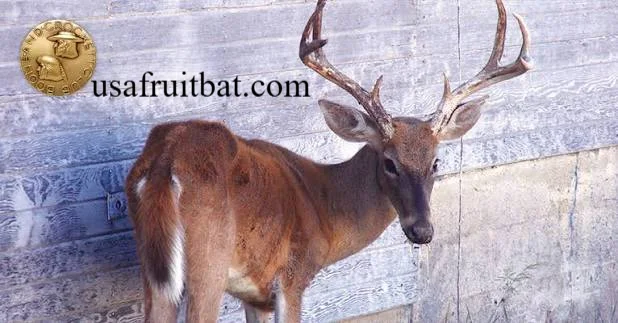
Pictures of sick deer can help readers understand the physical changes associated with different illnesses. For example, photographs may show severe weight loss, swollen facial areas, skin irritation, unusual posture, or visible injuries. These images are useful educational references, particularly for hunters and wildlife observers who want to recognize possible warning signs.
However, pictures cannot provide a confirmed diagnosis. Several infections produce similar symptoms, and some serious conditions show no obvious external signs during their early stages. If you notice a deer behaving unusually or displaying concerning physical changes, observe it from a safe distance and contact the appropriate wildlife authority rather than attempting to capture or handle it.
How Are Deer Diseases Diagnosed?
Wildlife professionals use physical observations, medical examinations, and laboratory testing to identify suspected infections. They may examine an animal’s behavior, body condition, visible injuries, and other symptoms. Blood samples, tissue examinations, and specialized laboratory procedures can help distinguish between diseases that produce similar physical changes.
Chronic wasting disease requires specific testing of tissues, commonly collected from the lymph nodes or brainstem after death. Other conditions may require different diagnostic procedures depending on the suspected pathogen. Accurate testing is important because treating an animal based only on visible symptoms can lead to incorrect conclusions and ineffective management decisions.
Treatment and Prevention of Common Deer Diseases
Treatment depends on the type of infection and whether the animal lives in captivity or the wild. Some bacterial infections and parasite problems may respond to appropriate veterinary treatment. Supportive care can also help certain animals recover from manageable conditions. However, treating free-ranging deer is difficult, and not every illness has an effective medical solution.
Prevention is often more practical than treatment when managing wild populations. Wildlife agencies recommend responsible feeding practices, disease surveillance, appropriate carcass disposal, and following local hunting regulations. People who manage captive deer should maintain suitable living conditions, limit unnecessary animal contact, and consult qualified veterinarians about health monitoring.
When Should You Report a Sick or Dead Deer?
A single dead deer does not always indicate an outbreak, but unusual deaths or multiple sick animals in one location deserve attention. Watch for warning signs such as extreme weight loss, stumbling, excessive drooling, unusual aggression, difficulty breathing, or animals that appear unaware of nearby people. These behaviors may indicate serious illness or injury.
If you encounter a suspicious animal, avoid touching it or moving its carcass. Record its general location and appearance if you can do so safely, then contact your state wildlife agency. Prompt reporting helps professionals investigate possible outbreaks, arrange testing, and provide appropriate recommendations to protect other animals and people.
Conclusion

Understanding common deer diseases is essential for protecting wildlife and recognizing potential health risks. Conditions such as chronic wasting disease, epizootic hemorrhagic disease, bluetongue, and parasitic infections can affect deer in different ways. Some cause visible symptoms, while others develop silently and require specialized testing for confirmation.
Whether you are a hunter, wildlife enthusiast, or pet owner, responsible behavior makes a difference. Avoid handling suspicious carcasses, follow safe venison preparation practices, protect dogs from ticks and wildlife remains, and stay informed about regional disease reports. Working with wildlife authorities and veterinarians helps support healthier deer populations and safer outdoor environments.
Frequently Asked Questions (FAQs)
What are the most common diseases found in deer?
Common illnesses include chronic wasting disease, epizootic hemorrhagic disease, bluetongue, bacterial infections, and parasitic infestations.
What is zombie deer disease, and how does it affect deer?
Zombie deer disease is another name for chronic wasting disease, a fatal neurological condition that damages the brain and affects movement and behavior.
Can deer diseases spread to humans?
Some infections associated with deer can affect humans, while others cannot. Tick-borne illnesses and certain bacterial infections are important potential health concerns.
What deer diseases can dogs catch?
Dogs may be exposed to tick-borne infections, parasites, and bacteria through wildlife contact, contaminated carcasses, or raw venison.
What are the early signs of chronic wasting disease in deer?
Early signs may include subtle behavioral changes, followed by weight loss, excessive drooling, stumbling, and poor coordination.
Which deer diseases are common in Michigan, Pennsylvania, and Ohio?
Chronic wasting disease and epizootic hemorrhagic disease are important wildlife health concerns monitored in these states.
Can deer diseases be treated or cured?
Some bacterial and parasitic conditions can be treated, but chronic wasting disease has no known cure or effective treatment.
How can you tell if a wild deer is sick?
Look for unusual behavior, severe weight loss, swelling, excessive drooling, difficulty walking, or visible injuries, and report concerning observations to wildlife authorities.
Also Read