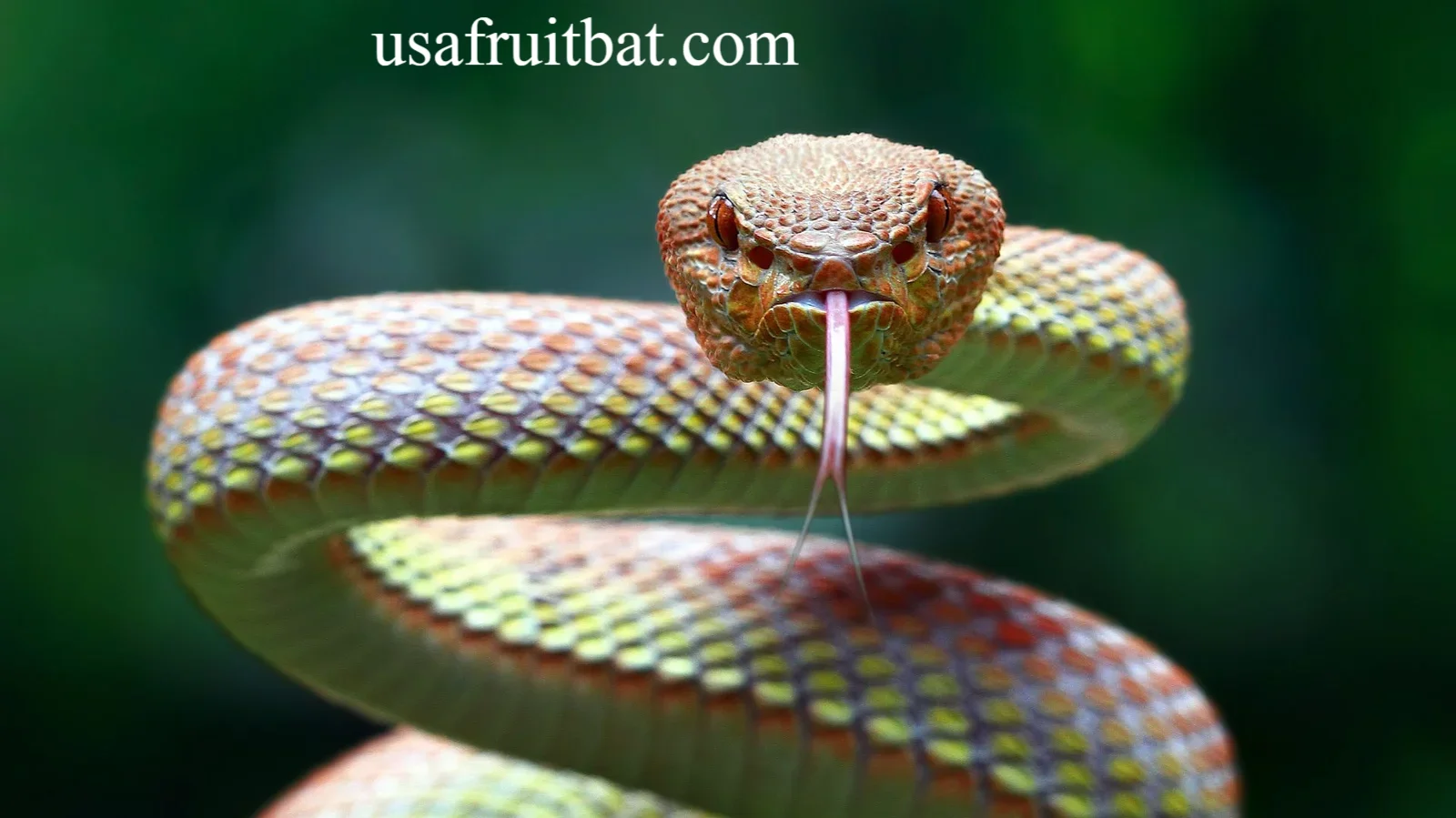
A highly venomous snake can be fascinating to study, but encountering one in the wild can create a serious health risk. Some snake species possess extremely powerful venom that can affect the nervous system, blood, muscles, and body tissues. From Australia’s inland taipan to Africa’s black mamba and Asia’s king cobra, these reptiles have developed remarkable adaptations for hunting and survival.
Understanding venomous snakes is important for anyone who enjoys outdoor activities, travels through wildlife habitats, or lives in regions where dangerous species are common. Learning about their appearance, behavior, habitats, and potential risks can help people avoid dangerous encounters. This guide explores some of the world’s most venomous snakes, explains how their venom works, and provides practical safety advice for preventing and responding to snakebites.
What Makes a Snake Highly Venomous?
Snake venom is a specialized biological substance that helps certain snakes capture prey and defend themselves. It contains different proteins, enzymes, and toxins that can interfere with important body functions. Depending on the species, venom may affect the nervous system, damage tissues, disrupt blood clotting, or cause muscle breakdown.
Scientists evaluate venom potency through laboratory testing, including measurements such as LD50, which estimates the dose required to kill half of a test population under specific conditions. However, venom potency does not automatically determine how dangerous a snake is to humans. Bite frequency, venom quantity, defensive behavior, habitat, and access to medical treatment also influence the actual risk.
sourecs: animalfactcentral.com
Which Is the Most Highly Venomous Snake in the World?
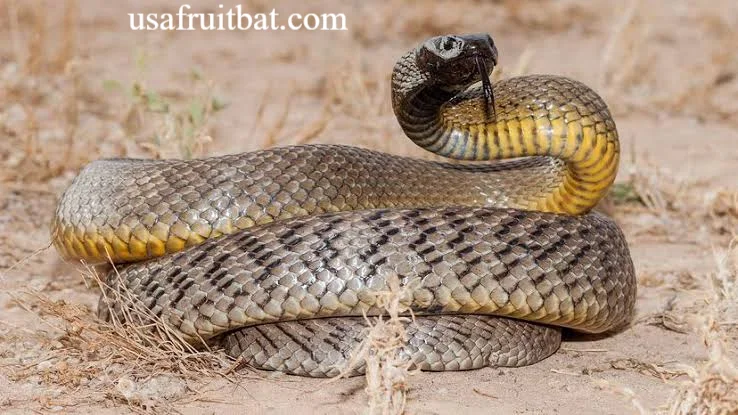
The inland taipan, scientifically known as Oxyuranus microlepidotus, is widely recognized for having the most potent venom among snakes in laboratory toxicity comparisons. It lives in remote, dry regions of central and eastern Australia, particularly areas with black-soil plains and seasonal flooding. Its natural environment provides shelter and access to small mammals.
Despite its extraordinary venom potency, this species is generally secretive and rarely encounters humans. Its venom contains powerful toxins that can affect blood clotting, muscles, and the nervous system. A bite can become life-threatening without prompt treatment, but its remote habitat and relatively shy behavior mean human encounters are uncommon.
World’s Most Dangerous and Highly Venomous Snake Species
Several snake species around the world possess medically significant venom. Their physical characteristics, hunting methods, defensive behavior, and habitats vary considerably. Some live in forests, while others inhabit grasslands, deserts, wetlands, and agricultural areas.
The following table highlights several notable species and their general characteristics.
| Snake species | Main location | Major venom effects |
|---|---|---|
| Inland taipan | Australia | Blood clotting disruption and muscle damage |
| Coastal taipan | Australia | Neurotoxic and blood-related effects |
| Black mamba | Sub-Saharan Africa | Primarily neurotoxic |
| King cobra | South and Southeast Asia | Neurotoxic |
| Common krait | South Asia | Neurotoxic |
| Russell’s viper | South Asia | Blood clotting disruption and organ damage |
Inland Taipan of Australia
The inland taipan is famous for its exceptionally potent venom. Its body is usually brown or olive-colored, and its appearance can change with the seasons. This adaptation helps regulate body temperature in Australia’s challenging inland environment. It mainly feeds on small mammals, particularly rodents.
Although it has an extremely dangerous bite, the inland taipan generally avoids human contact. It prefers remote habitats where encounters are uncommon. Anyone exploring its natural range should avoid approaching unfamiliar snakes and leave wildlife observation to experienced professionals.
Coastal Taipan
The coastal taipan is another medically significant Australian species. It occurs across northern and eastern parts of Australia, often in warm environments that provide suitable shelter and prey. It is generally larger and more frequently encountered near human-modified landscapes than the inland taipan.
Its venom can affect the nervous system, muscles, and blood clotting. The coastal taipan can move quickly when threatened, making it especially important to maintain a safe distance. People living or working in areas where this species occurs should remain alert around vegetation, sheds, and outdoor storage spaces.
Black Mamba of Africa
The black mamba is one of Africa’s most recognizable venomous snakes. Despite its name, its body is usually olive, brown, or gray rather than black. The name comes from the dark coloration inside its mouth. It inhabits several parts of sub-Saharan Africa, including savannas, woodlands, and rocky landscapes.
Its venom contains powerful neurotoxins that interfere with nerve communication and can cause paralysis and breathing difficulties. The black mamba is fast and may defend itself when cornered or threatened. It generally prefers to escape rather than confront humans, so giving it space is essential.
King Cobra of Asia
The king cobra is the world’s longest venomous snake and is found across parts of South and Southeast Asia. It is known for its distinctive hood, impressive size, and ability to raise the front portion of its body when threatened. Forests, bamboo thickets, and other natural environments provide suitable habitats.
Its venom primarily affects the nervous system and can cause serious breathing problems. Unlike many other snakes, king cobras mainly feed on other snakes. Although they are potentially dangerous, they usually avoid unnecessary contact with humans.
Common Krait and Russell’s Viper
The common krait is an important venomous species in South Asia. It is often recognized by its dark body and pale crossbands. It is primarily nocturnal and may enter homes while searching for shelter or prey. Its neurotoxic venom can cause muscle paralysis and respiratory failure.
Russell’s viper is another medically important snake found in India and neighboring regions. It has a thick body with distinctive oval markings. Its venom can interfere with blood clotting and cause severe internal complications, including kidney damage. Both species require careful avoidance and immediate medical attention after a suspected bite.
Highly Venomous Snakes Found in Sub-Saharan Africa
Sub-Saharan Africa is home to several dangerous snake species that occupy different ecological environments. The black mamba, puff adder, and various cobra species are among the most medically significant. Their habitats include grasslands, forests, agricultural areas, and rocky landscapes.
The puff adder is particularly important because its camouflage makes it difficult to notice among dry leaves and vegetation. Unlike snakes that quickly escape when disturbed, it may remain motionless, increasing the possibility of accidental encounters.
People living or traveling in these regions should follow basic precautions:
- Wear protective footwear when walking through vegetation.
- Avoid stepping over logs without checking the other side.
- Use a flashlight when walking outdoors after dark.
- Keep gardens and outdoor areas free from unnecessary clutter.
- Never attempt to handle or kill an unfamiliar snake.
Highly Venomous Snakes Found in India and South Asia

India and neighboring South Asian countries have several medically important snake species. The traditional Big Four of India include the Indian cobra, common krait, Russell’s viper, and saw-scaled viper. These snakes are responsible for a significant proportion of serious snakebite incidents in the region.
Their venom affects the human body in different ways. Cobras and kraits primarily cause neurotoxic effects, while Russell’s vipers and saw-scaled vipers can cause severe blood-clotting problems and other complications. Awareness is particularly important in agricultural communities, where people may encounter snakes while working outdoors.
How to Identify a Highly Venomous Snake
Identifying venomous snakes can be challenging because different species have different physical characteristics. Some have distinctive patterns, while others closely resemble harmless snakes. Color alone is not a reliable way to determine whether a snake is dangerous, and similar-looking species can have very different levels of venom toxicity.
If you encounter an unfamiliar snake, observe it from a safe distance rather than attempting to identify it by getting closer. Important precautions include:
- Never touch, capture, or provoke an unfamiliar snake.
- Avoid placing your hands inside holes or dark spaces.
- Do not rely on head shape or pupil appearance to determine venom.
- Take a photograph only if it can be done safely from a distance.
- Contact trained wildlife professionals when identification is necessary.
What Happens If a Venomous Snake Bites You?
A venomous snakebite can cause different symptoms depending on the species, amount of venom injected, and location of the bite. Some venoms interfere with nerve signals, while others damage tissues or affect the body’s ability to control bleeding. Symptoms may appear quickly or develop over several hours.
- Pain and swelling around the bite.
- Nausea, vomiting, and dizziness.
- Unusual bleeding or bruising.
- Muscle weakness or difficulty moving.
- Blurred vision or difficulty swallowing.
- Breathing difficulties or paralysis.
A suspected venomous bite should always be treated as a medical emergency, even when symptoms are initially mild. Prompt professional assessment is essential because some serious effects may develop after the initial encounter.
First Aid and Emergency Treatment for Snakebites
The correct response to a suspected snakebite can make a major difference. The first priority is to move away from the snake without attempting to capture it. Keep the affected person calm and still, and arrange emergency medical assistance immediately.
Recommended steps include:
- Keep the person as still as possible.
- Immobilize the bitten limb using a suitable splint.
- Remove rings, watches, or tight clothing near the affected area before swelling develops.
- Seek emergency medical care without delay.
- Follow local medical guidance, including pressure immobilization where specifically recommended for the suspected species.
Avoid cutting the wound, sucking out venom, applying ice, or using traditional remedies. Do not apply a tight tourniquet. Antivenom may be required depending on the snake species and clinical symptoms, but it must be administered by qualified medical professionals in an appropriate healthcare setting.
How to Stay Safe Around Venomous Snakes
Preventing encounters is one of the most effective ways to reduce snakebite risks. Snakes often enter residential areas while searching for food, shelter, or suitable temperatures. Keeping outdoor spaces clean and reducing places where rodents gather can make homes less attractive to them.
For additional protection, follow these practical habits:
- Keep grass trimmed and remove piles of wood or debris.
- Store shoes and outdoor equipment carefully.
- Check dark spaces before reaching inside.
- Wear long trousers and protective boots in snake habitats.
- Keep children and pets away from unfamiliar wildlife.
- Use a flashlight when walking through outdoor areas at night.
Remember that snakes play an important ecological role by controlling rodents and maintaining natural food chains. Respecting their habitats while avoiding direct contact helps protect both people and wildlife.
Interesting Facts About Venomous Snakes
Snakes have developed venom over millions of years as an effective hunting adaptation. Their venom helps immobilize prey, begin digestion, and sometimes discourage potential predators. Different species have evolved specialized venom compositions that suit their diets and environments.
Here are some interesting facts:
- The inland taipan has exceptionally potent venom in laboratory comparisons.
- The king cobra is the longest venomous snake in the world.
- The black mamba is known for its speed and powerful neurotoxic venom.
- Some snakes can deliver a defensive bite without injecting venom.
- Venom research contributes to the development of important medicines.
- Snakes help control rodent populations and support ecosystem balance.
These facts demonstrate why snakes are important subjects of scientific research and wildlife conservation.
Conclusion
A highly venomous snake deserves respect because its venom can cause serious medical complications. Species such as the inland taipan, black mamba, king cobra, common krait, and Russell’s viper demonstrate the remarkable diversity of venomous snakes around the world. However, venom potency alone does not determine how dangerous a species is in everyday encounters.
Understanding snake behavior, recognizing potential risks, and maintaining a safe distance are essential precautions. If a snakebite occurs, immediate professional medical treatment is critical. With better awareness and responsible wildlife practices, people can protect themselves while allowing these important reptiles to survive in their natural environments.
Frequently Asked Questions
Which is the most venomous snake in the world?
The inland taipan of Australia is widely recognized as having the most potent venom in laboratory toxicity comparisons.
Where does the inland taipan live?
The inland taipan lives in remote, dry regions of central and eastern Australia.
Which is the most venomous snake in India?
India has several medically important species, including the common krait, Indian cobra, Russell’s viper, and saw-scaled viper.
Which venomous snake is found in sub-Saharan Africa?
The black mamba, puff adder, and several cobra species are among the medically significant snakes found in sub-Saharan Africa.
What happens when a venomous snake bites a human?
Depending on the species, a bite can cause paralysis, bleeding, tissue damage, breathing difficulties, or serious organ complications.
How can you identify a venomous snake?
Snake identification depends on species-specific characteristics, and appearance alone is unreliable. Maintain a safe distance and seek professional identification.
What should you do after a venomous snakebite?
Keep the person still, immobilize the affected limb, and seek emergency medical treatment immediately.
Are venomous snakes naturally aggressive toward humans?
Most snakes prefer to avoid humans and generally bite when threatened, disturbed, or accidentally encountered.
Also Read