
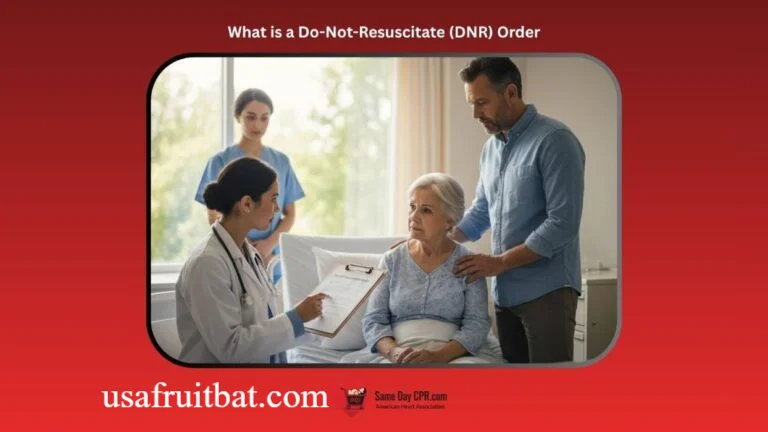
Understanding medical decisions can feel overwhelming, especially when they involve emergency care and life-sustaining treatment. A Do Not Resuscitate (DNR) order is an important medical document that communicates a person’s wishes about cardiopulmonary resuscitation (CPR) if their heart stops beating or they stop breathing. Knowing what this document means can help patients, families, and healthcare professionals make informed decisions.
A DNR Form order does not mean refusing all medical treatment or giving up on healthcare. Instead, it addresses a specific medical intervention: resuscitation. Patients should understand its purpose, discuss their preferences with qualified healthcare professionals, and follow the legal requirements in their location. This guide explains the meaning, uses, requirements, and process of completing the document.
What Is a DNR Form?
A DNR form is a medical document that communicates a patient’s decision not to receive cardiopulmonary resuscitation if their heart or breathing stops. DNR stands for Do Not Resuscitate, and the order guides healthcare professionals during specific life-threatening emergencies. It is generally created after a discussion between the patient and a qualified healthcare provider about medical circumstances and personal treatment preferences.
The document is particularly relevant for people with serious illnesses, advanced medical conditions, or specific end-of-life care preferences. However, a person does not necessarily need to be terminally ill to discuss resuscitation choices with a doctor. The purpose is to respect individual medical decisions and ensure healthcare teams understand what interventions a patient does or does not want during cardiac or respiratory arrest.
sourecs: medlineplus.gov
What Does DNR Mean in Medical Terms?
DNR is the medical abbreviation for Do Not Resuscitate. It refers to a medical order instructing healthcare professionals not to perform CPR if a patient’s heart stops beating or breathing stops. CPR may involve chest compressions, rescue breathing, electrical shocks using a defibrillator, and other emergency interventions intended to restore circulation and breathing.
You may also encounter related terms such as DNAR, meaning Do Not Attempt Resuscitation, and AND, meaning Allow Natural Death. These terms communicate similar preferences, although terminology and documentation can differ between healthcare systems. Understanding these expressions helps patients recognize medical instructions and discuss their choices more confidently with doctors, nurses, and other healthcare professionals.
What Is the Purpose of a DNR Form?
The primary purpose of a DNR form is to ensure that a patient’s preferences regarding resuscitation are respected during a medical emergency. When someone experiences cardiac or respiratory arrest, healthcare professionals usually consider immediate resuscitation. A valid DNR order provides clear instructions that CPR should not be initiated, helping prevent unwanted interventions that conflict with the patient’s documented wishes.
Another important purpose is supporting patient autonomy. Individuals have the right to participate in decisions about their healthcare and discuss which medical interventions align with their personal values. Some people may wish to avoid aggressive resuscitation because of their medical condition, expected outcomes, or quality-of-life considerations. Open conversations with family members and healthcare providers can help everyone understand the decision.
What Does a DNR Form Include?
The information included in a DNR document depends on the state, healthcare system, and type of order being used. Most official documents identify the patient, communicate the resuscitation decision, and include the required medical authorization. Some forms also contain instructions for emergency responders, making it easier to recognize the patient’s wishes outside a hospital.
Common information may include:
- Patient’s full legal name and identifying information.
- Relevant medical information, where required.
- The patient’s resuscitation preferences.
- Physician or authorized healthcare professional’s details.
- Required patient or representative signatures.
- Date of completion and any required witness information.
- Emergency identification instructions, if applicable.
Patients should carefully review every section before signing. Missing information, incorrect documentation, or absent medical authorization may affect whether an order is recognized. It is important to obtain the appropriate document from an official healthcare source rather than assuming that every downloadable template meets local legal requirements.
How to Complete a DNR Form Step by Step
Completing a medical resuscitation order involves more than filling in personal information. Patients should first understand what the document means and discuss their preferences with a qualified healthcare professional. The doctor can explain the possible benefits, limitations, and medical consequences of CPR, helping the individual make a decision based on accurate information.
The general process may involve the following steps:
- Discuss your medical condition and resuscitation preferences with your doctor.
- Obtain the appropriate official document for your location.
- Read the instructions and understand what the order covers.
- Enter the required patient information accurately.
- Discuss the decision with family members or an authorized representative.
- Obtain the required medical authorization and signatures.
- Keep the completed document accessible to healthcare providers.
- Inform relevant caregivers and family members about its location.
Requirements can differ depending on local laws and healthcare policies. Some jurisdictions require a physician’s signature, while others have specific procedures for out-of-hospital orders and emergency identification devices. Always confirm the correct process with your healthcare provider before relying on a completed document during an emergency.
Who Can Sign or Request a DNR Form?
A patient who has the legal capacity to make healthcare decisions can generally discuss and request a DNR order. The decision should be voluntary and based on an understanding of what resuscitation involves. Healthcare professionals can explain the available options and document the patient’s preferences according to applicable medical and legal requirements.
If a patient cannot communicate or make decisions, an authorized healthcare representative may sometimes participate in decisions on their behalf. The representative’s authority depends on local laws, advance directives, and the patient’s previously expressed wishes. Physicians and other authorized professionals must follow the applicable procedures when documenting the order, including any required assessments, signatures, and approvals.
Where Can You Get DNR Papers or a DNR Form?
Patients can obtain official paperwork through hospitals, physicians, healthcare facilities, and government health departments. The correct source depends on where the patient lives and whether the document is intended for hospital use, emergency medical services, or another healthcare setting. Asking a doctor is often the most reliable starting point because medical professionals can identify the appropriate paperwork.
Several types of resources may help you locate the correct document:
- State or regional health department websites.
- Hospitals and medical centers.
- Primary care physicians and specialists.
- Authorized healthcare organizations.
- Official emergency medical services resources.
Some websites provide printable PDF and Word templates, but a downloadable document is not automatically valid everywhere. For example, the Florida Department of Health provides information about its Do Not Resuscitate Order, while the Ohio Department of Health provides its own DNR Comfort Care Order resources. These examples demonstrate why patients should use jurisdiction-specific documentation rather than relying on a generic template.
What Happens After a DNR Form Is Signed?
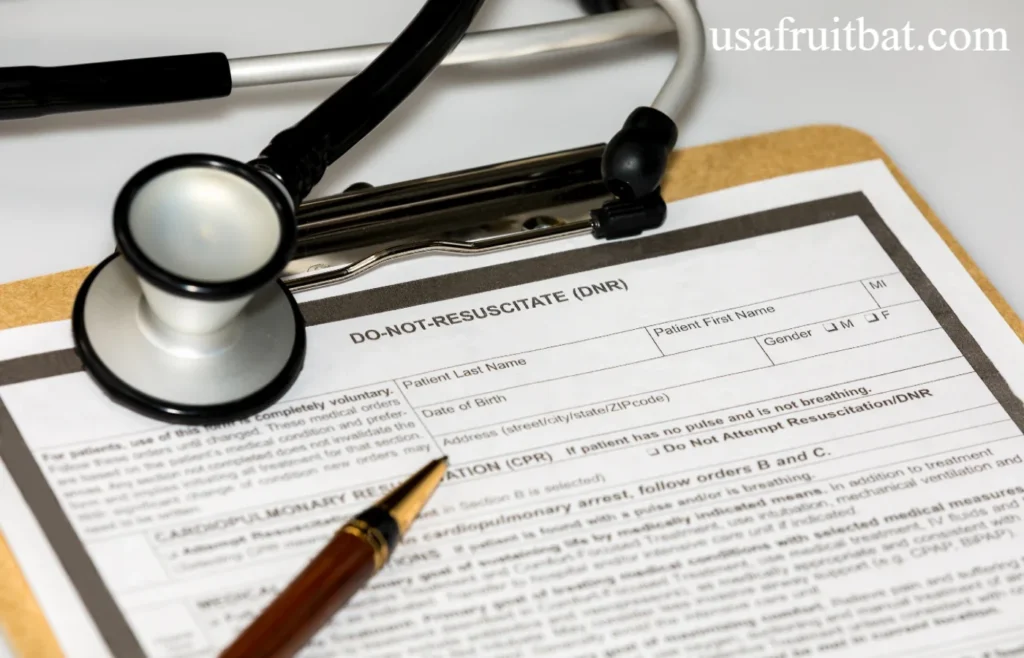
After the required documentation is completed and authorized, healthcare professionals generally record the order in the patient’s medical records. The care team may also communicate the decision to relevant staff members to ensure that the instructions are understood during treatment. Depending on local requirements, patients may receive a specific identification device or document for use outside a hospital.
Keeping the paperwork accessible is especially important when someone receives care at home, moves between healthcare facilities, or requires emergency assistance. Patients should tell family members, caregivers, and relevant medical professionals where the document is stored. If the patient changes their preferences, they should contact their healthcare provider promptly to discuss updating or canceling the existing order.
What Treatments Are Still Allowed With a DNR Order?
A DNR order generally applies to CPR during cardiac or respiratory arrest. It does not automatically prevent other medical treatments, routine healthcare, or comfort-focused care. Patients can continue receiving appropriate medical attention based on their condition, treatment goals, and other healthcare instructions. Understanding this distinction is important because some people mistakenly believe that choosing not to receive CPR means refusing every form of medical assistance.
Depending on the patient’s medical needs and treatment plan, care may still include:
- Oxygen therapy and breathing support when appropriate.
- Pain relief and symptom management.
- Antibiotics for infections.
- Routine examinations and medical consultations.
- Medication and other prescribed treatments.
- Comfort-focused and palliative care.
A DNR order is also different from a living will or advance directive. These documents may address broader healthcare decisions, including preferences about life-sustaining treatments. Patients should discuss how different medical documents work together so their healthcare team has a clear understanding of their wishes.
Can You Change or Cancel a DNR Form?
A person’s healthcare preferences can change over time, and a previous decision does not necessarily have to remain permanent. Patients who reconsider their choice should speak with their healthcare provider about updating or revoking the existing order. The appropriate process may involve new documentation, changes to medical records, and notification of everyone responsible for providing care.
It is equally important to remove outdated instructions from situations where they could cause confusion. For example, if someone has a previous out-of-hospital order and later changes their decision, they should ask their healthcare provider how to update the relevant records and identification materials. Local procedures determine how changes become officially recognized, so patients should never assume that a verbal conversation alone has updated every existing document.
Understanding State-Specific DNR Forms and Requirements
Medical resuscitation documentation is not identical throughout the United States. Each state may establish its own requirements concerning authorized signatures, official paperwork, emergency identification, and recognition of orders outside hospitals. Consequently, patients should confirm which document applies to their location before completing or relying on it.
It is also important to distinguish medical DNR terminology from government agencies that use the same abbreviation. For example, searches such as Minnesota DNR, Michigan DNR, Indiana DNR, and Iowa DNR frequently refer to state Departments of Natural Resources. Similarly, Michigan DNR reservations and general DNR reservations usually concern outdoor recreation rather than medical paperwork.
For accurate medical information, use official state health department websites and ask a qualified healthcare professional about the applicable requirements. Florida and Ohio, for example, publish state-specific DNR resources through their respective health departments. Using the correct official documentation helps reduce confusion and supports proper communication between patients, caregivers, and emergency responders.
Common Mistakes to Avoid When Completing a DNR Form
Completing medical paperwork carefully is essential because incorrect or outdated information can create confusion during an emergency. Patients and family members should take time to understand the document rather than treating it as an ordinary administrative form. Healthcare professionals can explain unclear instructions and confirm whether the paperwork meets the applicable requirements.
Some common mistakes to avoid include:
- Using an outdated or incorrect document.
- Signing without understanding what the order means.
- Missing required medical authorization or signatures.
- Assuming the order prevents all medical treatment.
- Keeping the document somewhere emergency responders cannot access it.
- Failing to inform family members and caregivers.
- Forgetting to update the order after changing healthcare preferences.
Reviewing the paperwork with a qualified healthcare professional can help prevent these problems. Patients should also keep relevant documents organized and make sure their care team knows about any changes. Clear communication is one of the most effective ways to ensure medical instructions accurately reflect an individual’s current wishes.
Conclusion

Understanding a DNR order is an important part of making informed healthcare decisions. It communicates whether a person wants CPR if their heart stops beating or breathing stops, helping healthcare professionals respect the patient’s resuscitation preferences during an emergency. However, it does not automatically mean refusing other medical treatments, pain management, or appropriate healthcare services.
Before completing any paperwork, patients should discuss their medical circumstances and personal preferences with a qualified healthcare professional. They should also obtain the correct official document for their jurisdiction, understand the required signatures, and keep the completed paperwork accessible. Taking these steps helps patients, families, and healthcare teams communicate clearly and make decisions that respect individual healthcare wishes.
Frequently Asked Questions
What is a DNR form?
It is a medical document or order communicating that a patient does not want CPR if their heart or breathing stops.
What does DNR stand for in medical terms?
DNR stands for Do Not Resuscitate, a medical instruction concerning cardiopulmonary resuscitation.
How do I obtain a DNR form?
You can ask your doctor, hospital, or local health department for the official document required in your jurisdiction.
Can you get a DNR without a doctor?
Requirements vary, but many jurisdictions require an authorized healthcare professional to assess, approve, or sign the medical order.
Does a DNR mean no medical treatment?
No. It generally addresses CPR during cardiac or respiratory arrest and does not automatically prevent other medical treatments.
Who can sign a DNR order?
A patient with decision-making capacity can generally request one, while an authorized representative may participate when legally permitted.
Can a DNR order be changed or canceled?
Yes. Patients can generally reconsider their decision and should contact their healthcare provider to follow the appropriate revocation or updating procedure.
Is a DNR form valid in every state?
No. Requirements and documentation differ between states, so patients should obtain and use the appropriate official form for their location.
Also Read