Snakes are quiet, clean, and fascinating to watch, but they are also a long commitment with exacting environmental needs. A healthy corn snake can outlive a family dog, and a ball python can live into its late twenties or beyond. This guide covers which species suit beginners, what the setup and ongoing care involve, and what to check before you bring one home. snakesatsunset.com
Are Snakes Good Pets, and Are They Low Maintenance?
Short answer: Snakes are good pets for people who want an observational animal, not a cuddly one. They are low maintenance in daily time but not in precision.
Snakes don’t need walks, daily feeding, or constant company. A healthy adult might eat once every one to two weeks. But the habitat must hold the right temperature and humidity around the clock, and mistakes show up as health problems, not whining.
A realistic picture:
- Time: Roughly 10 to 15 minutes a day for checking temperatures and water, plus a longer weekly clean and a monthly deep clean.
- Skills: You need to be comfortable storing and handling frozen rodents.
- Social needs: Snakes don’t crave attention. Handling is optional enrichment, not a requirement.
- Allergies: Snakes have no fur or dander, so they are often a good fit for allergy-prone households, though bedding dust and the rodents you store can still bother sensitive people.
- Apartments: A snake is one of the easiest exotic pets to keep in an apartment, provided your lease allows reptiles and you have room for a properly sized enclosure.
What Is the Best Pet Snake for a First-Time Owner?
Short answer: For most beginners, the corn snake is the safest choice, followed by the ball python, California kingsnake, and rosy boa.
All four are widely bred in captivity, docile, non-venomous, and manageable in size. Buying captive-bred animals matters here: wild-caught snakes more often carry parasites, refuse food, and stress badly.
| Species | Adult size | Typical lifespan | Temperament | Best for |
|---|---|---|---|---|
| Corn snake | 3.5–5 ft | 15–20+ years | Calm, tolerant, active | Absolute beginners |
| Ball python | 3–5 ft | 20–30 years | Shy, gentle, may fast | Owners who want a heavier-bodied, laid-back snake |
| California kingsnake | 3–5 ft | 15–20+ years | Hardy, feisty as juveniles | Keepers who like an active feeder |
| Rosy boa | 2–3 ft | 20+ years | Slow, docile | Small spaces, dry-habitat fans |
Lifespans are typical ranges for well-kept captive animals, not guarantees.
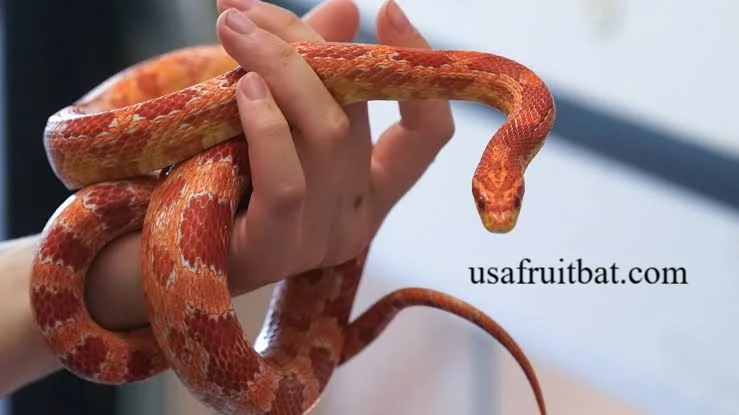
Corn Snakes
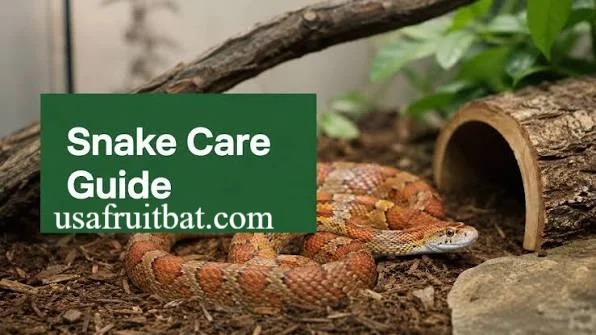
Corn snakes are the standard recommendation for good reason: they tolerate small handling mistakes, accept frozen-thawed prey readily, and come in hundreds of colors. They need moderate humidity and a good hide, and they are skilled escape artists, so lock the lid. wilbanksreptiles.com
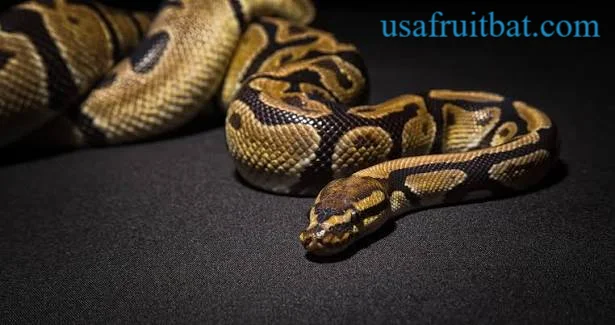
Ball Pythons
Ball pythons are calm and easy to handle, and they are arguably the most popular pet snake in the US. Their drawbacks are humidity sensitivity and a reputation for going off food, sometimes for weeks, especially in winter or during breeding season. A new owner who panics at a fasting snake may find them harder than a corn snake.
California Kingsnakes
Kingsnakes are hardy and typically voracious eaters. Juveniles can be nippy until they settle in. Most species of kingsnake eat other snakes in the wild, so they should always live alone.
Rosy Boas
Rosy boas stay small and prefer a drier habitat, which makes humidity management simpler. They can be picky eaters and slower to warm up to handling.
What About Boa Constrictors?
Boa constrictors are popular but grow to 6–10 feet depending on type and are heavy and strong. They suit experienced keepers with room for a large custom enclosure, not first-timers.
How Do You Choose a Healthy Snake?
Short answer: Buy a captive-bred snake from a reputable breeder, watch it closely, and look for clear eyes, a clean vent, and a firm, active body.
Before paying, check these points:
- Body condition: Rounded and muscular, not bony, with no visible spine ridge or sunken look.
- Eyes and nose: Clear, with no discharge, bubbles, or crusting.
- Mouth: Closed and clean. Cheesy yellow material or open-mouth breathing are warning signs.
- Skin: No stuck shed, scabs, or mites (tiny dark dots that move, especially around the eyes and chin).
- Vent: Clean and dry.
- Behavior: Tongue flicking and alert movement when handled.
- Feeding record: Ask to see the snake eat if possible, and ask what prey it takes and how often.
Where to buy captive-bred snakes: Reputable breeders, reptile expos, and online marketplaces such as MorphMarket (which lets you filter by breeder reviews) are the usual routes. Good sellers share hatch dates, feeding history, and lineage, and they offer a live-arrival guarantee if shipping.
How Do You Set Up a Snake Enclosure?
Short answer: Provide a secure, appropriately sized enclosure with a warm side and a cool side, a reliable thermostat, hides at both ends, a water bowl, and suitable substrate.
Plan your setup before the snake arrives. A reasonable baseline:
- Enclosure: A 40-gallon breeder tank can house a young corn snake for a while, but adults generally need larger housing (4×2 feet is a common recommendation). Front-opening PVC enclosures hold heat and humidity better than glass tanks. Whatever you choose, it must lock securely.
- Heating equipment: Use an under-tank heater or a radiant heat panel controlled by a thermostat. Heat rocks are not recommended because they can overheat and burn snakes. Never run a heater without a thermostat.
- Hides: At least two, one on the warm side and one on the cool side.
- Substrate: Aspen shavings for dry-climate species, cypress mulch or coconut-based substrates for humidity-loving ones. Avoid cedar and pine, which release oils that can irritate reptiles.
- Water and décor: A heavy bowl large enough for soaking, plus a few branches or fake plants for climbing and cover.
- Measuring: Digital probe thermometers and a hygrometer. Stick-on dial gauges are notoriously inaccurate.
What Temperature and Humidity Do Pet Snakes Need?
Short answer: Most beginner species need a warm-side surface temperature in the high 80s °F and a cooler side in the 70s. Humidity needs vary: about 40–50% for corn snakes, and 50–60% (higher during shedding) for ball pythons.
| Species | Warm side | Cool side | Humidity |
|---|---|---|---|
| Corn snake | 85–90°F | 70–75°F | 40–50% |
| Ball python | 88–92°F | 78–80°F | 50–60%, up to 65–70% during shed |
| California kingsnake | 85–90°F | 72–78°F | 40–50% |
| Rosy boa | 85–90°F | 72–78°F | Low, around 30–40% |
These are common care-sheet ranges. Confirm them with your breeder and reptile vet, because recommendations vary slightly.
Most snakes don’t need UVB lighting, though some keepers provide low-level UVB for enrichment and a natural day-night cycle. Room lighting or a simple timer for a 12-hour light cycle is usually enough.
Shedding tip: Snakes shed their skin every few weeks to months, depending on age and growth. Their eyes turn cloudy blue beforehand. Raise humidity slightly, avoid handling, and never peel stuck skin off aggressively. Persistent retained shed, especially around the eyes or tail tip, deserves a vet visit.
What Do Pet Snakes Eat and How Often?
Short answer: Pet snakes eat whole prey, typically frozen-thawed mice or rats. Young snakes eat every 5–7 days, and most adults eat every 1–2 weeks.
Choose prey roughly the same width as the thickest part of the snake’s body. Frozen-thawed rodents are safer than live ones, which can bite and seriously injure a snake. Thaw prey in the refrigerator, warm it in sealed warm water, and offer it with tongs.
Why is my pet snake not eating? The most common causes are:
- Temperatures or humidity that are off
- Stress from a recent move or too much handling
- Pre-shed behavior
- Seasonal fasting, especially common in ball pythons
- Oversized prey or insecure hiding spots
- Illness or parasites
Check your setup first and wait a bit. A snake that skips several meals but keeps its weight and behaves normally is usually fine. Contact a reptile veterinarian if it is losing weight, wheezing, or lethargic.
How Do You Handle a Pet Snake Safely?
Short answer: Let the snake settle for about a week, handle it calmly with two hands supporting its body, and always wash your hands afterward.
- Wait at least five to seven days after bringing it home, and until it has eaten at least once.
- Avoid handling for a day or two after meals to reduce regurgitation risk.
- Approach from the side, not from above, and support the body evenly.
- Keep sessions short (10–15 minutes) at first.
- Wash your hands before and after.
Salmonella is a real concern. The CDC notes that reptiles commonly carry Salmonella bacteria even when healthy, and it advises that children under 5, older adults, and people with weakened immune systems avoid contact with reptiles. Keep snake supplies out of kitchens and never clean enclosures in food-prep sinks.
Do pet snakes recognize their owners? Not in the emotional sense a dog does. Snakes can learn routines and respond to scent, so a snake may stay calmer with a familiar handler, but they don’t form affectionate bonds.
Can Snakes Live With Other Pets?
Snakes should live alone in their enclosure. Cohabitation raises the risk of stress, competition for food, and injury, and kingsnakes may eat their tank mates. Around other household pets, the main risk is predation: a large snake can threaten a cat or small dog, and a curious cat or dog can stress a snake. Keep the enclosure locked, in a room pets cannot enter if necessary, and never leave your snake loose around other animals.
Do Pet Snakes Need a Veterinarian?
Yes. Reptiles hide illness well. Find a veterinarian experienced with snakes before you need one. The Association of Reptile and Amphibian Veterinarians (ARAV) maintains a directory for finding qualified vets.
Common snake health problems include:
- Respiratory infections (wheezing, bubbles at the nose or mouth), often tied to cold or damp conditions
- Mites, usually from new animals or contaminated supplies
- Scale rot, from persistently dirty or wet substrate
- Retained shed, from low humidity
- Mouth rot (stomatitis) and regurgitation after meals
Quarantine new snakes in a separate room for at least 60 to 90 days, with separate tools, before they come near other reptiles, to protect your collection from hidden parasites and infections.
How Much Does a Pet Snake Cost?
Cost is often underestimated. Typical US ranges, which vary by region, morph, and brand, are:
| Expense | Approximate cost |
|---|---|
| Corn snake (common morphs) | $40–$150 |
| Ball python (common morphs) | $60–$250 (rarer morphs can cost thousands) |
| Enclosure, heating, thermostat, hides, décor | $200–$600+ |
| Food and substrate (yearly) | $150–$400 |
| Routine reptile vet exam | $50–$150 per visit |
A responsible budget also keeps an emergency fund, because exotic vet visits can run into hundreds of dollars.
Are Snakes Safe for Families With Children?
Non-venomous beginner species are generally calm, but young children should not handle them unsupervised, and the CDC advises keeping reptiles away from children under five because of Salmonella risk. A locked enclosure is essential in homes with young children.
Are Pet Snakes Legal?
It depends on where you live. There is no single US rule. Some states, counties, and cities restrict or ban certain species, and many rental agreements prohibit reptiles. Florida, for example, regulates a number of large constrictors, and federal law (the Lacey Act) prohibits importing and interstate transport of certain listed constrictor species. Corn snakes, ball pythons, and kingsnakes are widely legal, but always check your state wildlife agency and local ordinances. Also avoid taking native snakes from the wild: it is often illegal and harms wild populations.
Final Thoughts
If you want a snake you can keep happy for 15 to 30 years, start with a captive-bred corn snake or ball python, build the enclosure before you buy, and find a reptile vet early. The animals themselves are simple. The discipline is in getting heat, humidity, and hygiene right every single day.
Frequently Asked Questions
Where can I find pet snakes for sale?
Reputable captive-bred snakes are sold by private breeders, reptile expos, specialty reptile shops, and online marketplaces such as MorphMarket. Ask for hatch dates, feeding history, and a live-arrival guarantee, and avoid sellers who can’t say whether the animal is captive-bred.
What are the best pet snakes for beginners?
Corn snakes are the most beginner-friendly, followed by ball pythons, California kingsnakes, and rosy boas. They stay manageable in size, are non-venomous, and are widely bred in captivity.
Are ball pythons good pets for beginners?
Yes, with one caveat. They are calm and easy to handle, but they need steady humidity and are known for fasting, which can worry new owners. Beginners willing to learn their needs usually do well.
Where can I find pet snakes near me?
Search for local reptile shops, regional reptile expos, and breeders in your state, or filter by location on marketplaces like MorphMarket. Meeting a breeder in person lets you check the snake’s condition and see its enclosure.
How much do pet snakes cost?
A common corn snake or ball python often costs roughly $40–$250, but the enclosure, heating gear, and supplies typically add $200–$600 or more. Yearly food and substrate often cost $150–$400, and rare morphs can cost far more.
What are the best pet snakes overall?
For most people, the best are corn snakes, ball pythons, California kingsnakes, and rosy boas. Experienced keepers may prefer boa constrictors or larger pythons, which demand more space and handling skill.
Are there black pet snakes?
Yes. Common choices include black kingsnakes, black pastel or other dark-morph ball pythons, and melanistic corn snake morphs. Most are non-venomous captive-bred animals, but never collect wild black snakes, since they are often protected and hard to identify.
What types of pet snakes are there?
Popular types include corn snakes, ball pythons, kingsnakes, rosy boas, milk snakes, garter snakes, and boa constrictors. They range from small and easy to large and demanding, so choose by adult size, temperament, and care needs.
Author Bio: Hamid Ali is a wildlife and pet care writer covering reptile species, responsible pet ownership, animal behavior, and habitat care. He creates research-based guides to help readers choose suitable pets and understand their long-term care needs.
Author Name: Hamid Ali
Email: johanharwen314@gmail.com
Also Read: