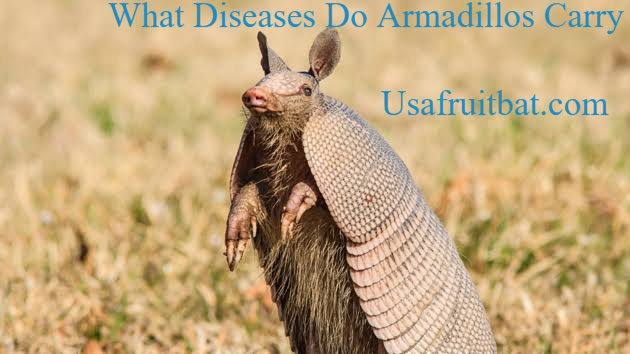
Armadillos can carry the bacterium that causes Hansen’s disease (leprosy), and like many wild animals they can also harbor or spread germs such as Salmonella and Leptospira, and they can pick up fungi and parasites from soil. The overall risk to people is low. Most problems come from handling, eating, or disturbing the animals, or from contact with contaminated soil.
Armadillos have a reputation as disease carriers, and part of it is earned. The nine-banded armadillo (Dasypus novemcinctus) is one of the few animals besides humans known to naturally carry Mycobacterium leprae. But the facts are less alarming than the headlines suggest. This guide separates documented risks from myths and explains what to do about them.
Which diseases are actually linked to armadillos?
Short answer: Hansen’s disease is the best documented. Others are possible through general wildlife exposure, and some are far less established.
| Condition | Cause | Link to armadillos | Typical route |
|---|---|---|---|
| Hansen’s disease (leprosy) | Mycobacterium leprae (bacterial infection) | Well documented | Prolonged contact, handling, or eating undercooked meat |
| Salmonellosis | Salmonella bacteria | Possible, as with many wild animals | Feces-contaminated hands, surfaces, or food |
| Leptospirosis | Leptospira bacteria | Possible through wildlife urine contamination | Water or soil contaminated with urine |
| Histoplasmosis | Histoplasma capsulatum (fungal infection) | Indirect, from soil, not the animal itself | Breathing spores from disturbed soil |
| Rabies | Rabies virus | Rare in armadillos | Bite or saliva from an infected animal |
| Parasites, including tapeworms | Various | Possible in wild animals | Contaminated soil or feces |
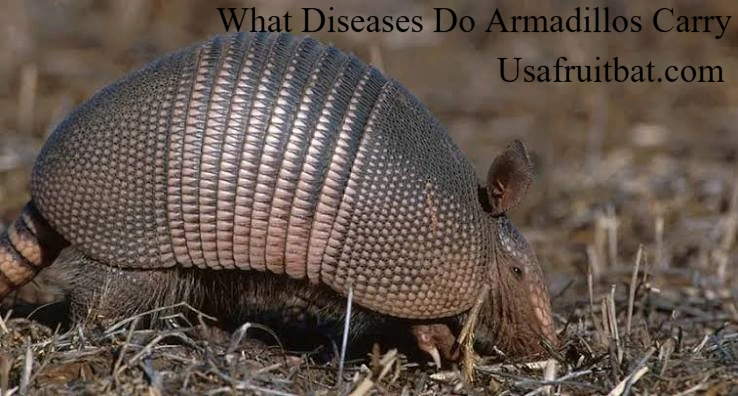
Can armadillos give you leprosy?
Short answer: Yes, it is possible, but it is uncommon. Hansen’s disease is treatable, and most people who are exposed never develop it.
Hansen’s disease is a chronic bacterial infection caused by Mycobacterium leprae. It mainly affects the skin, peripheral nerves, and upper respiratory tract. Wild armadillos in the southern United States, including parts of Louisiana, Texas, and Florida, have been found to carry the bacterium. The CDC notes that some US cases have been linked to contact with armadillos, though not every case has an identifiable source.
Key points:
- Most of the world’s population has natural immunity to the bacterium.
- The disease develops slowly. Symptoms can take years to appear.
- Early signs include skin lesions that are pale or reddish, numbness in patches of skin, and muscle weakness.
- Treatment with a multidrug antibiotic regimen is effective, and early treatment prevents nerve damage.
Why do armadillos carry leprosy? Armadillos have a low core body temperature, roughly 32 to 35°C, and M. leprae grows best in cooler tissue. That likely makes them unusually hospitable hosts. Scientists also suspect the bacterium has circulated among wild armadillo populations in the US for a long time. The exact origin is still studied.
What other armadillo diseases should you know about?
Short answer: Salmonella, leptospirosis, histoplasmosis, rabies, and parasites are possible concerns, but none is a well-documented, common risk from armadillos.
Salmonella. This bacterial infection spreads through animal feces and contaminated surfaces. Symptoms include diarrhea, fever, vomiting, and stomach cramps, usually starting within a few days. Washing hands after any contact with wildlife or their droppings is the main protection.
Leptospirosis. Caused by Leptospira bacteria, it spreads through urine contamination of water or soil. Mild cases resemble the flu, with fever, headache, and muscle tenderness. Severe cases can involve kidney failure, liver failure, meningitis, and respiratory problems, so it should not be ignored.
Histoplasmosis. The fungus Histoplasma capsulatum lives in soil enriched by bird or bat droppings. Armadillos dig in soil and may be associated with it, but the animal is not the source. Risk rises when digging or cleaning debris stirs up spores, causing cough, fever, and fatigue.
Rabies. Armadillos are rarely reported with rabies. Other wildlife, such as bats, raccoons, skunks, and foxes, are far more common carriers.
Tapeworms and other parasites. Wild animals can host intestinal parasites, which spread through contaminated soil or feces. Good hygiene and cleaning up droppings safely reduce exposure.
How do armadillo diseases spread?
Short answer: Mainly through contact with the animal’s body fluids, feces, or contaminated soil, or by handling or eating the animal.
Common routes include:
- Handling live or dead armadillos without gloves
- Preparing or eating undercooked armadillo meat
- Touching feces or urine, then your mouth or face
- Breathing dust from disturbed soil in areas with heavy animal activity
- Bites or scratches that break the skin
Casual sight of an armadillo in your yard is not a meaningful risk.
Are armadillos dangerous to humans?
Short answer: Not usually. They are shy, non-aggressive animals, and the risk of disease from them is low if you avoid handling them.
Do armadillos bite? They can, but it is rare. An armadillo’s instinct is to flee, dig, or curl into a defensive posture. Bites usually happen only if a person tries to pick one up or corner it. Their claws can also scratch. Clean any wound with soap and water and seek medical advice, especially if the skin was broken.
How can you reduce your risk?
Short answer: Avoid contact, wash your hands, and protect yourself when working in soil or removing an animal.
- Never handle armadillos with bare hands. Do not eat armadillo meat.
- Wear gloves and wash hands thoroughly after gardening or yard cleanup.
- Keep pets away from armadillos and their burrows.
- Fill burrows and remove food attractants, such as grubs, pet food, and standing water.
- For a dead or persistent animal, contact a licensed wildlife professional or local animal control rather than removing it yourself.
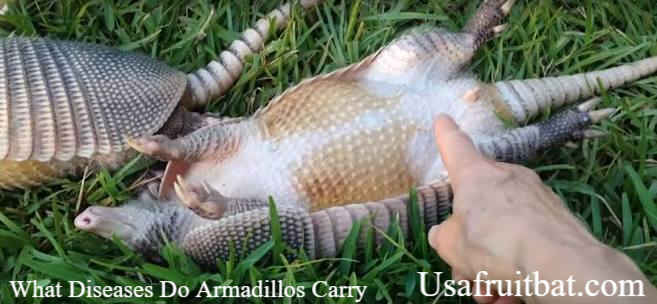
What should you do after touching an armadillo?
Wash the area with soap and water, and watch for symptoms.
- Wash your hands and any skin contact area for at least 20 seconds.
- Clean any bite or scratch thoroughly and cover it.
- Launder clothes that touched the animal.
- Monitor your health over the following weeks.
Because Hansen’s disease develops slowly, one brief contact is very unlikely to cause it.
When should you see a doctor?
Short answer: See a doctor for a bite, a wound that won’t heal, or symptoms after known contact.
Seek care if you notice:
- Fever, vomiting, or diarrhea lasting more than a couple of days
- Severe headache, stiff neck, or confusion
- New skin patches that are numb or don’t heal
- Jaundice, very dark urine, or breathing difficulty
- Any bite or deep scratch from a wild animal
Mention the armadillo contact to your provider. For Hansen’s disease questions, the National Hansen’s Disease Program (part of HRSA) is a US resource, and your provider can contact your local health department about rabies or other concerns.
Summary
Armadillos can carry Mycobacterium leprae, and they may be associated with other germs found in wildlife and soil. Even so, human risk is low. The safest approach is simple: don’t handle them, don’t eat them, keep pets away, and practice basic hygiene.
FAQ Section
What diseases do armadillos carry to humans?
The best-documented one is Hansen’s disease (leprosy). Armadillos may also be linked to salmonella, leptospirosis, and parasites through feces, urine, or contaminated soil. Overall risk is low with no direct handling.
Do armadillos carry syphilis?
No. Armadillos are not known carriers of syphilis. This is a common mix-up, likely because leprosy and syphilis are both historically stigmatized diseases. The bacteria that cause them are different.
Do armadillos carry rabies?
Rarely. Armadillos are seldom reported with rabies. Bats, raccoons, skunks, and foxes are much more common carriers. Any bite from a wild animal still deserves medical advice.
Why do armadillos carry leprosy?
Their low body temperature appears to suit Mycobacterium leprae, which prefers cooler tissue. Scientists also think the bacterium has circulated among wild armadillo populations for a long time.
Do armadillos carry tuberculosis?
Armadillos are not known to carry human tuberculosis. Their well-known link is with Mycobacterium leprae, a related but different bacterium. Tuberculosis is caused by Mycobacterium tuberculosis.
Do armadillos carry diseases for dogs?
They may pass on parasites, and dogs that dig up or kill armadillos risk bites and exposure to bacteria such as Leptospira. Keep dogs away from burrows, keep vaccinations current, and ask your veterinarian about leptospirosis prevention.
Do 3-banded armadillos carry leprosy?
Leprosy in armadillos is documented in the nine-banded armadillo. Three-banded armadillos live in South America and are far less studied for this bacterium, so no strong conclusion can be drawn. Nine-banded armadillos are the species found in the US.
Do armadillos bite?
They can, but it’s uncommon. Armadillos usually flee or curl up rather than attack. Bites typically happen if the animal is handled or cornered.
Author Bio: Hamid Ali is a wildlife writer covering animal behavior, diseases, habitats, and human-wildlife interactions. He creates clear, research-based guides that help readers understand wildlife risks and safely coexist with animals.
Author Name: Hamid Ali
Email: johanharwen314@gmail.com
Also Read: