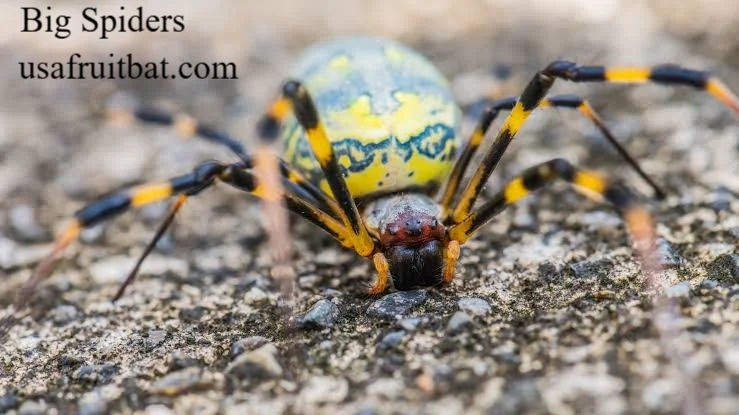
Big Spiders are one of the few creatures where size alone is enough to spark genuine fascination — and a fair amount of unease. Some species stretch across a dinner plate, others weigh more than a small bird, and a few have earned reputations that outpace the actual danger they pose. This guide looks at the biggest spiders on the planet, how they’re measured, where they live, and what separates a genuinely record-breaking spider from an internet-viral exaggeration.
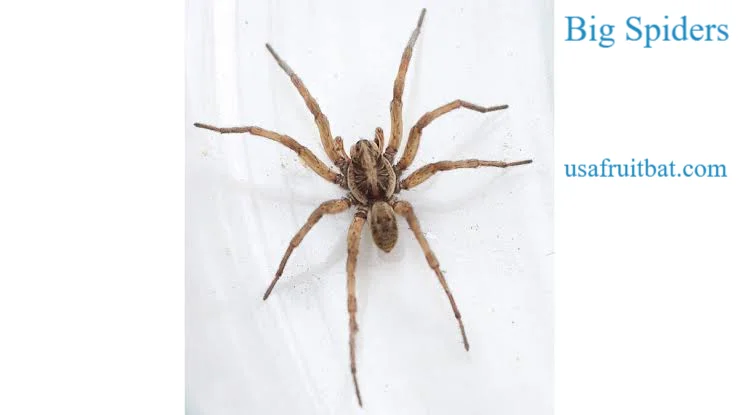
How Do Scientists Measure “Big” in Spiders?
Short answer: Spider size is measured two different ways — leg span and body mass — and the “biggest spider in the world” title depends on which measurement you’re using.
- Largest by leg span: The giant huntsman spider, with a leg span that can reach around 12 inches (30 cm).
- Largest by body weight: The Goliath bird-eating spider, which can weigh over 6 ounces (170 grams) — heavier than some small mammals.
This distinction matters because a spider with long, thin legs can look enormous while weighing far less than a stockier, more muscular tarantula. Both measurements are valid; they just describe different kinds of “giant.”
The World’s Biggest Spiders, Ranked
Giant Huntsman Spider — Largest by Leg Span
The giant huntsman spider (Heteropoda maxima) holds the record for the largest leg span of any known spider, reaching roughly 12 inches from tip to tip. It was first documented in a cave in Laos in 2001. Despite its size, it’s not considered dangerous to humans — it’s a fast-moving nocturnal hunter that relies on speed rather than venom potency to catch prey like insects and small invertebrates.
Goliath Bird-Eating Spider — Largest by Weight
Found across the Amazon rainforest in Venezuela, Guyana, Suriname, French Guiana, and Brazil, the Goliath birdeater (Theraphosa blondi) is the heaviest spider on Earth. Its leg span can approach 11 inches, and despite the name, its diet consists mainly of insects, amphibians, and occasionally small reptiles or rodents rather than birds — the name traces back to an 18th-century account of one eating a hummingbird.
Brazilian Salmon Pink Bird Eater
Native to Brazil, Lasiodora parahybana is one of the largest tarantulas kept in captivity, with a leg span that can reach around 11 inches. It’s known for a docile temperament relative to its size, which has made it popular in the exotic pet trade, though it retains urticating hairs it can flick as a defense mechanism.
Brazilian Giant Tawny Red Tarantula
Grammostola anthracina, found across parts of Brazil, Argentina, Paraguay, and Uruguay, is a heavy-bodied tarantula prized for its calm demeanor and dense, dark coloring. It’s a slow-growing species, often taking years to reach full adult size.
Face-Size Tarantula (Poecilotheria rajaei)
Discovered in Sri Lanka and formally described in 2013, this species earned its nickname from field researchers who noted its size was comparable to a human face when its legs were fully extended. It belongs to the Poecilotheria genus of arboreal tarantulas, known for striking coloration and a preference for tree bark and building crevices over burrows.
Hercules Baboon Spider
One of the largest African tarantulas on record, Hysterocrates hercules is native to Cameroon. It’s rarely seen or documented in the wild, and some arachnologists consider confirmed modern sightings scarce enough that its exact conservation status remains unclear.
Colombian Giant Redleg Tarantula
Megaphobema robustum, native to Colombia, is recognized for its striking orange-red leg coloring and substantial bulk. Like many New World tarantulas, it’s a burrowing species that relies on camouflage and defensive hairs rather than aggressive venom.
Indian Ornamental Tree Spider
Species in the Poecilotheria genus found across India are known for arboreal habits, vivid patterning, and notably fast movement. They’re considered more medically significant than most tarantulas because their bite, while rarely dangerous, can cause more discomfort than typical New World species.
Brazilian Wandering Spider
Unlike most Big spiders on this list, the Brazilian wandering spider (genus Phoneutria) isn’t a giant by size — it’s included because it’s frequently cited as the world’s most venomous spider by some toxicological measures. Found across Brazil and other parts of South America, it’s an active hunter rather than a web-builder, and it’s medically significant enough that antivenom programs exist in affected regions.
Cerbalus Aravaensis
Discovered in the Arava desert region spanning Israel and Jordan and described in 2009, Cerbalus aravaensis is a giant huntsman-type spider adapted to arid, sandy environments — a striking contrast to the rainforest habitats of most other giant species on this list.
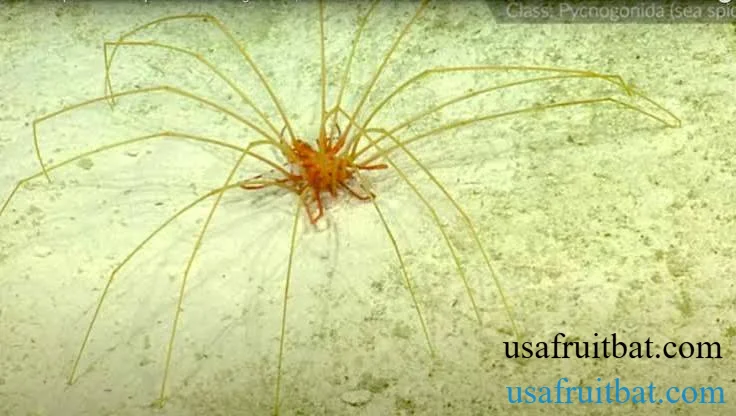
Big Spider Size Comparison
| Spider | Known For | General Region |
|---|---|---|
| Giant huntsman spider | Largest leg span (~12 in) | Laos |
| Goliath birdeater | Heaviest spider | Amazon rainforest, South America |
| Brazilian salmon pink bird eater | Large, docile tarantula | Brazil |
| Brazilian giant tawny red tarantula | Heavy-bodied, calm temperament | Brazil, Argentina, Paraguay |
| Face-size tarantula | Striking size and coloration | Sri Lanka |
| Colombian giant redleg | Vivid leg coloring | Colombia |
| Cerbalus aravaensis | Desert-adapted giant huntsman | Israel, Jordan |
Are the World’s Biggest Spiders Actually Dangerous?
Short answer: No — most of the largest spiders are not medically dangerous to humans, despite their intimidating size.
Size and venom potency are only loosely related in spiders. Giant tarantulas like the Goliath birdeater have venom roughly comparable to a bee sting for humans, and their main defense mechanisms are urticating hairs and intimidation displays rather than a lethal bite. The genuinely medically significant species on this list — like the Brazilian wandering spider — tend to be smaller-bodied, active hunters rather than giant, slow-moving tarantulas. That said, any bite from a large spider can cause pain, swelling, or an allergic reaction, so direct handling of wild specimens is never advisable.
Where Giant Spiders Live — and Why Habitat Matters
Most record-holding species are concentrated in specific ecosystems for a reason. The Amazon rainforest and Brazil’s Atlantic Forest provide the humidity, food density, and stable temperatures that support unusually large-bodied arachnids. Similar conditions exist in parts of India, Sri Lanka, and Southeast Asia. Habitat loss in regions like the Atlantic Forest is a growing concern for conservationists tracking large tarantula populations, since these species tend to have slow reproductive cycles and narrow ecological niches.
Frequently Asked Questions
Are there big spiders near Buffalo, NY or Pennsylvania?
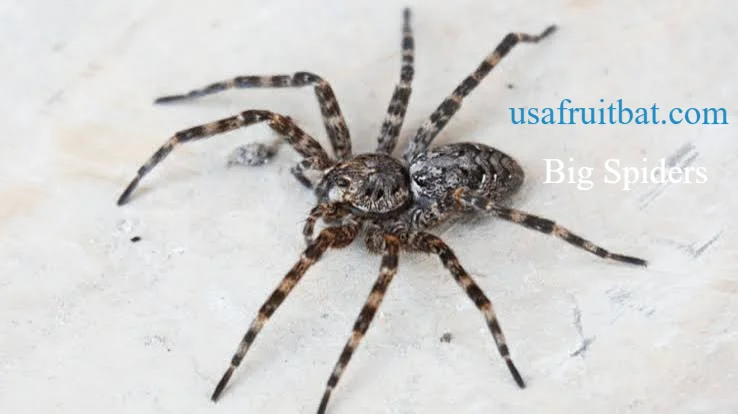
The largest spiders naturally found in New York and Pennsylvania are fishing spiders (genus Dolomedes) and wolf spiders, which can have leg spans of a few inches but are nowhere near the size of tropical species like the Goliath birdeater or giant huntsman. True giant tarantulas and huntsman spiders are not native to the northeastern United States and would only appear there as escaped or imported pets.
What should I do about big spiders in my house?
Large house spiders in most US and UK homes are typically harmless species like cellar spiders or larger wolf spiders rather than exotic giants. If you find one, it’s usually safe to relocate it outside using a cup and paper, or contact pest control if the presence is frequent or you suspect an unusual species.
Are big spiders a common Halloween theme, and are any of them real?
Yes — giant spider decorations at Halloween are typically loosely modeled on tarantulas or huntsman spiders because of their dramatic size and hairy appearance, even though the real species are rarely aggressive toward humans.
How big does the giant huntsman spider actually get?
The giant huntsman spider (Heteropoda maxima) has the largest confirmed leg span of any spider species, reaching approximately 12 inches. It was discovered in a cave in Laos and is not considered dangerous to humans.
How big is the Goliath birdeater, and is it the biggest spider in the world?
The Goliath birdeater is the heaviest spider in the world by body mass, with a leg span of around 11 inches and a weight that can exceed 6 ounces. Whether it counts as “the biggest” depends on whether you’re measuring by weight or leg span — the giant huntsman spider has the larger leg span.
Was the biggest spider in the world really found dead?
There’s no credible, verified scientific record of a new world’s-largest spider being discovered dead. Viral stories along these lines occasionally circulate online, but the recognized record holders remain the giant huntsman spider (largest leg span) and the Goliath birdeater (heaviest by weight), both well documented by arachnologists.
Are there big spiders in Australia?
Yes — Australia is home to huntsman spiders, which can have leg spans of several inches and are commonly found in homes, though they are generally harmless to humans. Australia also hosts venomous species like funnel-web spiders, which are a genuine medical concern, though they aren’t among the largest spiders by size.
Author Bio: Hamid Ali is a wildlife and nature writer covering spiders, animal behavior, habitats, and fascinating species from around the world. He focuses on presenting scientific information in clear, engaging, and reader-friendly language.
Author Name: Hamid Ali
Email: johanharwen314@gmail.com
Also Read: