

Introduction About: Red Fox Diet
Red foxes (Vulpes vulpes) eat whatever is most available and least risky to catch. That usually means small mammals such as voles and mice, followed by birds, eggs, insects, earthworms, wild fruit, carrion, and, near people, food scraps. This flexibility is why the species thrives everywhere from farmland and forest edges to big-city suburbs.
This guide covers what foxes eat, how their diet shifts by season and habitat, how arctic and island foxes differ, and why feeding a wild fox usually does more harm than good.
What Do Red Foxes Eat?
Short answer: Red foxes are opportunistic omnivores. Animal prey forms the core of their diet, and plant foods and scavenged meals fill the gaps.
| Food group | Common examples | When it matters most |
|---|---|---|
| Small mammals | Voles, mice, rats, shrews, young rabbits | Year-round; the backbone of the diet in many rural areas |
| Birds and eggs | Pigeons, game birds, waterfowl, poultry, eggs | Spring nesting season |
| Invertebrates | Earthworms, beetles, grasshoppers, caterpillars | Summer and mild, damp evenings |
| Fruit and plants | Blackberries, apples, plums, cherries | Late summer and autumn |
| Carrion | Dead deer, sheep, roadkill | Winter and lean periods |
| Human-derived food | Garbage, pet food, compost, spilled bird seed | Year-round in towns and suburbs |
The exact mix depends less on fox preference than on what the local landscape offers that week.
Are Foxes Omnivores?
Yes. Foxes belong to the order Carnivora, and meat is the foundation of their diet, but they regularly eat fruit and other plant matter. Ecologists call them opportunistic because they switch to whatever is easiest to obtain rather than specializing. A single fox might eat earthworms on a wet night, a rabbit the next day, and blackberries a week later. This flexibility explains why the red fox has the widest natural range of any wild carnivore in its family.
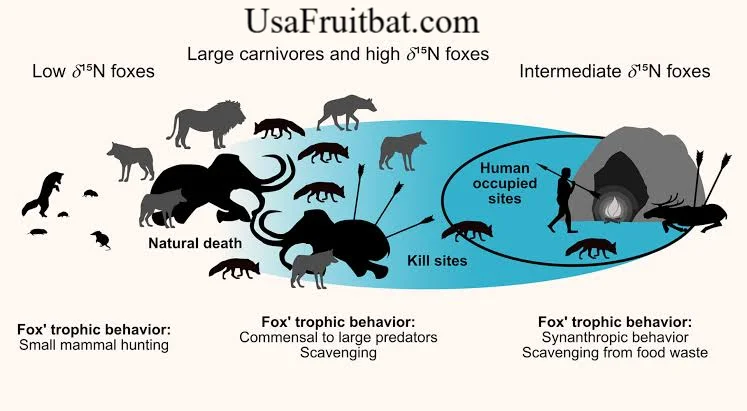
What Do Foxes Eat in the Wild?
Small Mammals: The Staple
Voles, mice, and other rodents are the most consistent prey across much of Europe and North America. Rats and shrews are also caught, and rabbits and young hares become important where they are abundant. Small mammals offer the best balance of energy and effort, so foxes hunt them whenever numbers allow.
Birds and Eggs
Foxes take ground-nesting birds, waterfowl, game birds, and poultry, and they raid nests for eggs. This is most noticeable in spring, when nests are full and cubs need feeding. Foxes that get into a henhouse may kill far more birds than they can eat, which is one reason they have a difficult relationship with poultry keepers.
Insects and Invertebrates
Insects are easy to underestimate. Beetles, grasshoppers, and crickets are eaten in large numbers in warm months, and earthworms are a major food source in wet, mild conditions, particularly in the UK. Each item is small, but they are plentiful, and no hunting skill is needed.
Fruits and Plants
Foxes eat blackberries, apples, plums, cherries, and other wild fruit, especially in late summer and autumn. Fruit adds sugar and moisture and helps foxes build fat before winter. Seeds pass through undigested, so foxes also help spread some plants.
Carrion
Foxes readily scavenge dead animals, from deer carcasses to roadkill. Carrion becomes more important in winter, when live prey is harder to find. Research in the UK has suggested that much of the lamb found in fox diets comes from animals that were already dead, though foxes do sometimes kill lambs.
How Do Foxes Hunt and Store Food?
Short answer: Foxes usually hunt alone, mostly at dusk, at night, and at dawn, and they bury surplus food to eat later.
Foxes are mainly crepuscular and nocturnal, although daytime sightings are common, especially when a vixen is feeding cubs. Their hunting behavior relies on sharp hearing. A fox listens for rodents rustling in grass or under snow, freezes, and then pounces from a high arc. A 2011 study in Biology Letters by Czech researchers found that foxes pouncing on hidden prey tended to face north-east, and suggested they may use the Earth’s magnetic field as a kind of range-finder. The idea is intriguing but still debated.
Foxes also cache food. When prey is plentiful, a fox digs a shallow hole, drops in the food, and covers it with soil or leaves, then returns later. This helps it get through lean periods and feed cubs in the den.
What Do Foxes Eat in Each Season?
Food availability shapes the fox diet through the year:
- Spring: Nesting birds, eggs, young rabbits, and voles. Demand rises because vixens are raising cubs, which are typically born between March and May.
- Summer: Insects, earthworms, and early fruit, alongside small mammals. Food is plentiful, and cubs learn to forage.
- Autumn: Fruit dominates, with berries, apples, and plums helping foxes gain weight for winter.
- Winter: Rodents (hunted even under snow), carrion, and, near people, more human food. Foxes travel farther and scavenge more when live prey is scarce.
Urban vs. Rural Fox Diet
| Urban foxes | Rural foxes | |
|---|---|---|
| Main foods | Scraps, pet food, and bird seed, plus rodents, birds, earthworms, and fruit | Voles, mice, rabbits, birds, insects, and carrion |
| Advantage | Dense, reliable food | Wider natural variety |
| Main risks | Road mortality, mange, habituation to people | Harsh winters, persecution, prey shortages |
What urban foxes eat: Studies of urban foxes in British cities, including long-running research in Bristol, found that they eat a mix of scavenged and natural food. Household garbage, discarded takeaway food, pet food left outdoors, and compost make up the human-derived part, and city foxes still catch rodents, birds, and earthworms. In US suburbs, the pattern is similar, with fallen garden fruit and unsecured trash bins as extra sources.
What rural foxes eat: Foxes on farmland and in woodland depend more heavily on wild prey, so their diet tracks local populations of voles and rabbits. When those crash, they turn to insects, fruit, and carrion.

What Do Arctic Foxes and Island Foxes Eat?
The arctic fox (Vulpes lagopus) eats lemmings and voles inland, and seabirds and their eggs on the coast. In winter it scavenges carrion left by other predators, including polar bear kills. Arctic foxes cache eggs in summer, and their numbers often rise and fall with lemming populations.
The island fox (Urocyon littoralis) is a different genus from the red fox. It lives only on California’s Channel Islands and has a smaller frame and a diet heavy on insects, fruit, deer mice, lizards, and eggs. Golden eagle predation and disease caused severe declines in the 1990s. In 2016, the US Fish and Wildlife Service removed three island fox subspecies from the endangered species list after their recovery.
Should You Feed a Wild Fox?
Short answer: No. Wildlife feeding may look kind, but it usually creates problems for both foxes and people.
- Habituation: Fed foxes lose their natural caution and may approach people, pets, and cars.
- Road mortality: Regular feeding sites draw foxes across roads at predictable times.
- Disease: Crowding at food sources helps spread wildlife disease such as mange, and foxes can carry parasites. Public health agencies such as the CDC note that rabies is a concern in parts of North America.
- Dependency: Human food is not a balanced replacement for natural prey.
- Rules: Many US states and cities restrict feeding wildlife. In the UK, feeding foxes is not generally illegal, but guidance varies between organizations.
Better options are to secure garbage and compost, feed pets indoors, pick up fallen fruit, and lock poultry away at night. If you see a fox with severe hair loss or obvious injury, contact a local wildlife rescue rather than offering food.

Frequently Asked Questions
What is a red fox diet plan?
Wild red foxes do not follow a fixed diet plan. They eat what is available, which usually means small mammals and birds as the main food, with earthworms, insects, and fruit as seasonal extras and carrion or human food as a backup. An adult fox is often estimated to need roughly half a kilogram (about one pound) of food a day. Foxes are not suitable pets, and if you find an injured or orphaned fox, contact a licensed wildlife rehabilitator rather than trying to feed it yourself.
What do foxes eat and drink?
Foxes eat small mammals, birds, eggs, insects, earthworms, fruit, and carrion. They need fresh water, which they take from streams, ponds, and puddles, and they also get moisture from their prey. In freezing conditions they may eat snow. Offering them milk or other human drinks is unnecessary.
What are some interesting facts about red foxes?
Red foxes are among the most widely distributed wild carnivores on Earth. They have vertical, cat-like pupils and very sensitive hearing, which helps them locate rodents under grass or snow. Their bushy tail helps with balance and can be curled over the nose in cold weather. A famous long-running breeding experiment that began in Russia in 1959 showed that selecting foxes for tameness alone produced dramatic changes in behavior and appearance.
What are the dangers of feeding foxes?
Regular feeding can make foxes lose their natural wariness of people, draw them into gardens and roads, and increase conflicts with neighbors and pets. Food left out also attracts rats and concentrates animals in one spot, which can help spread mange and other wildlife disease. Some foxes can also carry parasites such as roundworms or, in parts of North America, rabies, so direct contact should be avoided.
What is the red fox food chain position?
The red fox is a mid-level predator, or mesopredator. It eats plants and plant-eating animals such as voles and rabbits, as well as insects and birds, and in turn can be preyed on by larger animals such as wolves, coyotes, lynx, and golden eagles, which also take cubs. By eating rodents, foxes help keep small-mammal numbers in check.
Do red foxes eat cats?
It is possible but uncommon. Healthy adult cats are rarely killed by foxes, and most encounters end with one animal backing away. Kittens, very small cats, and small pets such as rabbits or guinea pigs and poultry are far more vulnerable, so keep them secured, especially at night.
How does the red fox digestive system work?
Red foxes have a simple, single-chambered stomach and a relatively short intestine, a design suited to digesting meat, insects, and soft fruit rather than tough plant fiber. They have 42 teeth, including sharp canines for gripping and carnassial teeth for shearing flesh. They swallow small prey in large pieces, and indigestible parts such as fur, feathers, bones, and seeds pass through in droppings, which is how scientists study their diet.
Where do red foxes live?
Red foxes live across the Northern Hemisphere, including much of North America, Europe, Asia, and parts of North Africa. They were introduced to Australia in the 1800s, where they are now an invasive predator. They use forests, grasslands, farmland, mountains, tundra edges, suburbs, and cities, and they raise cubs in dens called earths.
Author Bio: Hamid Ali is a content writer who covers wildlife, animal behavior, and nature topics. He turns research-backed information into clear, practical guides for curious readers.
Author Name: Hamid Ali
Email: johanharwen314@gmail.com
Also Read:
Are Bobcats Dangerous to People and Pets?
Types of Bumblebees
Do Foxes Eat Cats?