Introduction
Have you ever seen a photo of a tiny fruit bat wrapped in its own wings like a blanket and felt your heart melt a little? You are not alone. Cute bats have taken over social media, and honestly, once you see one up close, you understand why. These small, furry flyers often get a bad reputation because of scary movies and old myths, but the truth is far gentler and much more charming.
In this article, you will learn what actually makes bats so adorable, which species are considered the cutest in the world, and why these creatures deserve more love than fear. You will also find real facts, a simple comparison table, and answers to common questions people search for online. By the end, you might just start seeing cute bats as one of nature’s most underrated animals.
What Makes Bats Cute?
You might be wondering how a nocturnal, flying mammal earned the title of “cute.” It comes down to a few key features that trigger the same warm feeling you get from puppies or kittens.
Bats often have:
- Big round eyes that seem to stare right into your soul
- Soft, fuzzy fur covering their small bodies
- Tiny expressive faces that almost look like they are smiling
- Compact size, with many species fitting in the palm of your hand
- Gentle, curious behavior when raised in safe environments
Scientists call this the “baby schema effect.” Large eyes and a round face trigger a caring response in humans, and many cute bats naturally have both.
Cutest Bat Species in the World
Not every bat looks the same, and some species have become internet favorites because of their unusual charm. Here is a quick look at a few of the most adorable ones.
| Bat Species | Notable Feature | Where It Lives | Cuteness Factor |
|---|---|---|---|
| Honduran White Bat | Snow white fur, yellow ears and nose | Central America | Looks like a tiny cotton ball |
| Long Eared Bat | Ears almost as long as its body | Europe and Asia | Big ears, bigger charm |
| Little Brown Bat | Small size, gentle nature | North America | Palm sized and friendly |
| Fruit Bat (Flying Fox) | Fox like face, large eyes | Asia, Africa, Australia | Puppy dog eyes on wings |
| Bumblebee Bat | Smallest mammal on earth | Thailand | Fits on your thumb |
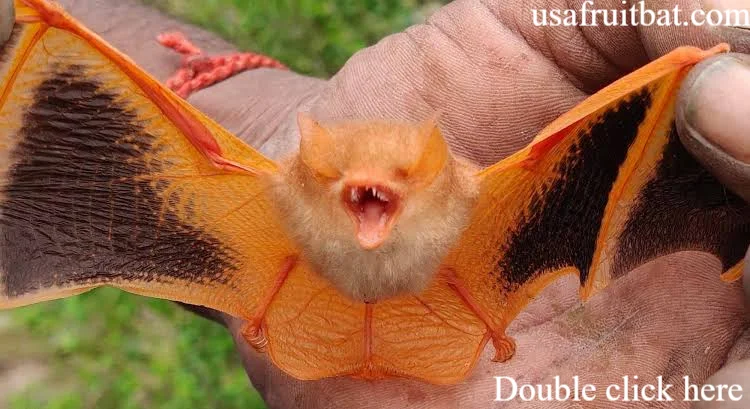
Each of these species proves that cute bats come in many shapes, sizes, and personalities. The Honduran White Bat, for example, is often called the most photogenic bat because of its bright fur and tiny size.
Why Do People Find Cute Bats So Fascinating?
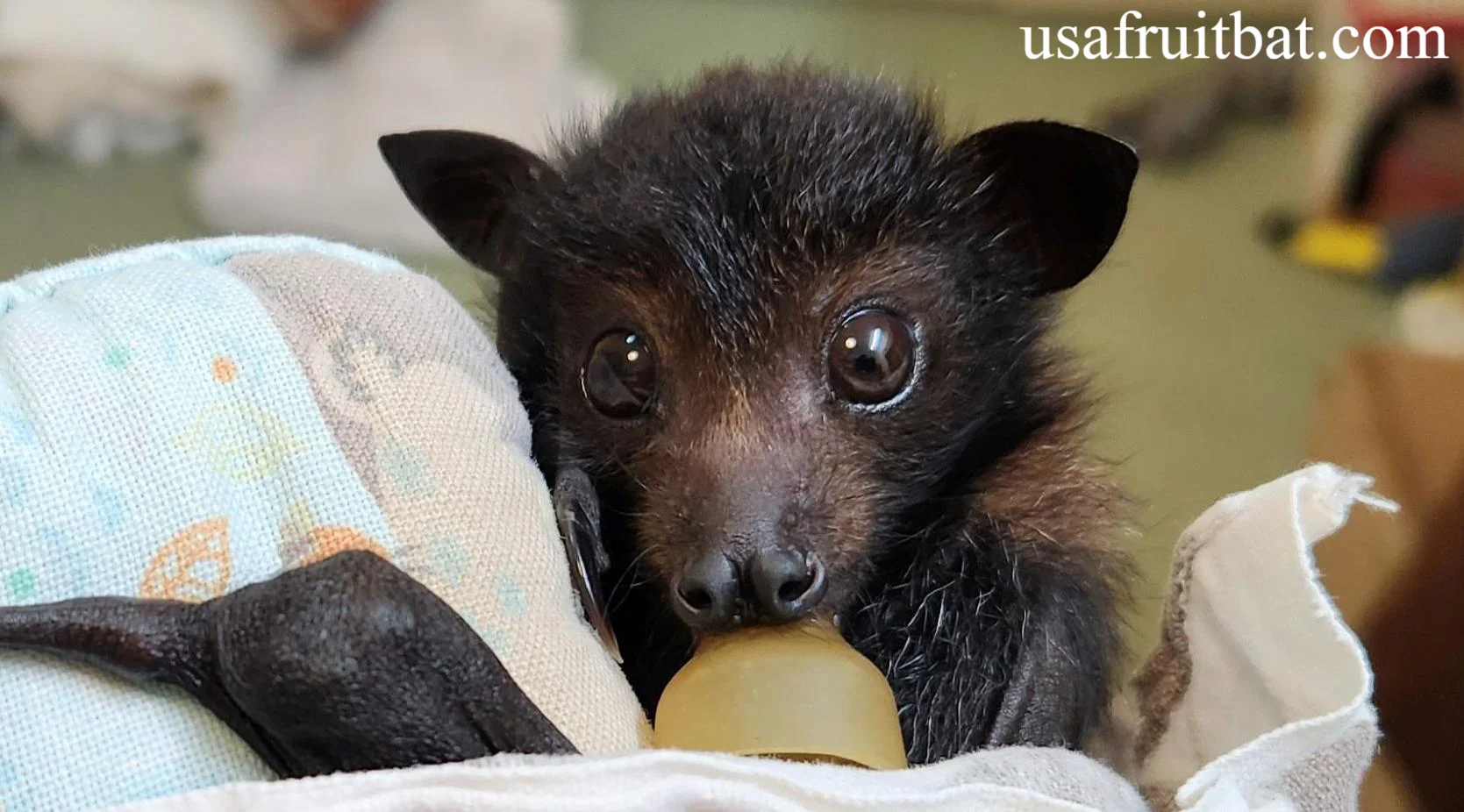
I remember the first time I watched a video of a baby bat being fed with a tiny bottle by a wildlife rescuer. It completely changed how I viewed these animals. That single clip felt more powerful than years of scary movie stereotypes.
Wildlife experts agree that exposure changes perception. According to Bat Conservation International, more than 1,400 bat species exist worldwide, and the vast majority are harmless to humans. Once people see rescue videos or close up photos, fear often turns into fascination.
This shift matters because bats play a huge role in nature. A single bat can eat thousands of insects in one night, which helps farmers and gardeners naturally control pests. Cute bats are not just adorable, they are also hardworking members of the ecosystem.
Are Cute Bats Actually Dangerous?
This is one of the biggest questions people search for, and it deserves a clear answer.
Most bats avoid humans entirely. They are shy, nocturnal, and prefer quiet caves, trees, or attics away from people. The fear around bats usually comes from a small number of cases involving disease transmission, not from bats being naturally aggressive.
You should still follow basic safety rules:
- Never touch a wild bat with bare hands
- Avoid handling bats that appear sick or grounded
- Contact a wildlife rescue if you find an injured bat
- Keep pets away from wild bat colonies
- Get medical advice immediately if a bat bites or scratches you
Following these simple steps lets you admire cute bats safely while respecting their wild nature.
How You Can Help Protect Cute Bats
Bat populations face real threats, including habitat loss, climate change, and a disease called white nose syndrome that has killed millions of bats in North America. If you want to support these animals, you have several easy options.
You can help by:
- Planting night blooming flowers that attract insects bats eat
- Installing a bat house in your backyard
- Avoiding pesticide use, which reduces the bats’ food source
- Supporting local wildlife rescue organizations
- Sharing accurate information instead of scary myths
Even small actions add up. Conservation groups report that community bat houses have helped stabilize local populations in several regions across the United States and Europe.
Fun Facts About Cute Bats
Here are a few facts that might surprise you.
- Bats are the only mammals capable of true flight
- Some bat species can live longer than 30 years
- A newborn bat pup can weigh up to a quarter of its mother’s body weight
- Many bats use echolocation, sending sound waves to “see” in the dark
- Fruit bats help pollinate plants like mangoes, bananas, and agave
These facts show that cute bats are not just visually appealing. They are biologically remarkable creatures with skills few other animals share.
Frequently Asked Questions
What are cute bats called? There is no single scientific name for “cute bats.” The term simply refers to species like the Honduran White Bat, fruit bats, and long eared bats that people commonly find adorable.
Are cute bats safe to keep as pets? No. Bats are wild animals and are illegal to keep as pets in most countries. Rescue centers care for injured bats, but they are not suitable for home ownership.
Why do cute bats sleep upside down? Bats hang upside down because their leg structure allows them to drop into flight instantly, which helps them escape predators quickly.
Do all bats carry rabies? No. Only a very small percentage of bats carry rabies. Most bats never come into contact with humans at all.
What do cute bats eat? Diet depends on species. Many eat insects, while others eat fruit, nectar, or pollen. A small number of species eat small animals or fish.
Where can I see cute bats safely? Wildlife sanctuaries, bat conservation centers, and guided nature tours offer safe ways to observe bats without disturbing their natural habitat.
Why are bats considered good for the environment? Bats control insect populations, pollinate plants, and spread seeds, making them essential to healthy ecosystems.
Final Thoughts
Cute bats deserve a much better reputation than the one horror movies gave them. Once you look past the myths, you find gentle, intelligent, and surprisingly adorable animals that quietly support the environment around us. From the fluffy Honduran White Bat to the tiny bumblebee bat, these creatures prove that nature often hides its cutest surprises in the most unexpected places.
So next time you see a photo of a bat wrapped up like a burrito or hanging peacefully in a tree, take a second look. You might just fall in love with cute bats the same way many others already have. Would you consider setting up a bat house in your own backyard? Share your thoughts, and pass this article along to a friend who still thinks bats are scary.
usafruitbat.com
Email: johanharwen314@gmail.com
Author Name: Hamid Ali
Author Bio: Hamid Ali is a wildlife content writer who enjoys turning misunderstood animals into relatable stories. He focuses on making nature topics simple, accurate, and easy for everyday readers to enjoy.