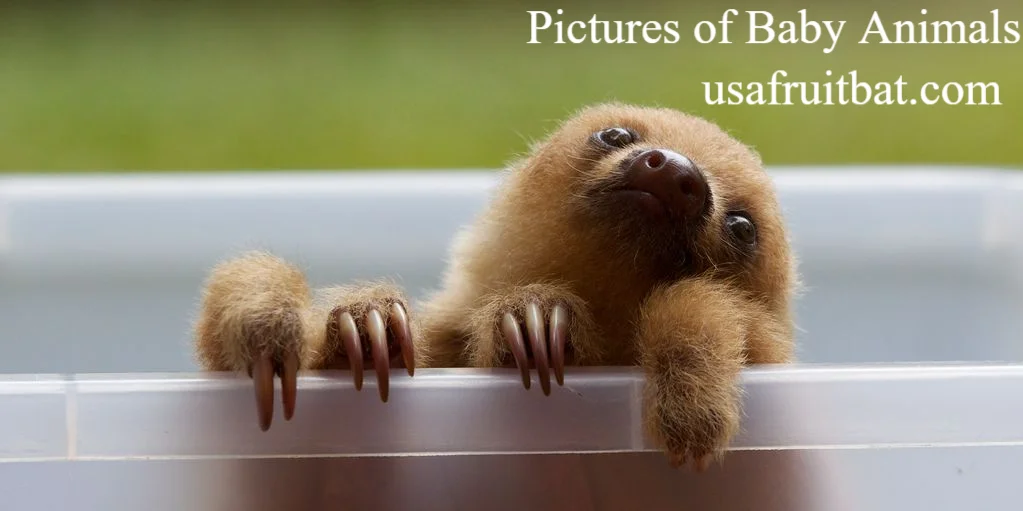
If you love wildlife photography, few subjects are more appealing than newborn animals. From a tiny kitten or duckling to a giant elephant calf or playful panda cub, young animals have distinctive features and behaviors that make them fascinating to watch.
This collection of pictures of baby animals brings together 37 adorable animal babies, including mammals, birds, reptiles, amphibians, farm animals, and marine species. Along with their names, you’ll learn a little about how each young animal is born, cared for, and develops.
37 Adorable Baby Animals to Explore
1. Kitten
A kitten is a young cat and one of the most familiar cute animal babies. Newborn kittens are tiny, helpless, and born with their eyes closed. They depend completely on their mother for warmth, food, and protection during their first weeks.
As they grow, kittens become increasingly active, learning to walk, play, climb, and interact with their surroundings.
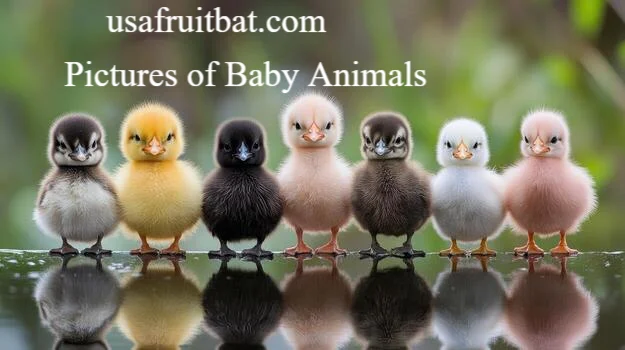
2. Duckling
Ducklings are young ducks covered in soft down. They usually hatch from eggs and can walk soon afterward.
One of their most recognizable behaviors is following their mother closely, often forming a neat little line as they explore ponds, streams, or grassy areas.
3. Tiger Cub
Tiger cubs are born relatively small compared with their powerful adult parents. Their striped coats are visible from an early age and provide camouflage as they grow.
Cubs remain dependent on their mother while learning important survival skills, including hunting and navigating their territory.
4. Elephant Calf
An elephant calf is one of the largest newborn mammals. Despite its impressive size, a newborn calf can appear surprisingly unsteady.
Young elephants learn by staying close to their mothers and other members of the herd. Their trunks also take time to control, creating some wonderfully clumsy moments.
5. Puppy
Puppies are young dogs and among the most photographed domestic animals. They are born unable to see or hear properly and rely heavily on their mother during their first weeks.
Their playful behavior, soft fur, oversized paws, and curious expressions make puppies perennial favorites in animal photography.
6. Piglet
Piglets are young pigs with surprisingly energetic personalities. They are born in litters and quickly begin exploring their surroundings.
Their small size, soft bodies, and characteristic squeals make them particularly entertaining examples of baby farm animals.
7. Fawn
A fawn is a young deer. Many fawns are born with white spots that help them blend into vegetation.
Unlike some young mammals that follow their mothers immediately, very young fawns may remain hidden while their mothers feed nearby. Their camouflage is an important early survival adaptation.
8. Foal
A foal is a young horse. Foals are relatively large at birth and can usually stand and walk surprisingly soon after being born.
Their long legs, oversized ears, and slightly awkward movements give them a distinctive appearance during their early development.
9. Calf
The word calf commonly refers to a young cow, although it is also used for the young of several other large mammals.
Newborn calves quickly learn to stand and walk. Their large eyes, soft coats, and wobbly first steps make them popular subjects for farm photography.
10. Porcupette
A baby porcupine is called a porcupette. Unlike the extremely hard quills of an adult, a newborn porcupine initially has softer quills that harden as it develops.
Porcupettes are usually born singly and remain dependent on their mothers during early life.
11. Cygnet
A cygnet is a young swan. Cygnets are covered in soft down and spend much of their early lives close to their parents.
They may swim beside their mother or even rest on her back. Their fluffy appearance contrasts dramatically with the elegant appearance of adult swans.
12. Kangaroo Joey
A kangaroo baby is called a joey. It is born at an extremely early stage of development and makes its way into its mother’s pouch.
Inside the pouch, the joey continues developing while feeding and remaining protected. Eventually, it begins looking outside before becoming confident enough to explore.
13. Bunny
A baby rabbit is commonly called a bunny or kit. Newborn rabbits are tiny and helpless, with little fur compared with adults.
They develop quickly, and within a relatively short time they transform from fragile newborns into active young rabbits.
14. Raccoon Kit
A young raccoon is called a kit. Raccoon kits are born with their eyes closed and remain in a protected den during their earliest weeks.
Their distinctive facial markings become increasingly noticeable as they mature, giving them the familiar masked appearance associated with adult raccoons.
15. Nicobar Pigeon Squab
A baby pigeon is called a squab. Young Nicobar pigeons are particularly vulnerable when they hatch and depend on their parents for food and protection.
As their feathers develop, they gradually begin to resemble the striking adults, which are known for their colorful plumage.
16. Seal Pup
Seal pups are among the most recognizable newborn marine animals. Depending on the species, newborn pups may have thick, pale coats that provide warmth and camouflage.
They spend their early days nursing and growing rapidly before becoming increasingly independent.
17. Eaglet
An eaglet is a young eagle. Newly hatched eaglets have fluffy bodies, large beaks, and surprisingly oversized feet.
Their parents provide food while the young birds grow stronger. Eventually, the awkward-looking eaglet develops the feathers and strength needed for flight.
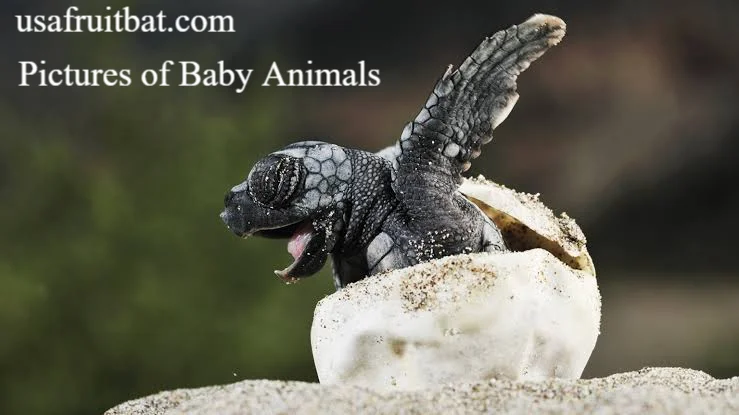
18. Snapping Turtle Hatchling
Snapping turtle hatchlings emerge from eggs as tiny versions of their adult counterparts. They receive no parental care after hatching and must make their way toward suitable habitat.
Their miniature shells and determined movements make them fascinating examples of baby reptiles.
19. Koala Joey
Koala babies are also called joeys. Like kangaroo joeys, they begin life extremely small and continue developing inside their mother’s pouch.
Later, a young koala begins venturing outside while remaining close to its mother. Its round face and fuzzy ears make it especially popular in wildlife photography.
20. Discus Fish Fry
A young fish is generally called a fry. Discus fish have an unusual form of parental care in which their young feed on nutrient-rich mucus produced by their parents.
The tiny fry often stay close to the adults while developing.
21. Chick
A chick is a young chicken or, more generally, a young bird of certain species. Newly hatched chicks are covered in soft down and are usually active soon after hatching.
Their constant peeping, tiny feet, and fluffy appearance make them classic examples of adorable animal babies.
22. Bear Cub
Bear cubs are born extremely small compared with their mothers. They spend their earliest months relying on maternal care.
As they grow, cubs become increasingly playful, climbing, wrestling, and exploring around their mother.
23. Lamb
A lamb is a young sheep. Lambs are usually born with a soft coat and can stand and walk soon after birth.
Their playful running and jumping, particularly in spring, make them a favorite subject for countryside photography.
24. Goat Kid
A baby goat is called a kid. Kids are famous for their energetic behavior and ability to jump, climb, and investigate almost everything around them.
Their playful personalities make them some of the most entertaining baby farm animals.
25. Giraffe Calf
Giraffe calves are remarkably tall at birth. They are born with long legs and a distinctive spotted coat.
Despite their size, newborn calves can appear surprisingly delicate while learning to coordinate their unusually long limbs.
26. Wild Boar Shoat
A young wild boar is called a shoat. Young wild boar often have striped coats that help provide camouflage.
They usually stay close to their mother and siblings while learning how to forage and navigate their environment.
27. Hedgehog Hoglet
A baby hedgehog is called a hoglet. Newborn hoglets are extremely small and initially have soft spines.
As they develop, their characteristic protective spines become more prominent, transforming them into miniature versions of adult hedgehogs.
28. Chimpanzee Infant
Chimpanzee infants are highly dependent on their mothers. They cling closely to their mothers while developing the coordination and social skills necessary for life in their communities.
Their expressive faces and grasping hands can make them look remarkably similar to human babies.
29. Humpback Whale Calf
Humpback whale calves are enormous newborns, yet they remain dependent on their mothers for milk and protection.
A young calf may be seen swimming close beside its mother. Their enormous size combined with their playful movements makes them spectacular subjects for wildlife photographers.
30. Alligator Hatchling
Alligator hatchlings emerge from eggs only several inches long. Their mothers may remain nearby and help protect them during their early development.
Young alligators can produce vocalizations that help them communicate with their mother and siblings.
31. Octopus Larva
Octopus larvae look very different from the familiar adults. Many species spend their early lives drifting in the water column as tiny planktonic animals.
Their miniature tentacles and unusual appearance make them some of the strangest newborn creatures in the animal world.
32. Starling Chicks
Starling chicks hatch relatively helpless and depend on their parents for frequent feeding.
Their wide-open mouths and constant begging behavior may look comical, but these behaviors are essential for receiving enough food during rapid growth.
33. Owlet
An owlet is a young owl. Owlets are often covered in fluffy down and have disproportionately large eyes and heads.
Their round appearance and awkward movements give them a distinctive cartoon-like quality.
34. Opossum Joey
Opossum joeys are extremely tiny at birth. They crawl into their mother’s pouch, where they continue developing.
Later, young opossums may cling to their mother as she moves around, creating one of the more unusual sights among wild baby animals.
35. Tadpole
A tadpole is the early aquatic stage of a frog or toad. Unlike mammals, tadpoles look nothing like their eventual adult form.
They begin with tails and gradually develop legs, lungs, and other features needed for life on land. This dramatic transformation is one of nature’s most fascinating life cycles.
36. Panda Cub
Panda cubs are famously tiny compared with their mothers. Newborn cubs are highly dependent and require extensive maternal care.
As they grow, they develop the characteristic black-and-white coat and eventually become the round, playful animals people recognize from wildlife photographs.
37. Zebra Foal
A zebra foal is born with its distinctive striped coat. Young zebras can stand and move soon after birth, an important ability for animals living in environments where predators are a constant threat.
Their fuzzy coats and bold stripes make zebra foals particularly striking in photographs.
Why Do Baby Animals Look So Cute?
Baby animals often have features that humans naturally find appealing, including relatively large eyes, rounded faces, small noses, soft bodies, and awkward movements.
These characteristics are sometimes described as baby schema, a set of physical traits associated with infant animals and human infants. Such features can encourage adults to pay attention to and care for young offspring.
However, cuteness is not simply about appearance. The way a young animal behaves also contributes to its appeal. Playfulness, curiosity, clumsy movement, and close interaction with a parent can make wildlife images especially engaging.
A Quick Guide to Baby Animal Names
| Adult Animal | Baby Name |
|---|---|
| Cat | Kitten |
| Dog | Puppy |
| Duck | Duckling |
| Tiger | Cub |
| Elephant | Calf |
| Deer | Fawn |
| Horse | Foal |
| Porcupine | Porcupette |
| Swan | Cygnet |
| Kangaroo | Joey |
| Raccoon | Kit |
| Eagle | Eaglet |
| Bear | Cub |
| Sheep | Lamb |
| Goat | Kid |
| Giraffe | Calf |
| Hedgehog | Hoglet |
| Whale | Calf |
| Alligator | Hatchling |
| Owl | Owlet |
| Opossum | Joey |
| Frog | Tadpole |
| Panda | Cub |
| Zebra | Foal |
How to Enjoy Pictures of Baby Animals Responsibly
Beautiful wildlife photography can encourage people to appreciate nature, but photographing newborn animals should always be done responsibly.
When viewing or taking wildlife pictures:
- Keep a respectful distance from wild animals.
- Never touch or feed a wild baby animal.
- Avoid disturbing nests, dens, or burrows.
- Do not separate young animals from their mothers for photographs.
- Follow local wildlife regulations.
- Use reputable wildlife photography and conservation sources when sharing images.
A photograph is most meaningful when the animal’s safety comes first.
Frequently Asked Questions
Cute pictures of baby animals
Cute pictures of baby animals can include kittens, puppies, panda cubs, elephant calves, ducklings, baby seals, koala joeys, lambs, giraffe calves, and many other young animals. Wildlife photography can also show less familiar babies such as porcupettes, hoglets, cygnets, and eaglets.
Pictures of baby animals and birds
Pictures of baby animals and birds can show mammals such as kittens, puppies, bear cubs, and elephant calves alongside young birds such as chicks, eaglets, owlets, cygnets, and starling chicks. Each species has different growth stages and parental-care behaviors.
Cute baby animal pictures with names
Some popular baby animal pictures with names include a kitten for a young cat, puppy for a young dog, cub for a young tiger or bear, calf for a young elephant or giraffe, joey for a kangaroo or koala, lamb for a young sheep, and kid for a young goat.
Cute baby animals drawings
Cute baby animals drawings often feature simplified versions of kittens, puppies, pandas, rabbits, ducklings, elephants, and other popular species. Drawing baby animals can also be a fun way for children to learn animal names and basic anatomy.
Mother and baby animals pictures with names
Mother and baby animals pictures can show important relationships in nature, including elephants with calves, kangaroos with joeys, koalas with joeys, bears with cubs, and giraffes with calves. These images can help illustrate how different species care for their young.
Cute baby animals real
Real pictures of baby animals are available through reputable wildlife photographers, zoos, conservation organizations, and nature publications. Real wildlife images are especially valuable because they show natural behaviors rather than staged interactions.
Final Thoughts
From a tiny tadpole to a two-ton elephant calf, baby animals come in an extraordinary range of shapes and sizes. Some are born helpless and require months or years of parental care, while others can walk, swim, or run shortly after birth.
The best pictures of baby animals do more than show something cute. They give us a glimpse into animal development, family relationships, survival strategies, and the remarkable diversity of life on Earth.
Author Bio: Hamid Ali is a wildlife and nature writer who enjoys exploring fascinating animal behaviors, species facts, and the natural world. His work focuses on creating engaging, accurate, and easy-to-understand content for readers interested in wildlife and animal photography.
Author Name: Hamid Ali
Email: johanharwen314@gmail.com
Also Read: