
Introduction
Papaya is a popular tropical fruit known for its sweet taste, refreshing texture, and nutritional value. However, many people overlook the small black seeds found inside it. These seeds have attracted attention because they contain natural plant compounds and antioxidants that researchers are studying for their possible health properties.
Understanding papaya seeds benefits can help you make informed decisions about including them in your diet. From their nutritional composition to traditional uses, these seeds offer interesting possibilities. However, they also come with potential risks, and not every claimed health advantage has been proven in humans. This guide explores their uses, nutrition, possible benefits, and side effects.
What Are Papaya Seeds?
Papaya seeds are the small, round, black seeds found inside a ripe papaya. They have a slightly slippery outer coating when fresh and a firm texture inside. Their flavor is noticeably peppery and mildly bitter, which makes them different from the naturally sweet flesh of the fruit.
These seeds come from the papaya tree, scientifically known as Carica papaya. They are commonly removed before eating the fruit, but some cultures use them as a seasoning or traditional food ingredient. You can find them fresh, dried, crushed, or ground into powder.
sourecs: webmd.com
Papaya Seeds Benefits: Potential Health Advantages
One reason people are interested in papaya seeds benefits is their naturally occurring antioxidants. These compounds help protect cells against oxidative stress caused by unstable molecules called free radicals. Laboratory research has identified antioxidant activity in papaya seed extracts, although more human studies are needed to understand their actual health effects.
Papaya seeds also contain several plant compounds that researchers are investigating for their possible biological properties. Some laboratory studies suggest antimicrobial and anti-inflammatory activity. However, these findings do not establish that eating the seeds can prevent infections or treat inflammatory diseases. They should be considered a food ingredient rather than a proven medical treatment.
Nutritional Value of Papaya Seeds
Papaya seeds contain a combination of natural fats, fiber, and plant-based compounds. Their nutritional composition makes them different from the juicy fruit surrounding them. They also contain various phytochemicals that contribute to their characteristic taste and are being studied for their potential antioxidant properties.
The exact nutritional value depends on the variety of papaya, seed maturity, preparation, and serving size. Fresh and dried seeds may have different nutritional concentrations because drying removes water. Although they contain interesting compounds, papaya seeds should not be treated as a complete source of essential nutrients.
Can You Eat Papaya Seeds?
Yes, papaya seeds are edible, and some people consume them fresh or dried. Their peppery flavor is stronger than many people expect, so they may take some time to get used to. You can collect them directly from a ripe papaya, remove the slippery coating, and wash them before preparation.
However, edible does not automatically mean suitable for unlimited consumption. There is limited reliable research establishing a safe daily serving or long-term intake level. If you want to try them, start with a very small food-sized amount and avoid concentrated supplements or extracts without professional guidance.
How to Eat Papaya Seeds Safely
There are several ways to prepare papaya seeds for everyday meals. Fresh seeds can be washed and used in small quantities, while dried seeds can be crushed into a powder. Their peppery taste makes them an interesting seasoning for people who enjoy experimenting with natural ingredients.
You can also add a small amount of ground seeds to salad dressings or homemade sauces. Some people experiment with mixing them into smoothies, although their bitterness may change the flavor. Always use clean utensils, store prepared seeds properly, and avoid consuming large quantities simply because they are described as healthy.
Possible Side Effects of Papaya Seeds
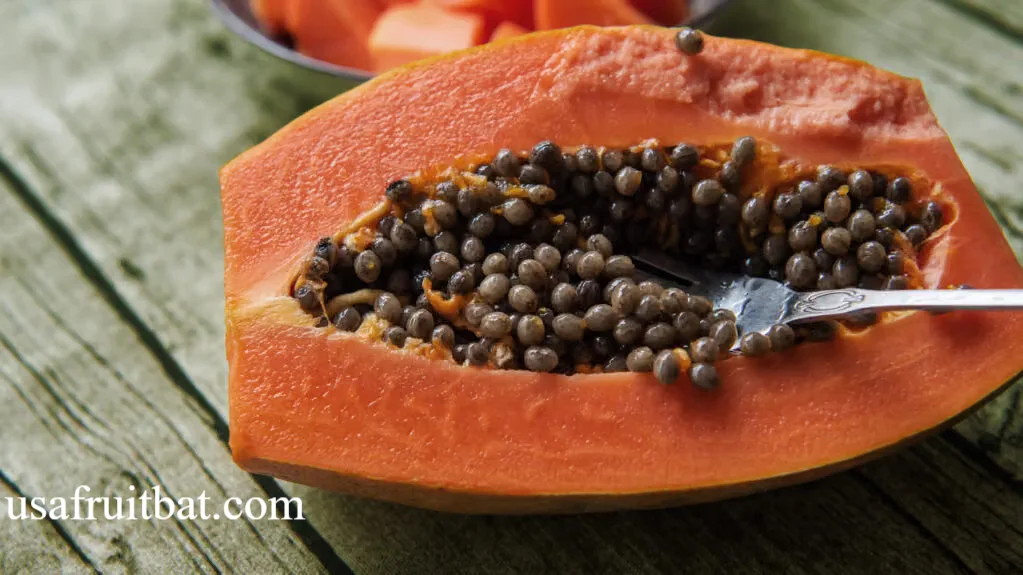
Although papaya seeds are edible, consuming too many may cause digestive discomfort. Some people may experience stomach irritation, nausea, or other unwanted reactions. Their concentrated extracts may also have different effects from ordinary food portions, so they should not be assumed to be safe simply because the seeds come from a fruit.
Another important concern involves reproductive health. Some animal studies have investigated possible effects of papaya seed extracts on male fertility. These findings cannot automatically be applied to humans, but they highlight why excessive consumption and concentrated preparations deserve caution. Pregnant people, those trying to conceive, and individuals with existing medical conditions should consult a healthcare professional before using papaya seeds medicinally.
Papaya Seeds vs. Papaya Fruit: What’s the Difference?
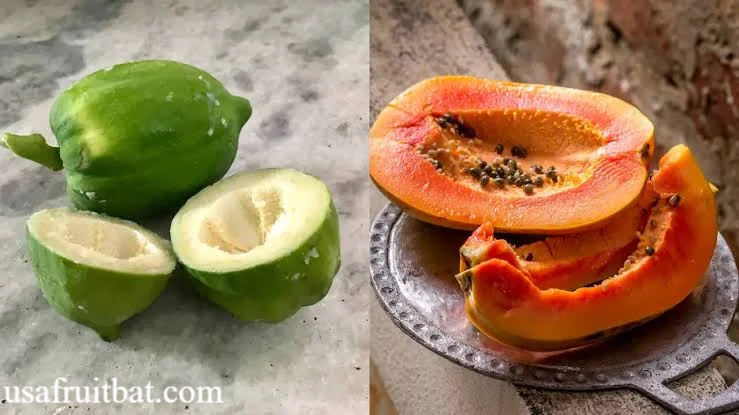
Papaya fruit and its seeds have different nutritional characteristics, flavors, and common uses. The orange flesh is naturally sweet and provides vitamin C, fiber, and carotenoids. It is widely enjoyed as a fresh snack, breakfast ingredient, or addition to fruit salads and smoothies.
Papaya seeds, on the other hand, have a peppery and slightly bitter flavor. They contain different plant compounds and are generally consumed in much smaller quantities. While both parts come from the same fruit, their nutritional properties are not interchangeable. Eating the fruit is an established way to enjoy papaya’s nutritional value, whereas research into the seeds remains limited.
What Does Papaya Taste Like?
Ripe papaya has a sweet, mild tropical flavor with a soft and smooth texture. Depending on the variety and ripeness, some people describe its taste as a combination of melon and peach. The flesh becomes softer and sweeter as the fruit ripens, making it suitable for fresh eating and different recipes.
Papaya seeds have a completely different taste. They are peppery, slightly bitter, and sometimes compared with mustard or black pepper. This strong flavor explains why people often use small quantities when adding them to food. If you prefer mild flavors, dried and ground seeds may be easier to incorporate into dressings and seasonings.
How to Choose and Store Ripe Papaya and Its Seeds
Choosing a ripe papaya is important for enjoying its best flavor. Look for fruit with yellow or orange patches on the skin and a slight softness when gently pressed. A ripe papaya should also have a pleasant, sweet aroma. Avoid fruit with extensive bruising, leaking liquid, or signs of spoilage.
After cutting the fruit, remove the seeds with a spoon and separate them from the flesh. Wash them thoroughly under clean running water. Fresh seeds should be stored in a clean, covered container in the refrigerator and used promptly. If you dry seeds, ensure they are completely dry before placing them in an airtight container.
What Does Scientific Research Say About Papaya Seeds?
Scientific research has explored several properties of papaya seeds, particularly their antioxidant activity. A study published in the scientific literature and available through the National Institutes of Health examined the antioxidant effects of Carica papaya seed extracts. Its findings provide useful information about laboratory activity, but they do not prove that eating papaya seeds produces the same effects in humans.
Researchers have also investigated possible antimicrobial and reproductive effects using laboratory and animal models. These studies are interesting starting points, but they have important limitations. Human clinical research remains insufficient to confirm many popular claims about papaya seeds benefits. Therefore, it is important to separate traditional uses and early scientific findings from established medical evidence.
Conclusion
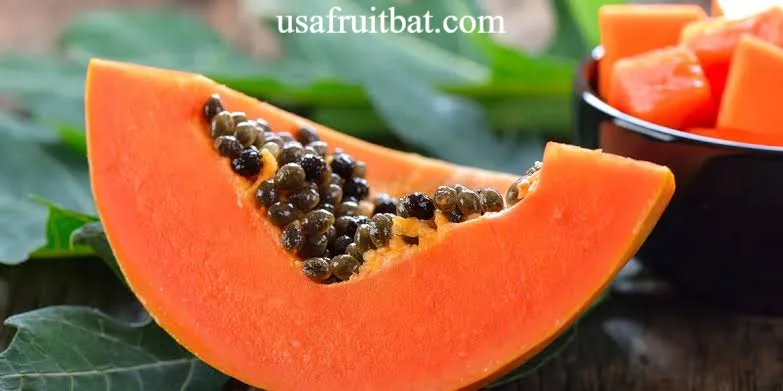
Papaya seeds are an interesting part of a tropical fruit that many people usually discard. They contain natural plant compounds and antioxidants that researchers continue to investigate. Their peppery flavor also makes them useful as an occasional seasoning in certain recipes.
Understanding papaya seeds benefits requires looking at both their potential advantages and possible risks. Although they are edible, evidence supporting specific health claims remains limited, and excessive consumption may cause unwanted effects. Enjoy ripe papaya as part of a balanced diet, approach seed consumption cautiously, and consult a healthcare professional before using concentrated preparations.
Frequently Asked Questions
What are the main papaya seeds benefits?
Papaya seeds contain antioxidants and other plant compounds that are being studied for possible digestive, antimicrobial, and anti-inflammatory properties. Strong human evidence remains limited.
Can you eat papaya seeds every day?
Papaya seeds are edible, but there is insufficient research to establish a safe daily serving or confirm the long-term effects of regular consumption.
How many papaya seeds are safe to eat?
There is no scientifically established safe daily amount. Avoid large quantities and concentrated extracts, and seek professional advice if you have health concerns.
Do papaya seeds help with digestion?
Papaya seeds contain natural plant compounds, but reliable human evidence showing that they improve digestion is currently limited.
What do papaya seeds taste like?
They have a strong, peppery, slightly bitter flavor that some people compare with black pepper or mustard seeds.
Can papaya seeds cause side effects?
Yes. Excessive consumption may cause digestive discomfort or other unwanted reactions. Concentrated preparations may carry additional risks.
Are papaya seeds good for your liver?
Some preliminary research has investigated papaya seed extracts, but there is not enough reliable human evidence to establish liver-protective benefits.
Can pregnant women eat papaya seeds?
There is insufficient safety research regarding papaya seeds during pregnancy. Pregnant people should avoid medicinal amounts and consult a healthcare professional before consuming them.
Also Read