
Introduction
You have probably walked past a fresh market and wondered if it is worth your time. Maybe you already shop at one but feel like you are missing out on something. Either way, you are in the right place.
The fresh market is one of the most underrated places to shop for food. It offers better produce, lower prices, and a more personal experience than your average supermarket. Yet many people still choose the convenience of a big retail chain over the charm and quality of a local market.
In this article, you will learn exactly what a fresh market is, what makes it special, and how to shop there like a pro. We will cover health benefits, money-saving tips, and the common mistakes that cost shoppers both time and money. Whether you are a first-time visitor or a regular shopper, this guide will help you get the most out of every trip.
What Is a Fresh Market?
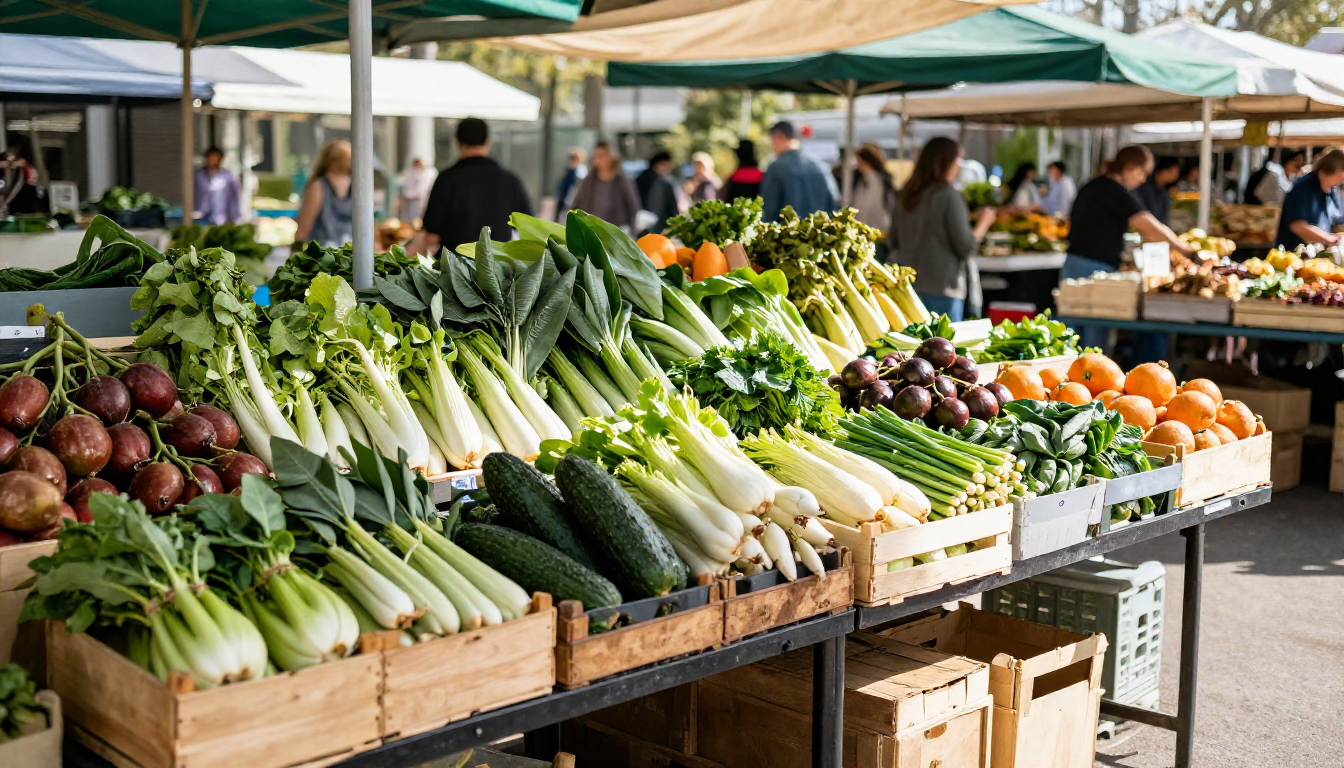
A fresh market is a retail space where vendors sell freshly harvested or locally sourced food products. These typically include fruits, vegetables, herbs, dairy, eggs, meat, and sometimes baked goods or artisan products.
Unlike a supermarket, a fresh market focuses on produce that comes directly from farms or small producers. The supply chain is shorter, which means food reaches you faster. That means better flavor, more nutrients, and often a lower price per item.
Fresh markets can be permanent structures or open-air setups that operate on specific days. Farmers markets, wet markets, and specialty food halls all fall under this broad category.
You will find them in cities, suburbs, and small towns across the world. Each one reflects the local food culture, climate, and agricultural traditions of its region.
Why the Fresh Market Beats Supermarkets
You might wonder why anyone would choose a fresh market over a well-stocked supermarket with 24-hour access and air conditioning. The answer comes down to three things: quality, connection, and cost.
Quality is noticeably different. Produce at a fresh market is typically harvested within 24 to 72 hours of sale. Supermarket produce often travels thousands of miles and sits in cold storage for days or even weeks before it reaches the shelf.
Connection matters more than you think. At a fresh market, you can ask the vendor exactly where the tomatoes came from, how the eggs were gathered, or whether the honey is raw or processed. That kind of transparency is rare in a big retail environment.
Cost can surprise you. Many people assume fresh markets are expensive. In reality, buying directly from producers cuts out multiple middlemen. That saving often gets passed on to you.
I have personally found that I spend less at my local fresh market than I do at the supermarket, and I come home with far better produce. That trade-off speaks for itself.
What You Can Find at a Fresh Market
A fresh market offers far more variety than most people expect. Here is a breakdown of what you typically find:
Fruits and Vegetables
This is the heart of any fresh market. Expect seasonal produce that varies by time of year. You will often find heirloom varieties and local cultivars that supermarkets do not carry.
Meat and Poultry
Many fresh markets include butcher stalls that offer grass-fed beef, free-range chicken, and pasture-raised pork. The cuts are often more varied and the meat is fresher than what you find pre-packaged in a supermarket.
Dairy and Eggs
Farm-fresh eggs and artisan cheeses are common finds. Some vendors sell raw milk depending on local regulations. These products come with a noticeable difference in taste and texture.
Herbs and Spices
Fresh herbs like basil, cilantro, mint, and thyme are usually sold in larger quantities and for less money than at a grocery store. Dried spice vendors sometimes offer blends you simply cannot find elsewhere.
Baked Goods and Specialty Items
Sourdough bread, homemade jams, infused oils, and other artisan products are common. These items support small-scale producers who cannot afford shelf space in major retailers.
How to Shop Smart at a Fresh Market
Shopping at a fresh market is a skill. You get better at it every time. Here are the steps to make the most of your visit:
1. Go early for the best selection. The freshest produce and most popular items sell out quickly. Arriving in the first hour gives you access to everything.
2. Bring cash. Many vendors at a fresh market do not accept cards. Even those who do may prefer cash for small transactions. Bringing small bills makes the process faster.
3. Bring your own bags. Most fresh markets are environmentally conscious. Reusable bags are practical and often expected. Plastic bags may not be available.
4. Walk the whole market before buying. Prices and quality vary across stalls. Do a full loop first, then go back to the best vendors. This takes discipline but saves money and prevents buyer’s remorse.
5. Ask questions freely. Vendors at a fresh market love to talk about their products. Ask about growing methods, when the item was harvested, or how to cook something you do not recognize. You will learn a lot and often get free samples.
6. Buy in season. Seasonal produce is cheaper, tastier, and more nutritious. If strawberries are in season, buy them in bulk and freeze what you cannot eat that week.
Fresh Market vs. Grocery Store: A Clear Comparison
Here is a side-by-side look at the two options:
| Feature | Fresh Market | Grocery Store |
|---|---|---|
| Freshness | Very high | Moderate |
| Price | Competitive to low | Variable |
| Variety | Seasonal and local | Wide but standardized |
| Source transparency | High | Low |
| Packaging waste | Minimal | High |
| Shopping experience | Personal and engaging | Impersonal |
| Availability | Limited hours or days | Often 24/7 |
The grocery store wins on convenience and consistency. The fresh market wins on almost everything else that actually affects your health and your wallet.
Health Benefits of Buying From a Fresh Market
The health case for shopping at a fresh market is strong. Research consistently shows that fresher produce retains more nutrients. Here is why that matters:
Higher Nutrient Density
Fruits and vegetables begin losing vitamins and antioxidants the moment they are harvested. Studies show that spinach can lose up to 75% of its folate content within seven days of harvest. At a fresh market, you are buying produce that has been harvested recently. That means you get more nutrition per bite.
Fewer Preservatives and Chemicals
Fresh market produce is often grown by small-scale farmers who rely less on synthetic pesticides and preservatives. Many vendors at a fresh market are certified organic or practice low-spray farming even without formal certification.
Encourages Healthier Eating Habits
When you shop at a fresh market, you naturally buy more whole foods. Whole foods lead to better cooking habits. Better cooking habits lead to better health outcomes. The relationship is simple and well-documented.
Seasonal Eating Supports Your Body
Eating seasonally aligns your diet with natural cycles. Many nutritionists believe that seasonal food provides nutrients your body specifically needs at that time of year. Summer berries are high in antioxidants that protect against sun damage. Winter root vegetables are dense in energy and warmth.
How to Find the Best Fresh Market Near You
Finding a great fresh market in your area is easier than you might think.
- Search online directories. Websites and apps that list local markets by region make it easy to find options near you. Search for “fresh market near me” and filter by day and distance.
- Ask neighbors and local community groups. Word of mouth is often the most reliable way to find a genuinely good market. Locals know which ones have the best vendors.
- Check local social media groups. Community Facebook groups and neighborhood apps often share updates about market days, new vendors, and seasonal highlights.
- Look for farmers market associations. Many countries and regions have official bodies that certify or list registered fresh markets. These directories tend to be reliable.
Once you find one you like, become a regular. Vendors remember familiar faces and often save the best products for loyal customers.
Tips to Save Money at a Fresh Market
The fresh market can be incredibly budget-friendly if you know how to approach it. Here are proven ways to spend less without sacrificing quality:
- Buy in bulk when prices are low. Vendors often discount bulk purchases. Buy a full tray of tomatoes, freeze half, and use the rest that week.
- Shop near closing time. Vendors do not want to take produce home. Prices often drop significantly in the last hour of trading. The selection is smaller but the deals are real.
- Negotiate respectfully. Bargaining is expected and accepted at many fresh markets. Be polite and fair. Asking for a small discount on a larger purchase often works.
- Avoid pre-packed items. Loose produce is almost always cheaper than pre-packed bundles. Buy exactly what you need.
- Stick to what is in season. Out-of-season items cost more everywhere, including the fresh market. Seasonal produce is where the real value lives.
Common Mistakes to Avoid at a Fresh Market
Even experienced shoppers make these errors. Knowing them in advance saves you money, time, and frustration.
Buying too much perishable produce. It is easy to get carried away at a fresh market. Produce bought fresh does not last as long as supermarket produce treated with preservatives. Buy what you will realistically eat within a few days.
Ignoring unfamiliar items. Many people walk past produce they do not recognize. This is a missed opportunity. Ask the vendor what it is and how to use it. You might discover a new favorite ingredient.
Only visiting once. One visit does not give you a complete picture. Vendors rotate, seasons change, and quality varies week to week. Go several times before you decide whether a market is right for you.
Skipping the back stalls. The most popular and visible stalls are not always the best. Walk to the back of the market. Some of the best vendors are tucked away in less obvious spots.
Not building relationships. The fresh market is a social environment. Vendors who know you are more likely to tip you off about great deals, upcoming seasonal items, or even hold something aside for you.
Conclusion
The fresh market is more than just a place to buy groceries. It is a direct connection to the food you eat, the farmers who grow it, and the community you live in. Shopping there consistently leads to better health outcomes, lower grocery bills, and a more enjoyable way to feed yourself and your family.
You now know what to look for, how to shop smart, and how to avoid common mistakes. The next step is simple: find your nearest fresh market and give it a real try. Go at least three times before forming a final opinion. Each visit will teach you something new.
Have you visited a fresh market recently? What did you find? Share your experience or pass this guide along to someone who might need a push to explore one for the first time.
FAQs
1. What is a fresh market? A fresh market is a retail space where vendors sell freshly harvested or locally produced food, including fruits, vegetables, meat, dairy, and specialty items. It typically connects buyers directly with local producers.
2. Is a fresh market cheaper than a supermarket? Yes, in many cases. Because the supply chain is shorter, prices are often lower for comparable quality. Buying in bulk or shopping near closing time can reduce costs even further.
3. What is the difference between a fresh market and a farmers market? A farmers market is a type of fresh market where producers sell directly to consumers. Not all fresh markets are farmers markets, but both prioritize locally sourced, minimally processed food.
4. How do I know if produce at a fresh market is truly fresh? Ask the vendor when it was harvested. Fresh produce typically looks vibrant, smells natural, and has firm texture. Wilted leaves, soft spots, or faded color are signs of age.
5. Are fresh markets only for fruits and vegetables? No. Many fresh markets also sell meat, poultry, dairy, eggs, bread, honey, herbs, spices, and artisan products. The range varies by market and season.
6. Can I find organic produce at a fresh market? Yes. Many vendors at a fresh market grow organically or use low-chemical methods. Ask directly, as not all growers seek formal organic certification despite their practices.
7. What should I bring to a fresh market? Bring cash, reusable bags, and a list of what you need. A small cooler is helpful for meat or dairy if you plan to shop for a while before going home.
8. What is the best time to visit a fresh market? Early morning gives you the best selection. Late in the day often brings the best prices on unsold items. Both have advantages depending on your priorities.
9. How often should I shop at a fresh market? Once a week is ideal for most households. This aligns with the typical freshness window of market produce and helps you plan meals around seasonal availability.
10. Are fresh markets safe for food quality and hygiene? Reputable fresh markets are regulated by local health authorities. Buying from established vendors with visible produce, clean stalls, and clear pricing is the best way to ensure safe purchases.
Also read In usafruitbat.com
Email: johanharwen314@gmail.com
Author Name: Hamid Ali
About the Author: Hamid Ali is a food and lifestyle writer with a passion for local markets, sustainable eating, and practical kitchen knowledge. He has spent years exploring fresh markets across South Asia and writing content that helps everyday readers make smarter food choices. Hamid believes that the best meals start not in the kitchen but at the market stall. When he is not writing, he is usually wandering through his local market, talking to vendors and discovering ingredients he has never cooked before.