
Introduction
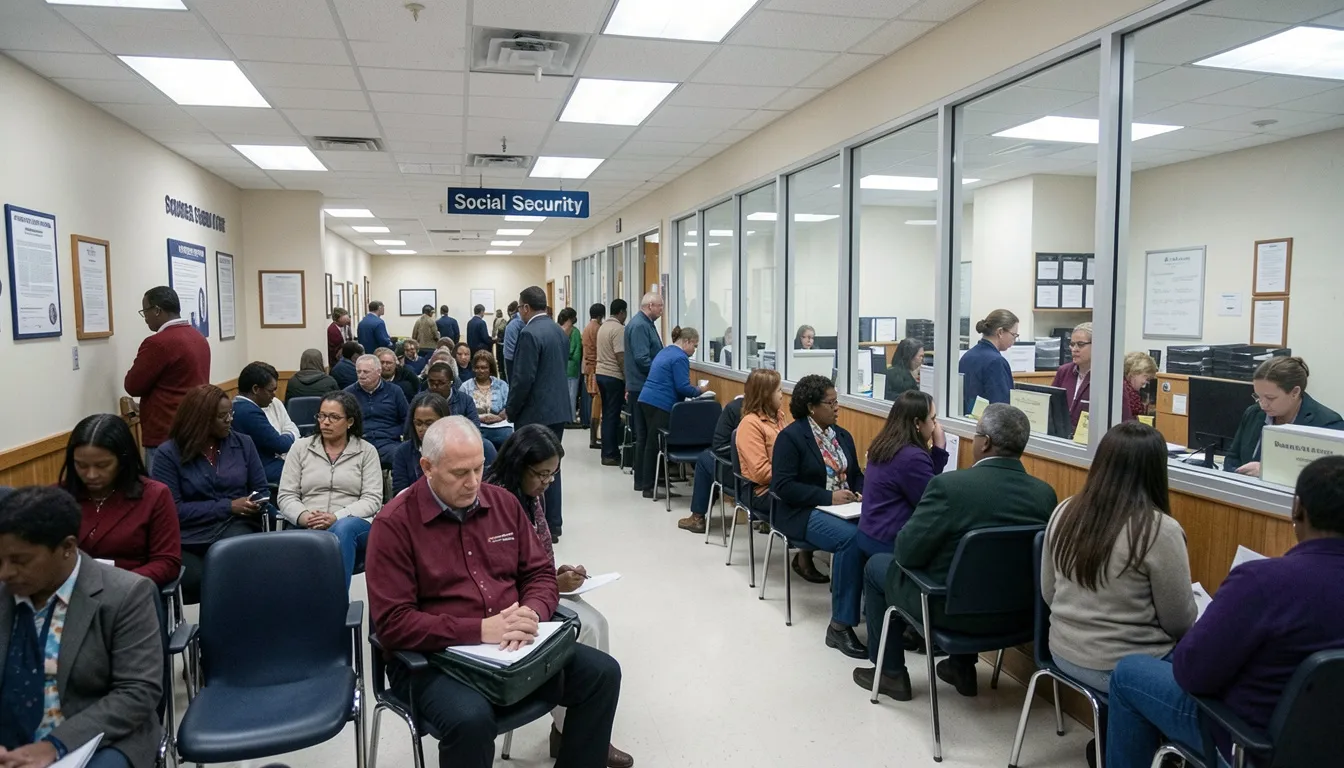
Standing in line at a social security office can feel overwhelming. You grab a number, you wait, and you hope you brought the right papers. I remember helping my uncle prepare for his first visit, and we almost forgot his proof of identity. That small mistake could have cost him another trip.
A social security office is more than just a government building. It is where life changing decisions happen, from retirement benefits to disability claims. Millions of people walk through these doors every year, and most leave with answers to questions that matter deeply to their financial future.
This article walks you through everything you need to know. You will learn what a social security office actually does, the benefits it offers, the risks you should watch for, and how the process works from start to finish. We will also cover real examples, expert tips, and common mistakes people make. By the end, you will feel confident and prepared for your own visit.
What Is a Social Security Office
A social security office is a local branch where you handle anything related to your social security benefits. Think of it as your direct connection to the federal program that supports retirees, disabled workers, and families who have lost a loved one.
You can visit a social security office for many reasons. Some common ones include:
- Applying for retirement benefits
- Requesting a new or replacement social security card
- Reporting a change in income or address
- Appealing a denied disability claim
- Asking questions about Medicare enrollment
Each office is staffed with trained representatives who can pull up your records and explain your options. They are not there to confuse you. They are there to help you understand a system that, let us be honest, can feel complicated at first glance.
Why People Rely on the Social Security Office
The social security office exists because life brings change. You retire. You get injured. You lose a spouse. In each of these moments, you need a place that can verify your identity, process your paperwork, and explain what comes next.
I have noticed that many people underestimate how often they will need this office throughout their life. It is not just for retirees. Young workers visit to get their first social security card. Parents visit to add a newborn to family records. Even business owners interact with the system when reporting employee wages.
Benefits of Visiting a Social Security Office
Visiting in person comes with real advantages, even in a digital age where so much can be done online.
Direct Human Support
Sometimes a phone call or website cannot answer a tricky question. Sitting across from a real person allows you to explain your unique situation. The representative can review your file on the spot and guide you step by step.
Faster Resolution for Complex Cases
If your case involves multiple issues, such as a name change combined with a benefits update, an in person visit often resolves things faster than waiting on hold or mailing documents back and forth.
Document Verification on the Spot
You can hand over your original documents and have them verified immediately. This reduces the risk of losing important papers in the mail.
Peace of Mind
There is something reassuring about leaving an office with a stamped receipt or confirmation number. You know your request is officially in the system.
Access to Specialized Help
Some offices have specialists for disability claims or survivor benefits. These staff members understand the nuances of complicated cases better than a general phone representative might.
Risks to Keep in Mind
Every system has its downsides, and the social security office is no exception. Knowing the risks ahead of time helps you avoid frustration.
Long Wait Times
This is the most common complaint. Some offices see hundreds of visitors a day, and wait times can stretch past an hour. Arriving early in the morning often helps.
Limited Walk In Availability
Many locations now require appointments for certain services. Showing up without one can mean getting turned away or facing an even longer wait.
Risk of Identity Theft
You are sharing sensitive personal information. Always confirm you are speaking with an official representative and never hand over documents to anyone outside the secure office area.
Inconsistent Information
Occasionally, different representatives may give slightly different answers to the same question. If something feels unclear, ask for clarification in writing or request a supervisor.
Travel Burden for Rural Residents
Not everyone lives near a social security office. Some people drive over an hour just to reach the nearest location, which adds stress to an already important appointment.
How the Social Security Office Process Works
Understanding the process in advance saves you time and reduces anxiety. Here is a simple breakdown.
Step 1: Determine Your Need
Decide exactly why you need to visit. Is it for retirement benefits, a card replacement, or a disability claim? Knowing this helps you gather the right paperwork.
Step 2: Schedule an Appointment
Call ahead or check online to see if your local social security office requires an appointment. Many do now, especially for detailed matters like benefit applications.
Step 3: Gather Required Documents
Bring original copies or certified copies of documents such as:
- Birth certificate
- Social security card
- Proof of citizenship or immigration status
- Government issued photo identification
- Marriage or divorce certificates if applicable
Step 4: Arrive Early
Get there at least fifteen minutes before your scheduled time. If you do not have an appointment, arriving right when the office opens reduces your wait.
Step 5: Check In and Wait
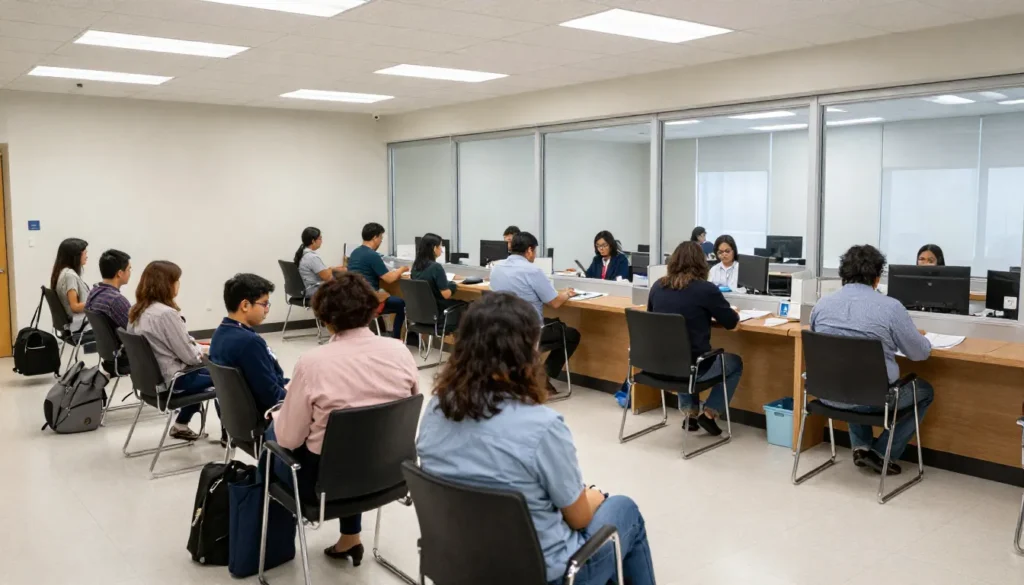
You will check in at a kiosk or front desk. A number is assigned, and you wait for it to be called.
Step 6: Meet With a Representative
This is where the actual work happens. The representative reviews your documents, asks questions, and processes your request.
Step 7: Receive Confirmation
Before leaving, make sure you get a receipt or written confirmation of what was submitted. This protects you if there is ever a dispute later.
Real Examples of Social Security Office Visits
Let me share a few scenarios that show how different needs play out in real life.
Example 1: Retirement Application
A woman named Linda turned sixty two and wanted to start her benefits. She visited her local social security office with her birth certificate and bank account details for direct deposit. Her application was processed within thirty minutes once she reached the front of the line.
Example 2: Disability Claim Appeal
A man named Robert was denied disability benefits after his first application. He returned to the social security office with updated medical records and a letter from his doctor. The specialist helped him file an appeal correctly, which improved his chances significantly.
Example 3: Replacing a Lost Card
A college student lost her social security card while moving apartments. She visited the office with her driver’s license and a copy of her lease. Within a week, a replacement card arrived at her new address.
These examples show that the social security office handles a wide range of situations, each with its own steps and requirements.
Expert Tips for a Smooth Visit
I have gathered some practical advice that experts and frequent visitors often recommend.
- Call before you go. A quick phone call confirms whether you need an appointment and what documents to bring.
- Make copies of everything. Keep duplicates of your documents at home in case originals are misplaced.
- Visit early in the week. Mondays and days right after holidays tend to be busiest. Tuesdays through Thursdays are usually calmer.
- Bring entertainment for long waits. A book or podcast makes the time pass more comfortably.
- Write down your questions beforehand. It is easy to forget what you wanted to ask once you are nervous or rushed.
- Use the online portal first. Some tasks, like checking your benefit statement, do not require a visit at all.
- Ask for a receipt every single time. This is your proof that you completed the necessary steps.
These tips come from real patterns I have noticed and from common advice shared by people who interact with the social security office regularly.
Common Mistakes to Avoid
Even well prepared people make mistakes. Here are the most frequent ones.
Forgetting Original Documents
Photocopies are often not accepted for identity verification. Always bring the original or a certified copy.
Arriving Without an Appointment
Many offices now prioritize scheduled visits. Walking in without one can mean wasted time.
Not Updating Personal Information in Advance
If you moved or changed your name, update this before your visit whenever possible to avoid extra steps.
Ignoring Follow Up Letters
The social security office often sends follow up mail requesting more information. Ignoring these letters can delay your benefits significantly.
Assuming All Offices Have the Same Rules
Hours, appointment policies, and even specific services can vary by location. Always check your specific office’s website or call ahead.
Not Asking Questions
Some people leave the office confused but too embarrassed to ask for clarification. There is no such thing as a silly question when your benefits are on the line.
Frequently Asked Questions
What documents do I need to bring to a social security office?
You typically need a government issued photo ID, your social security card, and any supporting documents related to your specific request, such as a birth certificate or marriage certificate.
Do I need an appointment to visit a social security office?
Many offices now require appointments for detailed services like benefit applications. Simple tasks like picking up a replacement card may still allow walk ins, but it is best to call first.
How long does it take to process a request at a social security office?
Simple requests can take thirty minutes or less. Complex cases, such as disability claims, may take weeks or months to fully process after your initial visit.
Can I handle social security matters without visiting an office?
Yes. Many tasks can be completed online or by phone, including checking your benefit statement or updating your address. However, some situations still require an in person visit.
What happens if I lose my social security card?
You can visit your local social security office to request a replacement. Bring proof of identity, and in some cases, you may also be able to request a replacement online.
Is there a fee to visit a social security office?
No. All services provided at a social security office are free of charge.
What should I do if I disagree with a decision made by the social security office?
You have the right to appeal. The office can guide you through the appeal process, which usually involves submitting additional documentation or evidence.
Can someone else visit the social security office on my behalf?
In certain situations, a representative or family member can assist you, but they often need proper authorization documents to act on your behalf.
Final Thoughts
Visiting a social security office does not have to feel intimidating. When you understand the benefits, prepare for the risks, and know exactly how the process works, your visit becomes much smoother. From retirement applications to lost card replacements, this office plays an important role in protecting your financial security throughout life.
Take a moment today to check if your nearest social security office requires an appointment. A little preparation now can save you a lot of stress later. If this guide helped you feel more confident, consider sharing it with someone who might be nervous about their own upcoming visit.
Also Read In usafruitbat.com
Email: johanharwen314@gmail.com
Author Name: Hamid Ali
About the Author: Hamid Ali is a content writer who focuses on government services, personal finance, and practical life guidance. He enjoys breaking down complicated processes into simple steps that everyday readers can actually use. When he is not writing, Hamid spends time researching ways to make bureaucratic systems easier for ordinary people to navigate.