Introduction
An unexpected illness, injury, or medical procedure can interrupt your ability to work and earn a regular income. Even a temporary absence from your job can create financial pressure when rent, household bills, loan payments, and everyday expenses continue. This is where short term disability insurance can provide valuable financial support during a difficult recovery period.
Whether you work for an employer, run a small business, or earn money independently, understanding your disability coverage is important. These policies are designed to replace part of your income when a qualifying medical condition prevents you from working temporarily. Learning how coverage works, who qualifies, and what benefits are available can help you make better financial decisions and prepare for unexpected situations.
What Is Short Term Disability Insurance?
Short term disability insurance is a type of income protection that provides financial benefits when an illness, injury, or qualifying medical condition temporarily prevents you from performing your job. Instead of receiving your regular salary, you may receive a percentage of your covered earnings during an approved disability period.
The primary purpose of short term disability insurance is to help individuals manage everyday expenses while recovering. Depending on the policy, coverage may last several weeks or months. Benefits, waiting periods, eligibility requirements, and payment limits vary between insurance companies and employer-sponsored plans, so reviewing the policy details is essential.
sourecs: guardianlife.com
How Does Short Term Disability Insurance Work?
The process generally begins when you purchase an individual policy or enroll in an employer-sponsored benefits program. If you experience a qualifying disability, you notify the insurance provider and submit a claim with supporting medical information. The insurer reviews your application to determine whether your condition meets the policy requirements.
Once your claim is approved and any required waiting period has passed, you may begin receiving benefit payments. These payments typically replace a portion of your regular earnings rather than your entire salary. Short term disability insurance can therefore help you maintain financial stability while focusing on treatment, recovery, and returning to work.
What Does Short Term Disability Insurance Cover?
Coverage depends on the insurance provider and specific policy terms. However, many plans include qualifying medical conditions that temporarily prevent employees from completing their regular work responsibilities. These may include serious illnesses, physical injuries, hospitalization, surgeries, and certain pregnancy-related medical conditions.
Some policies also provide benefits during recovery from medical procedures or complications that require time away from work. However, not every health condition automatically qualifies. Pre-existing conditions, exclusions, and medical documentation requirements can affect approval. Always review your policy to understand which situations are covered and which may be excluded.
Types of Short Term Disability Insurance
- Employer-sponsored insurance: Some companies offer disability coverage as part of their employee benefits packages. Premiums may be paid by the employer, employee, or both.
- Private short term disability insurance: Individuals can purchase coverage directly from an insurance company. These policies may provide additional flexibility in choosing benefit amounts and coverage periods.
- Individual disability insurance: This option allows eligible professionals and self-employed workers to obtain personal income protection outside a traditional workplace benefits program.
- Government disability programs: Certain states provide disability benefits through government-administered programs. Eligibility and payment rules depend on local regulations.
Short Term Disability Insurance Benefits and Payment Limits
One of the biggest advantages of disability coverage is the financial assistance it can provide during temporary unemployment caused by a qualifying medical condition. Depending on the policy, benefits may replace approximately 40% to 70% of eligible earnings, although actual percentages and maximum payments vary.
For example, imagine you earn $4,000 per month and your policy replaces 60% of your covered income. You could receive approximately $2,400 per month after meeting the applicable waiting period and satisfying claim requirements. Short term disability insurance can help cover essential expenses, but you should also consider payment limits, taxes, and other policy restrictions.
Short Term Disability Insurance Eligibility Requirements
Eligibility requirements vary depending on whether you receive coverage through an employer or purchase an individual policy. Employer-sponsored programs may require you to work a minimum number of hours, complete an enrollment period, or satisfy other workplace conditions. Private insurers may evaluate your income, occupation, medical history, and other underwriting factors.
You may also need medical documentation confirming that your condition prevents you from performing your job. Short term disability insurance generally requires evidence of a qualifying temporary disability rather than simply having a medical diagnosis. Understanding these requirements before applying can help prevent unnecessary delays or unexpected claim denials.
California State Disability Insurance: Rules and Benefits
California State Disability Insurance, commonly called California SDI, is a state-administered program that provides eligible workers with partial wage replacement when they cannot work because of qualifying non-work-related illnesses, injuries, or pregnancy. The Employment Development Department manages the program and establishes its contribution, eligibility, and benefit rules.
Unlike private insurance, California SDI is funded through employee payroll contributions under state law. Eligible workers generally submit an application with supporting medical certification to request benefits. California State Disability Insurance and private short term disability insurance may have different requirements and payment structures, so employees should understand how their workplace benefits coordinate with available state coverage.
Guardian Disability Insurance and Other Providers
Guardian disability insurance is one example of coverage offered by an established insurance provider. When researching disability protection, it is important to compare available policies rather than choosing a company based only on its reputation. Different insurers may offer different benefit structures, eligibility requirements, exclusions, and claim procedures.
Before selecting a provider, consider the monthly premium, potential benefit amount, waiting period, payment duration, and policy limitations. You should also review the available customer support and claims process. Comparing Guardian disability insurance with other private insurance options can help you identify coverage that better matches your income and financial responsibilities.
Short Term vs. Long-Term Disability Insurance
Both types of disability coverage protect income, but they serve different purposes. Short term disability insurance is intended for temporary medical conditions that prevent someone from working for a limited period. Long-term disability insurance is designed for more extended disabilities that may continue for months or years.
| Feature | Short-Term Disability | Long-Term Disability |
|---|---|---|
| Main purpose | Temporary income protection | Extended income protection |
| Waiting period | Usually shorter | Usually longer |
| Benefit duration | Weeks or months | Months or years |
| Common situations | Surgery, injury, illness | Serious or prolonged disability |
| Payment structure | Partial income replacement | Partial income replacement |
Having both types of coverage may provide more comprehensive financial protection. Some people use short-term benefits during the initial recovery period before long-term coverage becomes available, depending on the policies they hold.
Private Disability Insurance vs. Government Disability Benefits
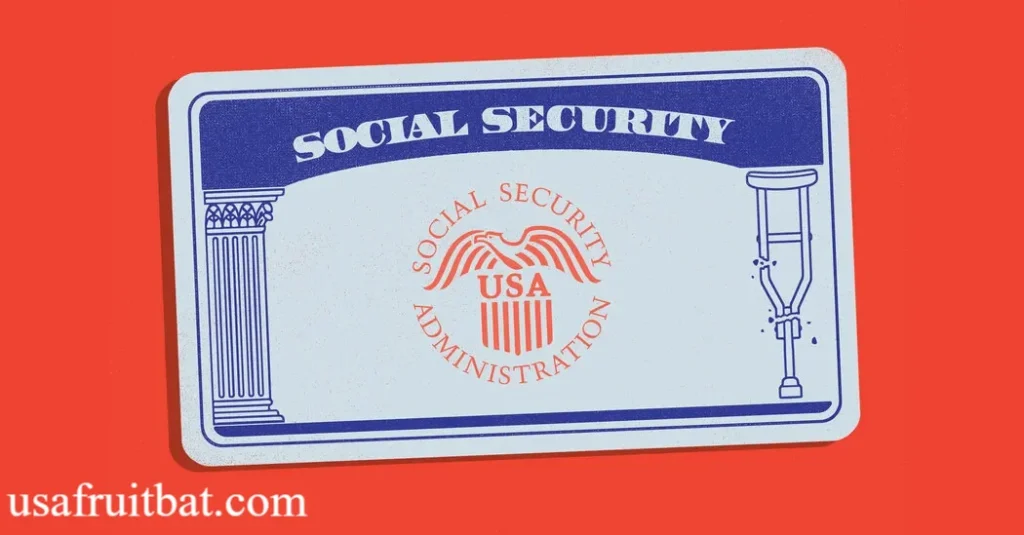
Private disability insurance and government disability programs provide financial assistance under different rules. Private policies are purchased individually or provided through employers, while government programs operate under specific state or federal eligibility requirements. Their payment amounts, qualifying conditions, and application procedures are not necessarily the same.
For example, Social Security Disability Insurance (SSDI) generally focuses on disabilities expected to last at least 12 months or result in death. This makes it different from short-term coverage, which addresses temporary work interruptions. Some individuals may qualify for multiple programs, but coordination rules and policy provisions can affect their total benefits.
How to Choose the Best Short Term Disability Insurance Policy
Choosing suitable coverage requires more than comparing monthly premiums. You should first estimate your essential expenses, including housing, groceries, utilities, transportation, and debt payments. This calculation helps you understand how much income replacement you may need if an unexpected medical condition prevents you from working.
Next, compare policies from multiple providers and carefully review their benefit limits, waiting periods, exclusions, and payment durations. Short term disability insurance should match your financial responsibilities and employment situation. Also check whether your employer already provides coverage, as an existing benefits package may reduce the need for additional insurance.
How to File a Short Term Disability Insurance Claim
Filing a disability claim generally requires notifying your insurance company or employer’s benefits department as soon as possible. You will usually need to complete an application explaining your medical condition, the date you stopped working, and how the disability affects your job responsibilities.
The insurer may request medical records, a physician’s statement, employment details, and income verification. Short term disability insurance claims are reviewed according to the policy’s requirements, and incomplete documentation can cause delays. If a claim is denied, read the explanation carefully, collect supporting evidence, and follow the insurer’s appeal procedure.
Common Short Term Disability Insurance Mistakes to Avoid
Many people purchase coverage without fully understanding the policy. This can create problems when they need financial assistance. Reviewing the conditions, exclusions, and benefit limitations before enrollment can help you avoid unpleasant surprises.
- Ignoring waiting periods before benefits begin.
- Assuming every illness or injury qualifies.
- Selecting a benefit amount that is too low.
- Overlooking pre-existing condition restrictions.
- Failing to submit complete medical documentation.
- Confusing temporary disability coverage with SSDI.
- Waiting until an illness occurs before exploring available policies.
Conclusion
Short term disability insurance can provide important financial support when a qualifying illness, injury, or medical condition temporarily prevents you from working. By replacing part of your income, it can help you manage essential expenses while concentrating on your recovery. However, coverage amounts, eligibility requirements, waiting periods, and exclusions differ between providers.
Before choosing a policy, compare employer-sponsored benefits, private coverage, and applicable government programs. Review the terms carefully and consider how much income your household would need during an unexpected absence from work. A well-informed decision can help you build a stronger financial safety net and prepare for life’s uncertainties.
Frequently Asked Questions
What is short term disability insurance?
It is income protection that pays eligible benefits when a qualifying illness, injury, or medical condition temporarily prevents you from working.
How much does short term disability insurance pay?
Many policies replace approximately 40% to 70% of eligible earnings, subject to policy limits and conditions.
How long does short term disability insurance last?
Coverage commonly lasts several weeks or months, depending on the policy’s maximum benefit period.
Does short term disability insurance cover pregnancy?
Many policies cover qualifying pregnancy-related disabilities, childbirth, and medical complications, subject to their specific terms.
Can I buy private short term disability insurance?
Yes. Eligible individuals can purchase private coverage directly from insurance providers without relying entirely on employer-sponsored benefits.
What is the difference between short-term and long-term disability insurance?
Short-term coverage protects income during temporary disabilities, while long-term coverage addresses disabilities that prevent someone from working for extended periods.
Who qualifies for California State Disability Insurance?
Eligible California workers who meet state contribution and other program requirements may qualify for partial wage replacement.
Can I receive short term disability and Social Security disability benefits?
Possibly, but eligibility and coordination rules differ. SSDI generally requires a disability expected to last at least 12 months or result in death.
What should I do if my disability insurance claim is denied?
Review the denial letter, gather supporting medical documents, and follow the insurer’s appeal process. Consider consulting a disability insurance attorney if necessary.
Also Read