
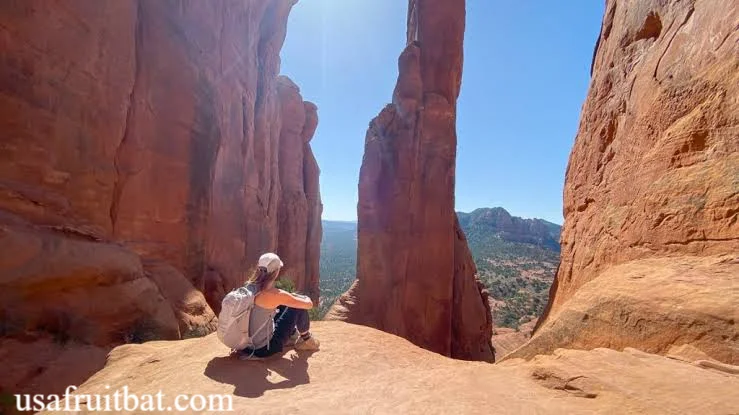
Sedona, Arizona, is famous for its towering red rock formations, winding desert trails, and spiritual traditions that attract visitors from around the world. For hikers, it offers more than beautiful scenery. Many travelers visit to explore places believed to have special energy, enjoy peaceful moments in nature, and discover the area’s unique landscape. Whether you love outdoor adventures or want a quieter experience, Sedona has trails worth exploring.
The best Sedona vortex hikes combine spectacular views with opportunities for reflection and discovery. Cathedral Rock, Bell Rock, Boynton Canyon, and Airport Mesa are among the best-known locations associated with vortex traditions. Some visitors come for meditation and spiritual exploration, while others simply enjoy the scenery and fresh air. This guide explains the meaning of Sedona’s vortexes, highlights popular hiking routes, and shares practical tips to help you plan a memorable visit.
What Is a Sedona Vortex?
A Sedona vortex is a place believed by some people to contain concentrated spiritual or energetic qualities. Visitors often associate these locations with meditation, emotional balance, personal reflection, and a stronger connection with nature. The idea has become an important part of Sedona’s wellness tourism, attracting hikers, yoga enthusiasts, and travelers interested in spiritual traditions. However, interpretations vary, and there is no scientifically established evidence that these sites contain unusual energy fields.
The meaning of a vortex often depends on an individual’s beliefs and experience. Some visitors describe feeling calm, inspired, or more mindful when spending time among the red rocks. Others appreciate the locations primarily for their scenery and peaceful atmosphere. You do not need to accept spiritual explanations to enjoy these places. Approaching them with curiosity, respecting the environment, and allowing yourself time to appreciate the surroundings can make a visit rewarding.
sourecs: sedonatourbase.com
Best Sedona Vortex Hikes to Explore
Sedona offers several trails associated with vortex traditions, ranging from accessible walks to challenging climbs over uneven sandstone. Cathedral Rock, Bell Rock, Boynton Canyon, and Airport Mesa are frequently mentioned among the area’s best-known vortex locations. Each destination provides a different experience, so choosing the right route depends on your fitness level, available time, and preferred scenery. Some trails emphasize panoramic views, while others offer quieter settings for walking and reflection.
Before choosing a trail, consider its elevation gain, surface conditions, exposure to sunlight, and distance from parking areas. A short trail can still be physically demanding if it involves steep rock scrambling. Use the following comparison as a starting point, then verify current conditions through official trail resources before leaving.
| Vortex location | Main attraction | General hiking considerations |
|---|---|---|
| Cathedral Rock | Dramatic sandstone formations and sweeping views | Steep sections and challenging footing |
| Bell Rock | Distinctive red rock scenery and flexible route options | Choose a route appropriate for your ability |
| Boynton Canyon | Canyon scenery, desert vegetation, and quieter surroundings | Plan for a longer outing if exploring beyond the main trail |
| Airport Mesa | Elevated viewpoints and sunset scenery | Exposed areas and limited parking at busy times |
| Courthouse Butte area | Open desert views and distinctive rock formations | Check route length and trail conditions |
Cathedral Rock Sedona Vort
Cathedral Rock is one of Sedona’s most recognizable natural landmarks and a popular destination for visitors interested in vortex traditions. Its towering sandstone formations create a dramatic backdrop for hiking, photography, and quiet reflection. The trail climbs toward elevated viewpoints, rewarding prepared hikers with impressive views across the surrounding red rock landscape. Many visitors associate the area with spiritual energy, making it a frequent stop on guided wellness walks and independent hiking trips.
The route is relatively short compared with many regional hikes, but its steep sections can make it physically demanding. Some portions require careful footing on smooth rock, so sturdy hiking shoes and a sensible approach are essential. Carry sufficient water, avoid exposed sections during dangerous weather, and turn back if the terrain exceeds your ability. If you prefer a gentler visit, enjoy the views from accessible surrounding areas instead of attempting the steepest sections.
Bell Rock Sedona Vortex
Bell Rock is another famous destination for travelers exploring Sedona’s spiritual landscape. Its rounded, bell-like shape stands out against the desert surroundings, creating excellent opportunities for sightseeing and photography. Visitors interested in the Bell Rock vortex often spend time walking nearby trails, meditating, or simply appreciating the scenery. The area offers different route choices, making it a useful option for travelers who want to experience the red rocks without committing to one demanding summit climb.
Choose your route according to your fitness level and comfort with uneven terrain. Lower paths can provide rewarding views without requiring a difficult ascent, while climbing higher on the formation involves more challenging footing. Avoid scrambling onto exposed rock unless you are prepared for the conditions and confident in your abilities. Visiting earlier in the day can also help you avoid intense heat and busy trailheads, particularly during popular travel seasons.
Boynton Canyon and Its Spiritual Landscape
Boynton Canyon combines towering red rock walls, desert vegetation, and a quieter atmosphere that appeals to many nature lovers. It is commonly associated with Sedona’s vortex traditions, including the Kachina Woman formation, which has significance in local spiritual storytelling. Hikers can enjoy the surrounding landscape while learning about the area’s cultural context. The canyon is especially appealing to visitors who prefer a scenic walk through varied terrain rather than focusing exclusively on climbing a prominent rock formation.
Plan your visit around the distance you intend to cover, the available daylight, and current trail conditions. Some routes through the area require a longer commitment than a quick viewpoint stop, so bring water, sun protection, and appropriate footwear. Treat culturally significant places with care, remain on established trails, and avoid disturbing vegetation or wildlife. If you join a guided walk, choose someone who explains local traditions respectfully and distinguishes cultural beliefs from scientifically verified information.
Other Vortex Locations and Scenic Trails
Airport Mesa is popular for its elevated views of Sedona’s red rock formations, especially around sunrise and sunset. Visitors can explore the surrounding trails or enjoy a viewpoint without undertaking a long hike. The Chapel of the Holy Cross area is another well-known stop for sightseeing, although visitors should distinguish the chapel itself from nearby hiking routes and follow its access rules. Courthouse Butte also offers impressive desert scenery and opportunities to explore established paths in the surrounding area.
The landscape includes twisted trees, weathered sandstone, desert shrubs, and striking geological formations. Some visitors refer to unusual tree shapes as vortex trees, but these appearances are natural features and do not scientifically demonstrate the presence of special energy. Respect the environment by avoiding tree damage, leaving rocks and plants undisturbed, and carrying out all rubbish. Exploring several viewpoints can give you a broader appreciation of Sedona without requiring every stop to involve a strenuous climb.
Sedona Vortex Tours vs. Independent Hiking
A guided Sedona vortex tour can be a good choice if you want to learn about local stories, visit several locations, or combine walking with meditation. Depending on the provider, tours may include explanations of vortex traditions, mindfulness activities, photography stops, or gentle yoga. A knowledgeable guide can also help you understand trail etiquette and local history. Before booking, check the route, duration, group size, walking difficulty, transportation arrangements, and cancellation policy.
Independent hiking offers greater flexibility and may cost less, especially if you already know the area and have suitable navigation tools. You can spend longer at a favorite viewpoint or choose a route that matches your interests. However, you must research access restrictions, parking, weather, and trail difficulty yourself. Compare tour options carefully, and avoid providers who promise guaranteed healing or supernatural results. A responsible experience should support personal exploration without making unsupported claims.
What to Expect During a Vortex Experience
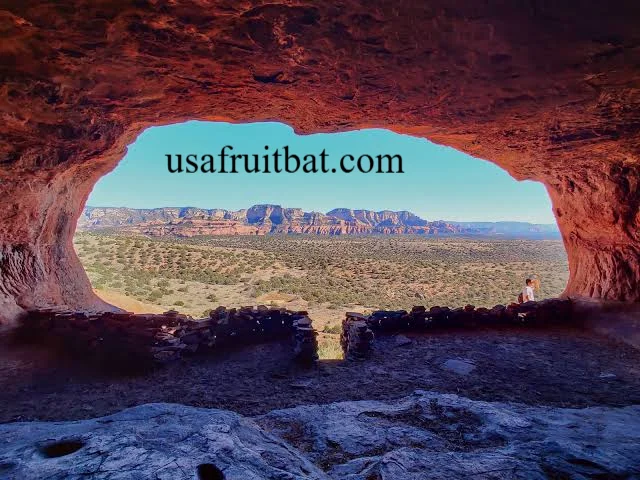
A vortex experience can be as simple as sitting quietly among the red rocks, noticing the surrounding sounds, or walking a trail at a comfortable pace. Some visitors practice meditation, breathing exercises, yoga, or journaling, while others prefer photography and sightseeing. There is no single correct way to experience these places. You may feel relaxed or inspired, but you might not notice anything unusual, and that is perfectly normal.
Your experience can be shaped by expectations, weather, physical effort, and the atmosphere of the location. Rather than searching for a particular sensation, give yourself time to enjoy the natural environment. Find a safe place away from the main trail to pause, remain considerate of other hikers, and avoid blocking viewpoints. Spiritual interpretations can be personally meaningful, but they should not be confused with established scientific findings or used as a substitute for professional medical care.
Sedona Vortex Retreats and Wellness Activities
Sedona vortex retreats often combine time outdoors with activities such as guided meditation, yoga, mindful walking, or personal reflection. Some programs include several days of scheduled sessions, accommodation, and group activities, while others offer shorter experiences. These retreats may appeal to travelers seeking a structured wellness getaway or a slower alternative to a busy sightseeing itinerary. The quality and format vary, so review the details rather than assuming every retreat offers the same services.
Before reserving a retreat, compare prices, inclusions, instructor qualifications, accessibility, and cancellation terms. Ask whether transportation, meals, equipment, and guided hikes are included in the advertised rate. Consider whether the schedule allows adequate rest and whether activities match your fitness level and personal preferences. Choose a provider that communicates clearly and respects individual boundaries. A worthwhile retreat should set realistic expectations and allow you to participate comfortably without pressuring you to accept specific spiritual beliefs.
Best Time to Visit for Hiking
Spring and autumn are popular seasons for exploring Sedona because daytime temperatures are often more comfortable than during the hottest part of summer. These periods can also bring larger crowds, particularly on weekends and holidays. Winter offers opportunities for quieter visits, although cold conditions, ice, or occasional snow can affect trail safety. Summer hikes require particular caution because high temperatures and direct sunlight can increase the risk of dehydration and heat-related illness.
Early starts are often useful for avoiding peak heat and finding parking at busy trailheads. Sunrise and sunset can provide beautiful lighting, but allow enough time to complete your hike before darkness and carry a reliable light if needed. Check the local forecast and trail notices before departure, and change your plans if conditions become unsafe. There is no need to complete every planned stop; a shorter, comfortable outing is better than pushing beyond your limits.
Essential Hiking Tips for a Safe Visit
Desert hiking requires preparation even when a trail appears short or easy. Carry enough water for your route and conditions, use sunscreen, wear a hat, and choose footwear with reliable traction. Bring snacks, a charged phone, and an offline map or other navigation aid. Let someone know your plans if you are hiking alone, and avoid relying entirely on mobile reception, which may be limited in some parts of the landscape.
Follow these practical guidelines before setting out:
- Check weather forecasts, trail closures, and access rules.
- Start early during hot weather and take breaks when needed.
- Stay on established paths and avoid risky sandstone scrambles.
- Keep a respectful distance from wildlife and never feed animals.
- Carry out rubbish and leave plants, rocks, and natural features undisturbed.
- Respect other visitors who are meditating, photographing, or enjoying the quiet.
Preparation helps you focus on the scenery instead of preventable problems. If you experience signs of heat illness, severe dizziness, confusion, or unusual weakness, stop your activity, seek shade, and get appropriate emergency assistance. Always prioritize safety over reaching a viewpoint or completing a planned route.
Planning Your Hiking Itinerary
A half-day visit works well if you want to explore one main destination without rushing. You could choose Bell Rock for flexible trail options or Cathedral Rock if you are prepared for a steeper climb. Spend time enjoying the views, take breaks as needed, and leave enough time to return before sunset. Checking parking arrangements and access information in advance can make your visit smoother, particularly at popular trailheads.
For a full day, choose two or three nearby stops that suit your abilities rather than attempting every famous location. For example, you might visit a trail in the morning, take a lunch break, and finish with a scenic viewpoint later in the day. Allow time for driving, parking, and changing conditions, and avoid scheduling a difficult hike immediately before sunset. If you prefer gentler activities, combine accessible viewpoints with short walks and time to appreciate the landscape.
Conclusion
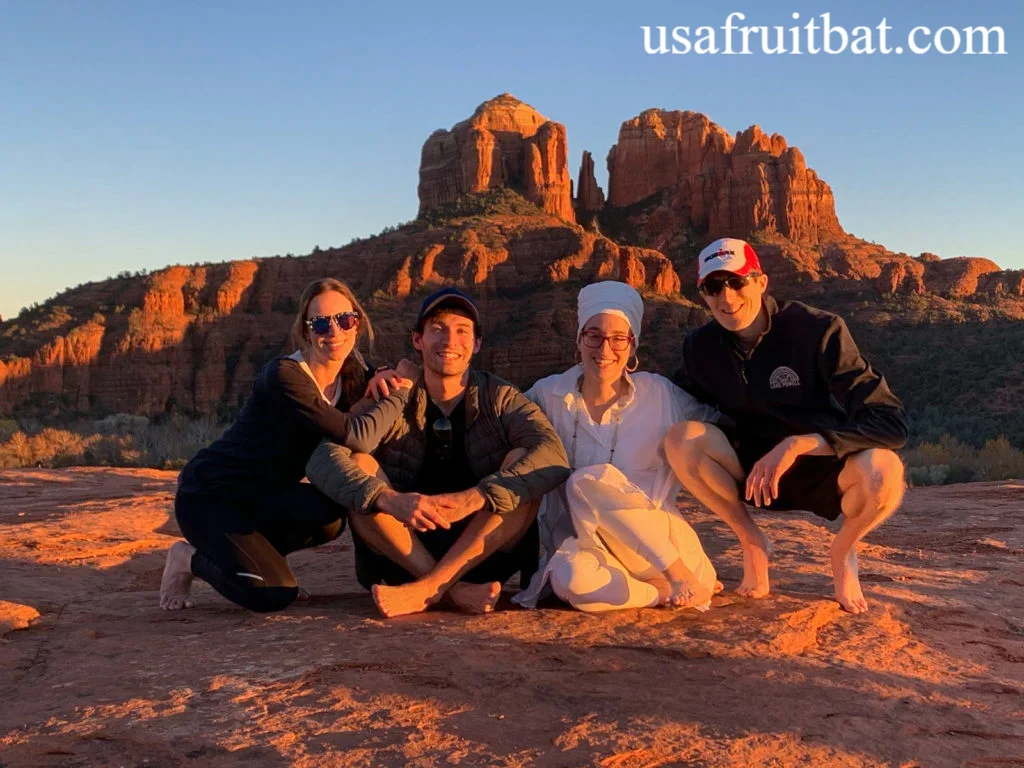
Sedona offers a memorable combination of outdoor adventure, dramatic red rock scenery, and spiritual traditions. From Cathedral Rock’s challenging ascent to Bell Rock’s flexible trails and Boynton Canyon’s peaceful surroundings, there are options for many interests and fitness levels. The best Sedona vortex hikes are those that suit your abilities, give you time to appreciate the landscape, and allow you to explore comfortably without rushing from one attraction to another.
Whether you choose a guided tour, a wellness retreat, or an independent walk, prepare for desert conditions and respect the natural environment. Approach vortex traditions with curiosity while keeping realistic expectations about their spiritual and scientific interpretations. With thoughtful planning, suitable equipment, and a flexible itinerary, you can enjoy Sedona’s distinctive scenery and create an outdoor experience that feels rewarding in your own way.
Frequently Asked Questions
What is a Sedona vortex?
A Sedona vortex is a location believed by some visitors to have special spiritual energy associated with meditation, reflection, and personal well-being.
Where are the best Sedona vortex hikes?
Cathedral Rock, Bell Rock, Boynton Canyon, and Airport Mesa are among the most popular hiking destinations associated with vortex traditions.
Is Cathedral Rock difficult to hike?
Yes, some sections are steep and require careful footing, making the trail more challenging than many shorter walks in the area.
Is Bell Rock suitable for beginners?
Bell Rock has several route options, including easier paths near its base, although terrain and difficulty vary depending on how far you climb.
What does a Sedona vortex feel like?
Experiences vary, with some visitors reporting calmness or inspiration while others simply enjoy the scenery without noticing any unusual sensations.
Can you explore Sedona vortex sites without a guide?
Yes, many locations can be visited independently, provided you follow trail rules, check access restrictions, and prepare for local conditions.
When is the best time to visit Sedona for hiking?
Spring and autumn often offer comfortable hiking weather, while early starts are particularly helpful during hot summer months.
Are Sedona vortex experiences scientifically proven?
No scientific evidence establishes that Sedona’s vortex sites possess unusual spiritual energy, although visitors may find personal meaning in these locations.
Also Read