
Introduction
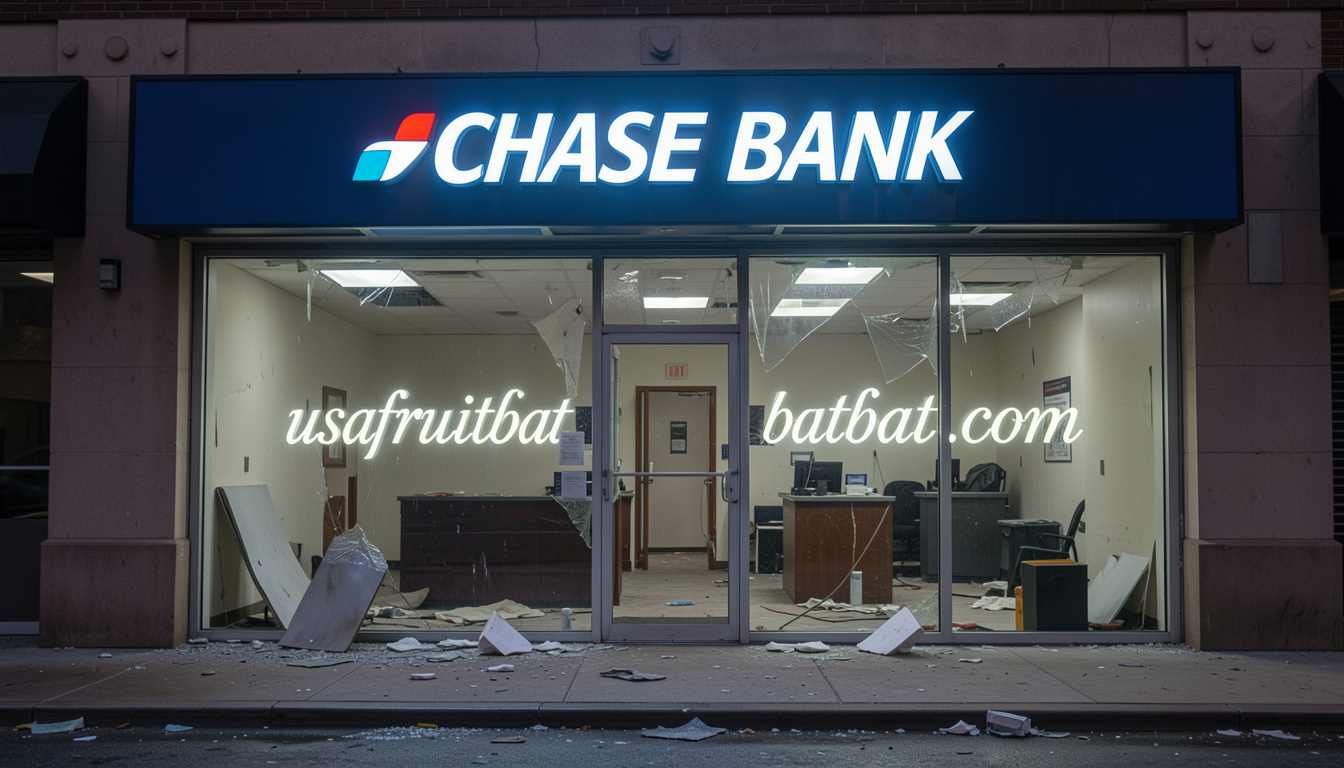
If you have driven past your usual Chase branch lately and found the doors locked, you are not alone. Chase Bank branch closures have become a hot topic in 2026, leaving many longtime customers confused and a little worried. One day your branch is open, and the next day there is a sign directing you somewhere else entirely.
I get it. Banking feels personal, especially if you have walked into the same branch for years. So let us break down exactly what is happening, why it is happening, and what you should do if your local branch is one of the ones affected.
This article covers everything you need to know about Chase Bank branch closures, including the latest 2026 updates, the states most affected, how to find a nearby branch, and what happens to your account when a location shuts down.
What Are Chase Bank Branch Closures?
Chase Bank branch closures happen when JPMorgan Chase permanently shuts down a physical banking location. Sometimes this means the branch closes for good. Other times it means the branch is being relocated or merged with a nearby location. Either way, customers lose access to that specific building, though their accounts and services remain fully active.
These closures are officially reported to the Office of the Comptroller of the Currency, or OCC, which regulates national banks. Chase must file a formal notice before shutting down any branch, giving both regulators and customers a heads up.
Why Is Chase Closing Some Branches?
Chase is not struggling financially. Far from it. The bank remains one of the strongest in the country. So why close branches at all?
The honest answer comes down to changing habits. Fewer people walk into a bank these days. Most of us check balances, deposit checks, and transfer money right from our phones. A Chase spokesperson explained that branch closures often reflect overlap between nearby locations or simply low foot traffic in a specific area.
Here are the main reasons behind Chase Bank branch closures:
- Declining in person visits as digital banking grows
- Overlapping branches sitting too close to one another
- Aging buildings that are costly to maintain
- A strategic shift toward fewer, stronger branches instead of many smaller ones
Latest Chase Branch Closures in 2026
Since March 1, 2026, Chase has submitted 16 branch closure notifications to the OCC. That might sound alarming, but it is worth putting into context. Chase still operates over 5,000 branches nationwide, making it the largest branch network in the United States.
A Chase spokesperson clarified that most of these listed branches are either relocations or consolidations, not a full retreat from those markets. In most cases, another Chase location sits within two miles of the closed site.
States and Cities Affected by Branch Closures
The current wave of Chase Bank branch closures spans several states. According to filings and news reports, the affected states include:
- California
- Wisconsin
- Washington
- Texas
- Oklahoma
- Ohio
- Florida
- Illinois
If you bank in one of these states, it is worth checking whether your specific branch is on the list. Closures tend to cluster in areas where Chase already has multiple locations nearby.
Complete List of Recently Closed Chase Branches
While the exact addresses change frequently as new OCC filings come in, independent trackers have identified around 34 publicly reported closures across the country in recent months. These lists get updated regularly as banks file new notices, so the safest way to check a specific address is through Chase’s own branch locator tool or by calling customer service directly.
How to Check if Your Local Chase Branch Is Closing
You do not have to wait for a surprise. Here is how to check on your own:
- Visit the Chase website and use the branch locator to confirm your branch is still listed as active.
- Call the branch directly and ask a staff member.
- Watch your mail and email for official closure notices, which Chase is required to send in advance.
- Check posted signage at the branch itself, since closing locations usually display notices weeks ahead of time.
Chase’s Branch Expansion vs Closure Strategy
Here is the part that surprises most people. While Chase is closing some branches, it is also opening far more. The bank announced plans to open more than 160 new branches across 30 states in 2026, along with renovating 600 existing locations.
Chase opened 900 branches over the past five years, and those newer locations have contributed to about 40 percent of the bank’s market share gains since 2019. So Chase Bank branch closures are really just one piece of a much larger reshuffling strategy, not a sign of the bank pulling back.
New Chase Branches Opening in 2026
New Chase locations are planned across North Carolina, South Carolina, Florida, Pennsylvania, Kansas, Massachusetts, and Tennessee. This tells us something important. Chase is not abandoning physical banking. It is repositioning itself in growing markets while trimming underperforming spots elsewhere.
Impact of Branch Closures on Customers
For most customers, a closure simply means a short drive to a different address. Your account, debit card, and online banking access stay exactly the same. Research from the Federal Reserve actually found that the uptick in branch closures nationwide has had minimal impact on customers’ ability to reach a local bank branch.
That said, an Accenture study found that 64 percent of customers still rely on branches to handle complex issues, and 65 percent view branches as a symbol of financial stability. So while digital tools cover most day to day needs, closures can still feel personal for people who prefer face to face service.
Nearby Alternative Chase Branches and ATMs
If your branch closes, Chase typically points customers toward a nearby location within a couple of miles. You can also use thousands of Chase ATMs nationwide for cash withdrawals, deposits, and balance checks without ever stepping into a branch.
Digital Banking Options After a Branch Closure
Chase offers a strong mobile app and online banking platform that covers nearly every task you would normally do in person, including mobile check deposits, bill pay, transfers, and fraud alerts. If your branch closes, leaning on these tools can save you a trip altogether.
Business Banking Services After a Closure
Business customers are usually redirected to the nearest full service branch that supports commercial accounts. If you rely on services like merchant processing or business loans, it is worth calling ahead to confirm the new branch offers the same level of support.
Mortgage and Wealth Management Services at Nearby Branches
Not every branch offers mortgage consultations or wealth management advising. When a branch closes, ask Chase to confirm which nearby location has a dedicated advisor so you do not lose continuity on an ongoing loan or investment plan.
How to Transfer Services to Another Chase Location
Transferring your relationship to a new branch is simple. Just visit or call the new location, and staff can update your primary branch on file. Your account numbers and services stay the same throughout this process.
OCC Branch Closing Notices and Regulatory Filings
Banks are legally required to notify the OCC before closing a branch. These filings are public record and explain the reason for closure, giving both regulators and researchers a clear paper trail of Chase Bank branch closures across the country.
Customer Notifications and Closure Timelines
Chase typically notifies affected customers well before a branch shuts its doors, often through mail, email, and in branch signage. This gives you time to plan ahead and choose a new location that fits your routine.
Reasons Behind Branch Consolidation
At the core, Chase Bank branch closures come down to three things: digital banking growth, shifting customer traffic patterns, and long term market strategy. Consolidating weaker branches allows Chase to invest more heavily in stronger, higher traffic locations.
Frequently Asked Questions
Is Chase closing branches in 2026?
Yes. Chase has filed 16 branch closure notices with the OCC since March 2026, even while opening more than 160 new branches the same year.
Why is my Chase branch closing?
Most closures happen due to low foot traffic, overlapping nearby branches, or a strategic decision to consolidate resources into stronger locations.
How can I find another Chase branch?
Use the Chase branch locator online, call customer service, or check signage at your current branch for redirection details.
Will my account be affected if my branch closes?
No. Your account stays fully active and accessible through another branch, ATM, or the Chase mobile app.
Do I need to change my account number?
No. Your account number stays the same regardless of which branch closes.
Are ATMs also being removed?
Not typically. Chase usually keeps ATM access available even when a full service branch closes nearby.
Is Chase opening new branches while closing others?
Yes. Chase plans to open over 160 branches across 30 states in 2026, alongside its recent closures.
How will I receive notice of a branch closure?
Chase sends notices through mail, email, and posted signage well ahead of the official closing date.
Final Thoughts
Chase Bank branch closures might sound worrying at first glance, but the full picture tells a more balanced story. Yes, some branches are shutting down. But Chase is simultaneously expanding into new markets and renovating hundreds of existing locations. For most customers, a closure means nothing more than a short drive to a new address, with digital banking filling the gaps in between.
If your local branch is affected, take a few minutes to locate the nearest alternative and confirm your services transfer smoothly. Have you noticed a Chase branch closing near you? Feel free to share your experience, since your story might help someone else navigate the same change.
usafruitbat.com
Author Name: Hamid Ali
Email: johanharwen314@gmail.com
About the Author: Hamid Ali is a finance writer who covers banking trends, consumer money matters, and everyday financial decisions. He enjoys breaking down complicated banking news into practical advice that readers can actually use.