

The Silent Generation Years Explained an important part of modern history, representing people who grew up during some of the most challenging periods of the 20th century. From the Great Depression to World War II, their childhood and early experiences were shaped by economic uncertainty, global conflict, and major social changes. These experiences influenced their values, family traditions, working habits, and perspectives on life.
Understanding the silent generation years helps explain how this age group differs from Baby Boomers, Generation X, Millennials, and younger generations. Although the exact birth-year boundaries can vary slightly between sources, the Silent Generation is commonly defined as people born between 1928 and 1945. Their stories provide valuable insight into historical events, cultural development, and the changing world.
What Are the Silent Generation Years?
The silent generation years generally cover people born between 1928 and 1945. This generation came after the Greatest Generation and before the Baby Boomers. Its members experienced childhood during the Great Depression and World War II, two major historical events that influenced family life, education, employment, and economic conditions.
Although 1928–1945 is the most widely recognized range, some researchers use slightly different dates. For example, certain sources begin the generation in 1925 or 1927. These differences exist because generations are social and historical classifications rather than officially established age groups. Nevertheless, the 1928–1945 range is a useful standard for understanding this generation.
sourecs: britannica.com
How Old Is the Silent Generation in 2026?
In 2026, members of the Silent Generation are approximately 81 to 98 years old, depending on their birthdays. Someone born in 1928 turns 98 during 2026, while someone born in 1945 turns 81. This age range shows that the generation includes people who experienced different stages of childhood and adolescence during major historical events.
The silent generation years also help explain the different life experiences within this group. Older members may remember the Great Depression more clearly, while younger members may have stronger childhood memories of World War II and the postwar period. Despite these differences, many share historical experiences that influenced their approach to family, work, finances, and community life.
Why Is It Called the Silent Generation?
The term Silent Generation became popular because of the social expectations and cultural environment experienced by people growing up during the mid-20th century. Many were encouraged to respect authority, follow established rules, avoid unnecessary conflict, and maintain traditional values. Their reputation for being reserved was also connected to the workplace and political culture of the time.
However, the name does not mean that everyone belonging to this generation was quiet or unwilling to express opinions. Instead, it reflects a broader perception of their communication styles and social behavior. Many members contributed to important political, cultural, and social movements, demonstrating that the generation was far from silent in shaping modern society.
Historical Events That Shaped the Silent Generation
The Silent Generation experienced several major historical events that influenced its outlook and lifestyle. Growing up during economic difficulties and international conflicts encouraged many people to value stability, responsibility, and security. These experiences affected how families managed money, approached education, selected careers, and prepared for uncertain circumstances.
- The Great Depression (1929–1939): Economic hardship affected millions of families. Children often witnessed unemployment, financial difficulties, and limited resources, encouraging practical habits and financial responsibility.
- World War II (1939–1945): War influenced family life, national security, and everyday routines. Many children experienced rationing, separation from relatives, and uncertainty.
- Postwar Recovery: Economic development and rebuilding created new opportunities in employment, housing, education, and family life.
- The Korean War (1950–1953): Military involvement and international tensions influenced young adults and the political environment.
- The Cold War: Political competition between major world powers shaped public attitudes toward security, international relations, and military strength.
- The Civil Rights Movement: Social activism challenged discrimination and encouraged important changes in laws, institutions, and public attitudes.
Key Characteristics and Personality Traits of the Silent Generation
The Silent Generation is commonly associated with discipline, patience, loyalty, and a strong sense of responsibility. Many members grew up in families where hard work and respect for others were considered essential qualities. Economic uncertainty and traditional social expectations also encouraged practical decision-making and careful planning for the future.
However, these characteristics should not be treated as universal personality traits. Every individual has a different background, personality, and set of experiences. Still, several qualities are frequently associated with this generation and help explain its cultural identity.
- Hardworking Nature: Many members valued dedication, reliability, and long-term professional commitments.
- Financial Responsibility: Growing up during difficult economic periods encouraged saving money and avoiding unnecessary expenses.
- Respect for Tradition: Family customs, established institutions, and social expectations played important roles in everyday life.
- Discipline and Patience: Many learned to approach challenges carefully and prioritize long-term goals.
- Privacy and Modesty: Personal matters were often treated as private, and public attention was not always encouraged.
- Loyalty and Commitment: Relationships, family responsibilities, and workplace loyalty were important parts of traditional life.
Silent Generation Values, Lifestyle, and Cultural Influence
Family relationships played a major role in the lives of many Silent Generation members. Traditional family structures, marriage, parenting, and community participation were important parts of everyday life. Many people were raised to respect older family members, support relatives, and maintain strong relationships within their communities.
Their lifestyles were also influenced by the entertainment, fashion, and technology available during their formative years. Radio programs, early television, newspapers, cinema, and popular music shaped their cultural experiences. As they grew older, they witnessed remarkable technological changes, including personal computers, mobile phones, and the internet. Their ability to adapt demonstrates how much the world changed during their lifetimes.
Silent Generation vs. Other Generations: Birth Years Comparison
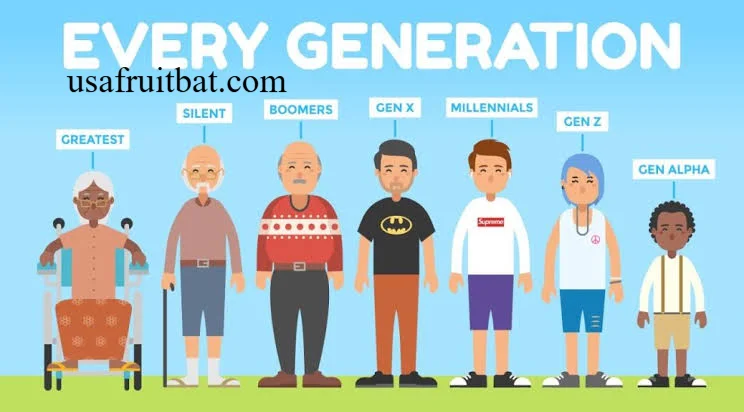
Understanding the silent generation years becomes easier when comparing them with other generations. Each generation grew up under different economic conditions, cultural expectations, and technological environments. These differences influenced communication styles, education, employment opportunities, family relationships, and attitudes toward social change.
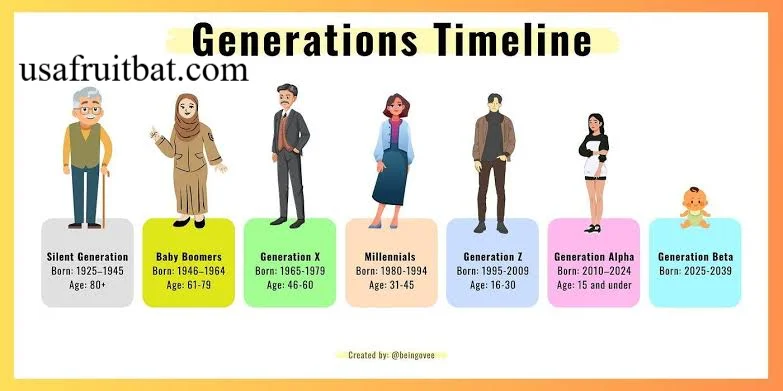
A generation years chart provides a convenient way to understand the general birth ranges and historical order of major generations.
Generation Years Chart
| Generation | Common Birth Years |
|---|---|
| Greatest Generation | 1901–1927 |
| Silent Generation | 1928–1945 |
| Baby Boomers | 1946–1964 |
| Generation X | 1965–1980 |
| Millennials | 1981–1996 |
| Generation Z | 1997–2012 |
| Generation Alpha | 2013–2024 |
Silent Generation vs. Greatest Generation
The Greatest Generation generally includes people born between 1901 and 1927, making it older than the Silent Generation. Many members of the Greatest Generation experienced the Great Depression as teenagers or adults and participated in World War II. In comparison, most Silent Generation members experienced these events during childhood.
Both generations are associated with traditional values, financial responsibility, and resilience. However, their experiences differed because they reached adulthood during different historical periods. These differences influenced their family responsibilities, professional opportunities, and perspectives on social development.
Silent Generation vs. Baby Boomers
Baby Boomers were generally born between 1946 and 1964, immediately following the Silent Generation. Unlike their predecessors, many Boomers grew up during a period of expanding economies, increasing consumer opportunities, and major cultural developments. Their childhood experiences were generally different from those of people who experienced the Great Depression and World War II firsthand.
The two generations also experienced different social environments. While many Silent Generation members valued traditional institutions and long-term stability, Baby Boomers experienced significant cultural changes during their youth. Nevertheless, both generations contributed to economic development, family life, and important social movements.
Silent Generation vs. Generation X and Millennials
Generation X generally includes people born between 1965 and 1980, while Millennials are commonly defined as those born between 1981 and 1996. These generations experienced a different technological environment, particularly as computers, digital communication, and the internet became increasingly important.
Compared with the Silent Generation, Generation X and Millennials generally experienced greater access to modern technology during their formative years. Their approaches to education, professional development, communication, and entertainment were influenced by rapidly changing digital environments. These differences illustrate how historical circumstances shape generational identities.
Famous People Who Belong to the Silent Generation
Several well-known individuals were born during the Silent Generation period and made important contributions to entertainment, politics, science, literature, and public life. Their achievements demonstrate the generation’s influence across different industries and cultural movements.
How the Silent Generation Influenced Modern Society
The Silent Generation contributed to modern society through professional achievements, community involvement, education, public service, and cultural development. Many members entered adulthood during the postwar period, when countries were rebuilding economies and expanding infrastructure. Their work helped strengthen institutions, businesses, educational systems, and local communities.
Their influence also extended into family life and social traditions. Many passed down practical knowledge, cultural values, and personal experiences to younger generations. Their stories provide important historical perspectives on economic hardship, international conflict, technological progress, and changing social expectations. Understanding their contributions helps explain how modern society developed over several decades.
Is the Silent Generation Still Alive Today?
Yes, many members of the Silent Generation are still alive in 2026. Since the commonly recognized birth range is 1928–1945, surviving members are approximately 81 to 98 years old. Their experiences represent a valuable connection to historical periods that younger generations know mainly through books, documentaries, photographs, and family stories.
Preserving their memories is important for families and historians. Conversations with older relatives can reveal personal experiences of childhood, education, employment, family traditions, and major historical events. Photographs, letters, diaries, and recorded interviews can also help preserve their stories. These personal records provide meaningful connections between generations and ensure that important experiences are not lost.
Why Understanding Silent Generation Years Matters
Learning about the silent generation years provides a clearer understanding of how historical events influence people born during different periods. Birth-year classifications help researchers identify shared experiences, compare cultural changes, and study differences in attitudes toward work, family, technology, and society. They also provide a useful framework for exploring demographic trends.
Generational knowledge can be valuable in family history research, education, and everyday conversations. Understanding the experiences of older relatives may help younger family members appreciate different perspectives and traditions. Rather than viewing generations as completely separate groups, it is useful to recognize how their experiences connect and influence one another.
Conclusion
The Silent Generation, commonly defined as people born between 1928 and 1945, experienced some of the most significant historical events of the 20th century. The Great Depression, World War II, the Cold War, and postwar recovery influenced their childhood, values, and approach to everyday life. These experiences helped shape a generation commonly associated with hard work, financial responsibility, discipline, and commitment.
Understanding the silent generation years also makes it easier to compare this group with the Greatest Generation, Baby Boomers, Generation X, Millennials, and Generation Alpha. Although generational characteristics cannot describe every individual, they offer valuable insights into historical and cultural development. Preserving
Frequently Asked Questions (FAQs)
What years are considered the Silent Generation?
The Silent Generation is commonly defined as people born between 1928 and 1945. Some sources use slightly different birth-year ranges depending on their demographic classifications.
Why is it called the Silent Generation?
The name reflects the generation’s reputation for being reserved and following traditional social expectations. It became associated with people who grew up during the Great Depression and World War II.
How old is the Silent Generation in 2026?
Members of the Silent Generation are approximately 81 to 98 years old in 2026, depending on their birth dates and whether they have celebrated their birthdays.
What generation comes after the Silent Generation?
The Baby Boomer Generation comes after the Silent Generation. Baby Boomers are commonly defined as people born between 1946 and 1964.
What generation comes after the Silent Generation?
The Baby Boomer Generation comes after the Silent Generation. Baby Boomers are commonly defined as people born between 1946 and 1964.
What are the main characteristics of the Silent Generation?
Commonly associated characteristics include hard work, discipline, patience, loyalty, financial responsibility, respect for tradition, and a preference for stability.
What major historical events shaped the Silent Generation?
The Great Depression, World War II, postwar recovery, the Korean War, the Cold War, and the Civil Rights Movement influenced the generation’s experiences and historical identity.
Is the Silent Generation older than Baby Boomers?
Yes. The Silent Generation was born between 1928 and 1945, while Baby Boomers were born between 1946 and 1964. Therefore, the Silent Generation is older.